.webp)


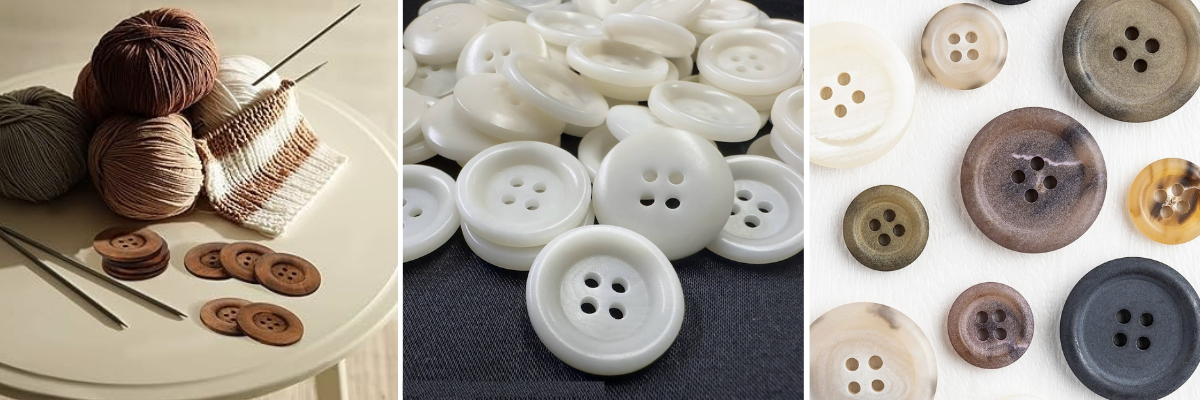
Custom button materials will be an important and decisive factor in shaping the global fashion trends from 2025 to 2030 and in the upcoming decades. The fashion industry is moving forward to sustainability, personalization, and responsible production, which is why the button and other small components of the garments will gain strategic importance in the future.
The value of fashion is not only in the appearance but also in the production. Now, consumers care about the ways the products are made, the materials used, and the overall impact of their choices on the planet. Sustainable buttons, once treated as minor accessories, are now part of this conversation.
Brands are realizing that careful material selections, apart from the durability aspect, can also increase the value of the garment and convey the brand’s concern for the environment. Over the next five years, custom button selection will influence both design direction and buying decisions.
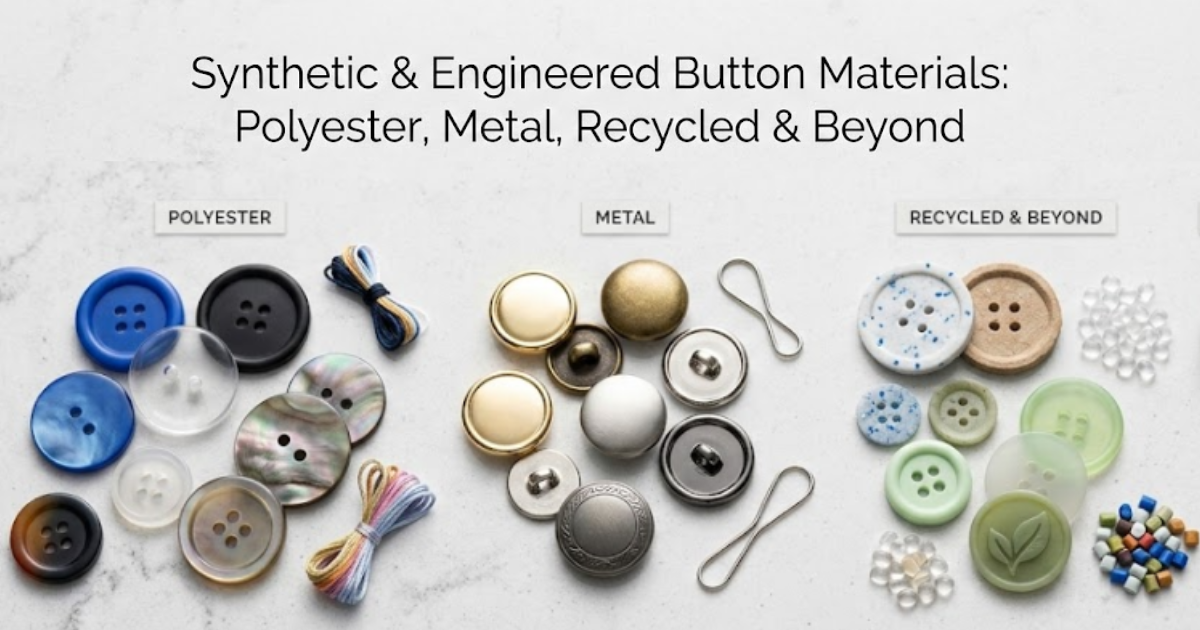
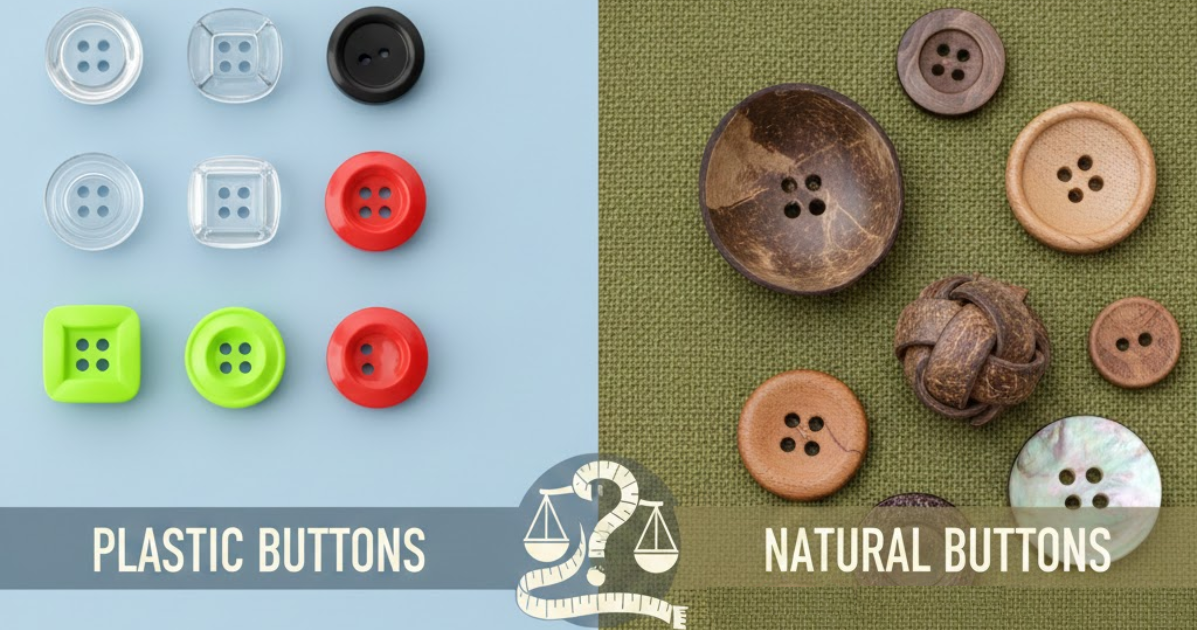
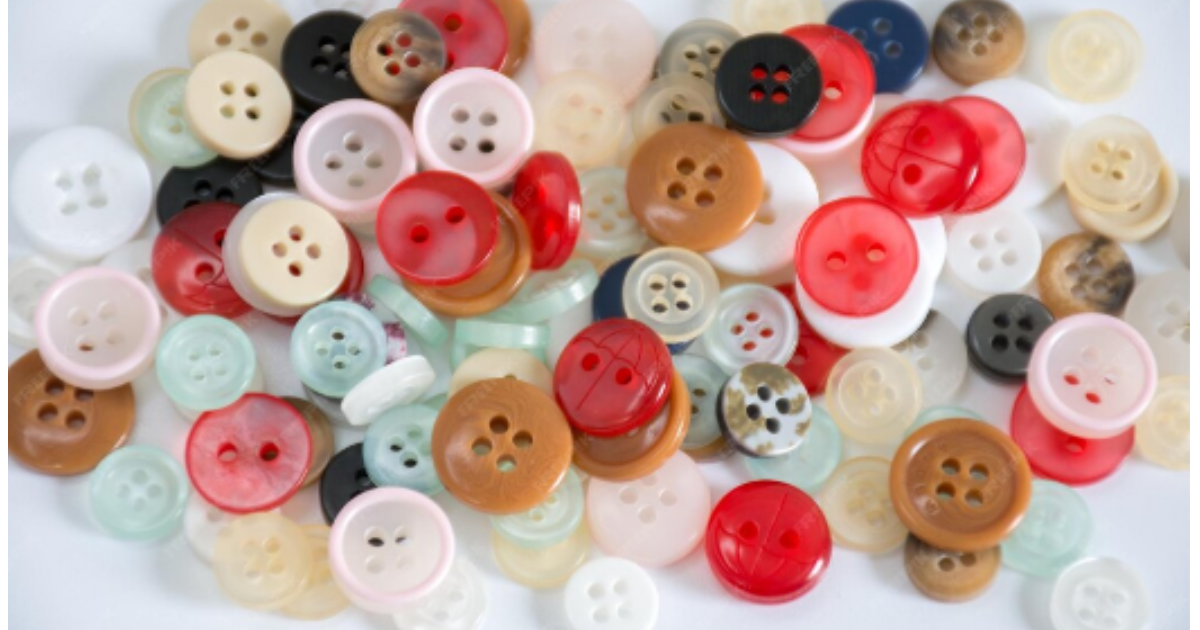
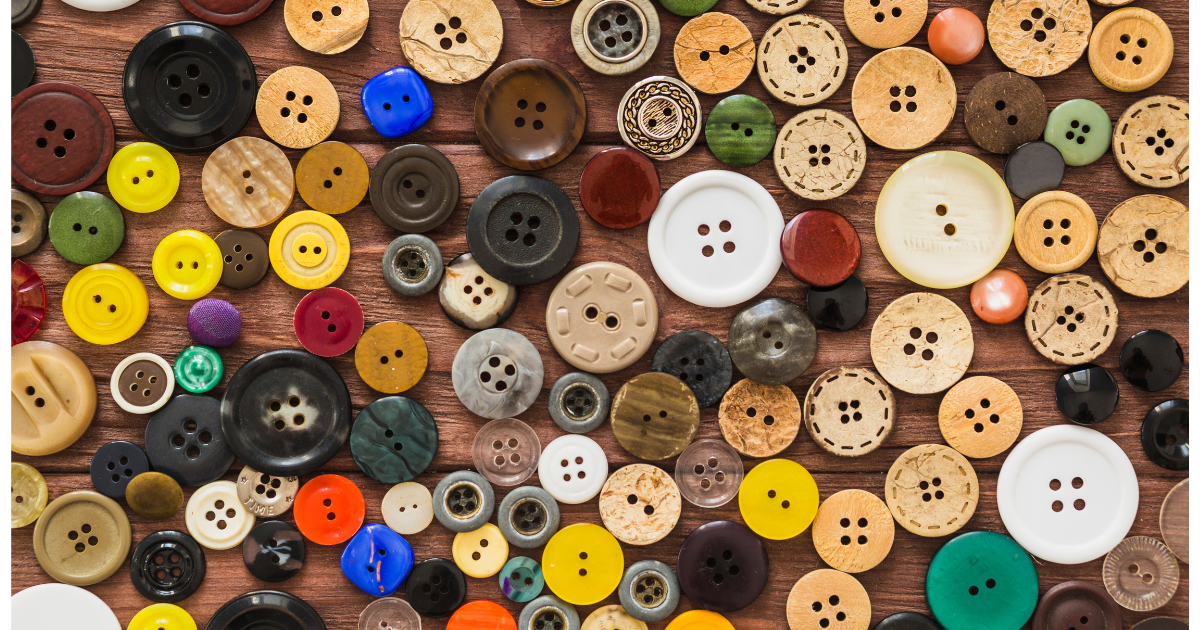
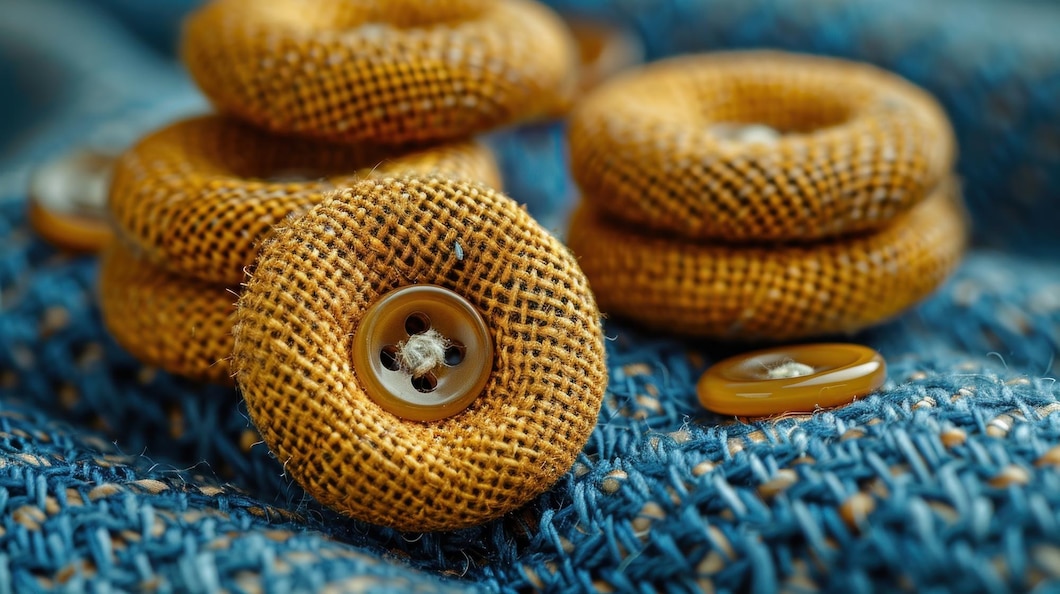
From 2025 onward, designers will start with materials first, and only then will come to silhouettes. Fashion trends in button materials such as ultra-light metals, bio-based plastics, and natural composites are allowing such creative freedom that they are not compromising the strength or the surface quality.
These innovations support modern fashion needs:
As materials evolve, buttons will no longer be mere functional elements that are hidden, but will be a part of the intention behind the designer's features.
In an overcrowded fashion market, small details make a big difference. Custom button design is becoming a powerful tool for brands to express identity and stand out.
Custom buttons help brands:
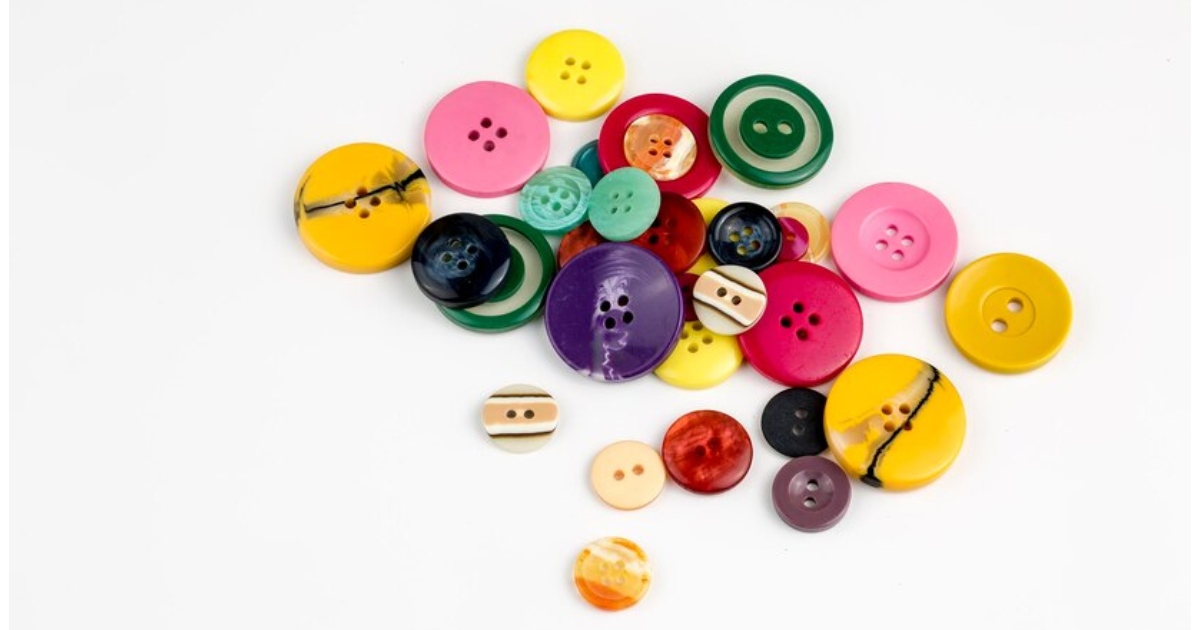
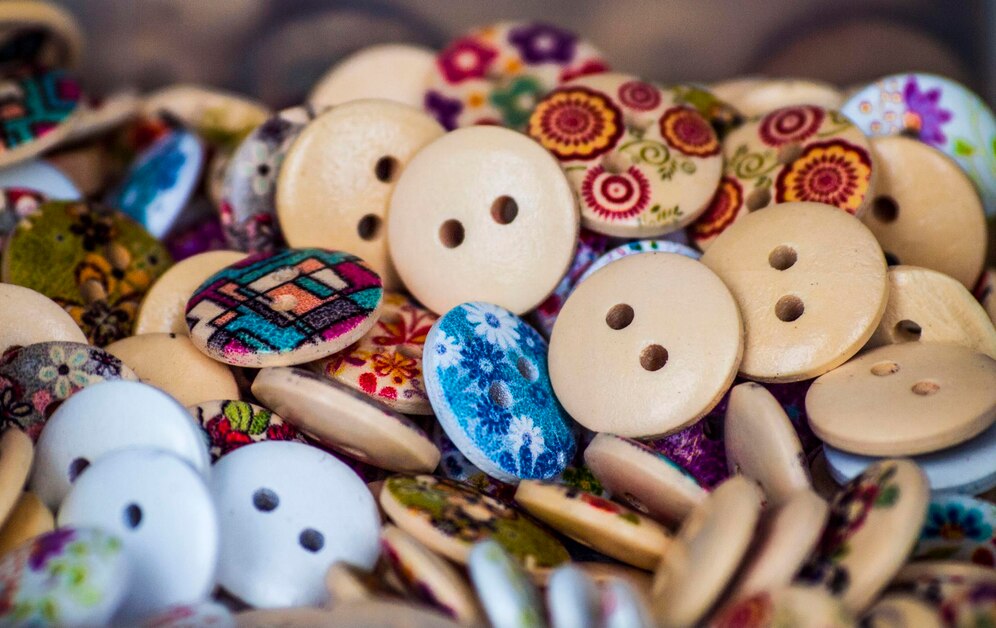
Customized button materials range from logo engraving to exclusive finishing of the material, and they are not only just an accessory but also the distinctive feature of the brand.
The whole transformation of sustainable button materials is directly connected to global button industry trends. The worldwide market for buttons is gradually shifting towards transparency, sustainability, and eco-friendly sourcing.
Between 2025 and 2030, brands will prioritize suppliers who can provide the following:
These customer demands affect the whole accessory development and sourcing process across the global fashion hubs.
Over the years, modern indian button manufacturers have changed their role from being just suppliers to becoming development partners who support the brands all through the different stages of production.
Leading manufacturers are investing in these areas:
This collaboration helps fashion brands reduce development time while also ensuring consistent quality and compliance.
The entire industry will find sustainability a basic requirement rather than a competitive edge. All the firms that are keeping up with the global markets would have to use eco-friendly buttons as their minimum expectation.
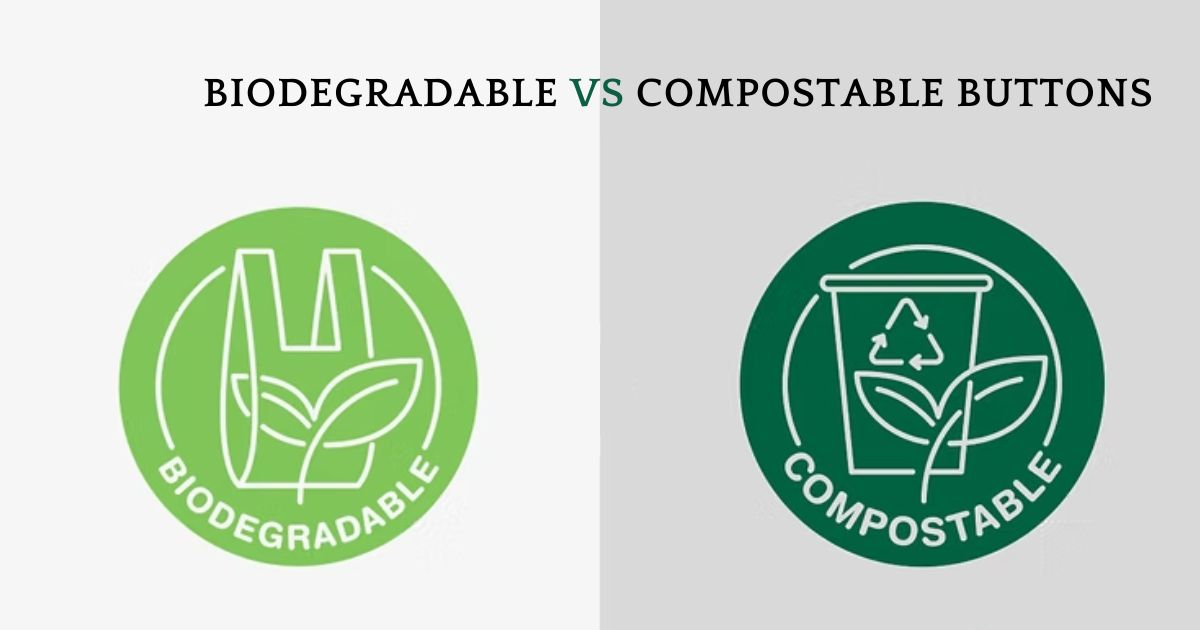
Buttons made with low-impact processes, biodegradable inputs, or responsibly sourced materials help brands meet their sustainability goals while maintaining design quality. These options are also highly appealing to environmentally conscious consumers.
One of the fastest-growing areas will be using the recycled button materials in the fashion industry. The usage of the post-industrial waste and the reclaimed resources will not only lower the dependency on the virgin materials but also reduce the overall environmental impact.
Key benefits are:
As the recycling technologies improve, the plastic materials made from the recycled resources will be able to compete with the traditional ones in terms of durability and finishing.
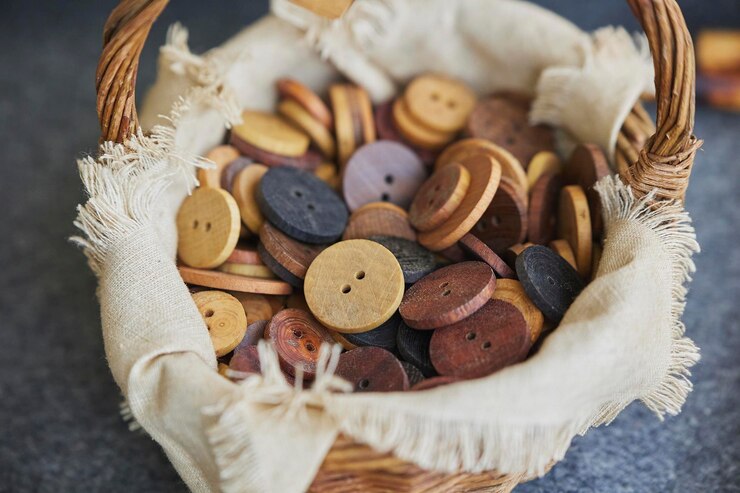
The usability of the sustainable buttons will not only spread to the ethics but also push the aesthetics by the late 2020s. Designers will adopt the natural textures, muted finishes, and organic variations as the main characteristics of their garment creations.
This aligns with the broader movement toward slow fashion, durability, and emotional connection with clothing movements. Buttons will reflect the reality instead of the uniform perfection.
To remain competitive from 2025 to 2030, fashion brands should:
Brands that rethink the small details will reap significant rewards
The custom button materials will have a strong impact on how the fashion will evolve between the years 2025 and 2030, and thus, the sustainability, branding, and consumer confidence will be shaped. By working with experienced suppliers such as Chetna International, brands can adopt smarter material strategies and be one step ahead of the industry change. Discover innovative button solutions now and create the future-ready collections.


.svg)


.svg)

.jpg)




.jpg)

%20(1).jpg)

.jpg)




.jpg)


.jpg)


.jpg)
.jpg)


.jpg)

.jpg)


