Plastic vs. Natural Buttons: A Complete Comparison for Designers
Jai Raj Sikka
December 10, 2025
For designers, choosing between plastic and natural buttons defines not only the appearance and feel of the garment but also enhances environmental impact in a good way. Let's explore how both options offer cost, sustainability, durability, and style, which are helpful for an informed decision for your next project.
Why Button Material Matters for Designers
Buttons always matter more than just closure because they are an essential part of your garment in terms of aesthetics, user experience, and sustainability.
The choice of button material reflects the value of the brand indirectly. Also, the materials matter most in the case of affordability, ease of production, sustainability, and luxurious design.
As eco-friendly buttons are gaining more importance in the fashion industry, responsible designing and manufacturing matter more than ever.
Comparing Plastic Buttons and Natural Buttons
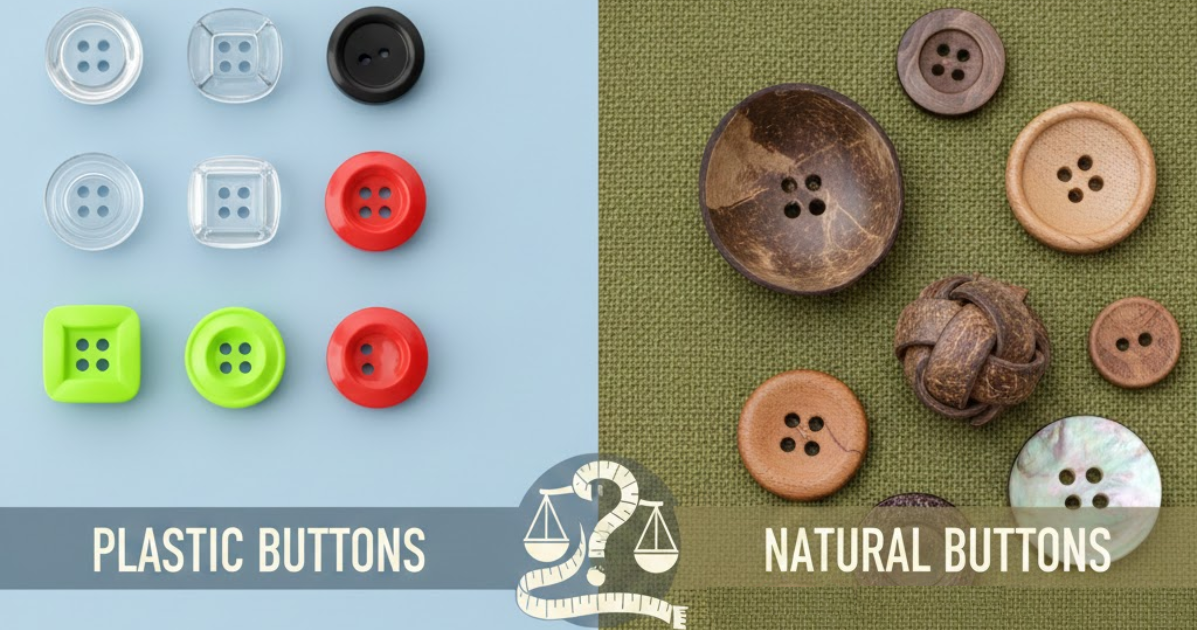
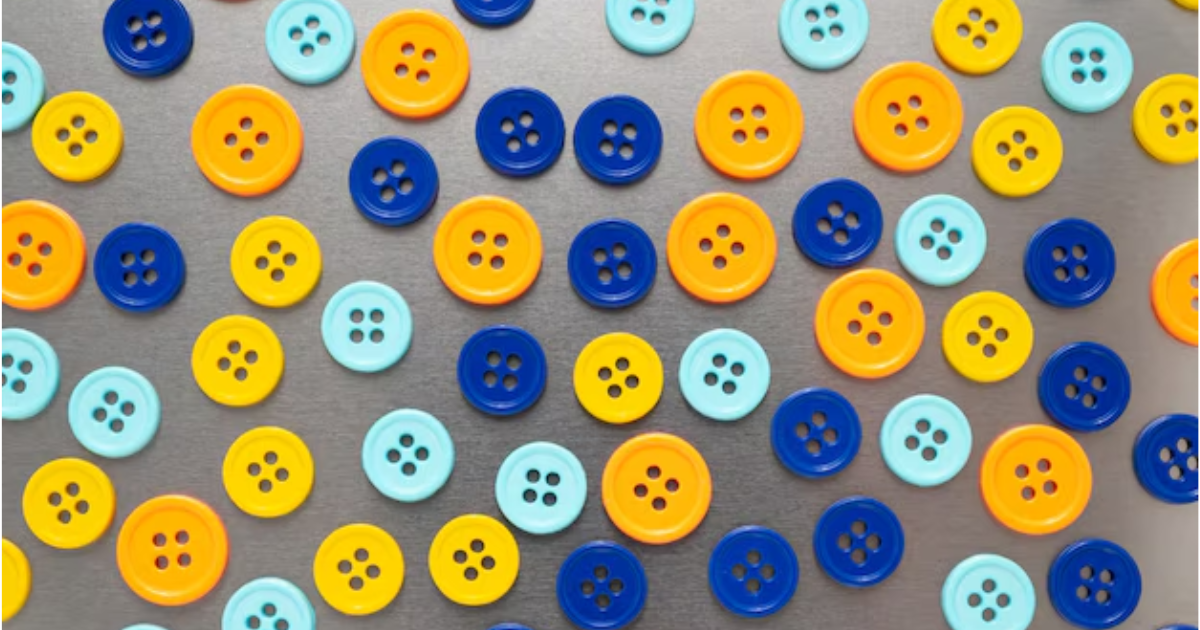
Plastic Buttons
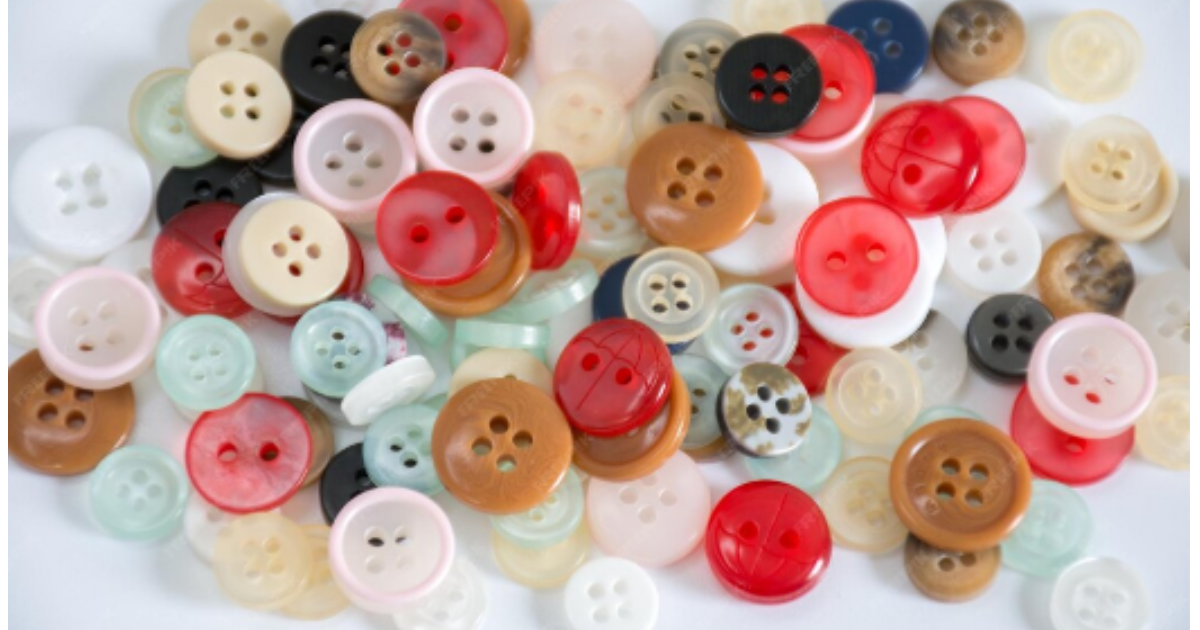
Plastic buttons are most popular and easily available for the garment industry, but they have their own pros and cons, which impact their use and market value.
Pros
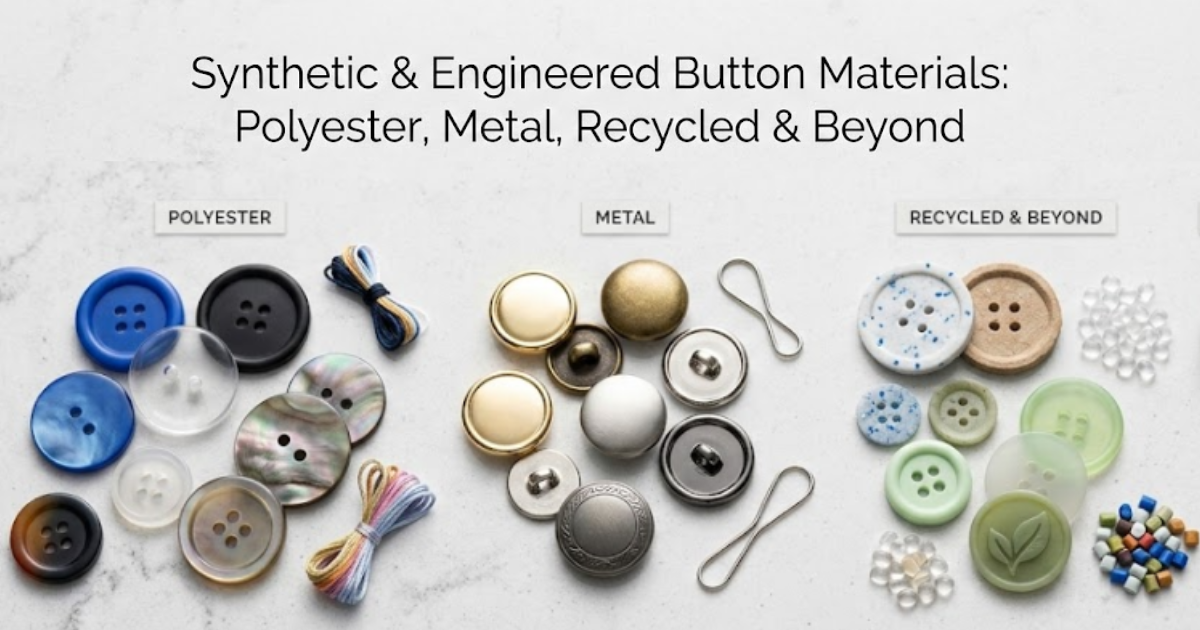
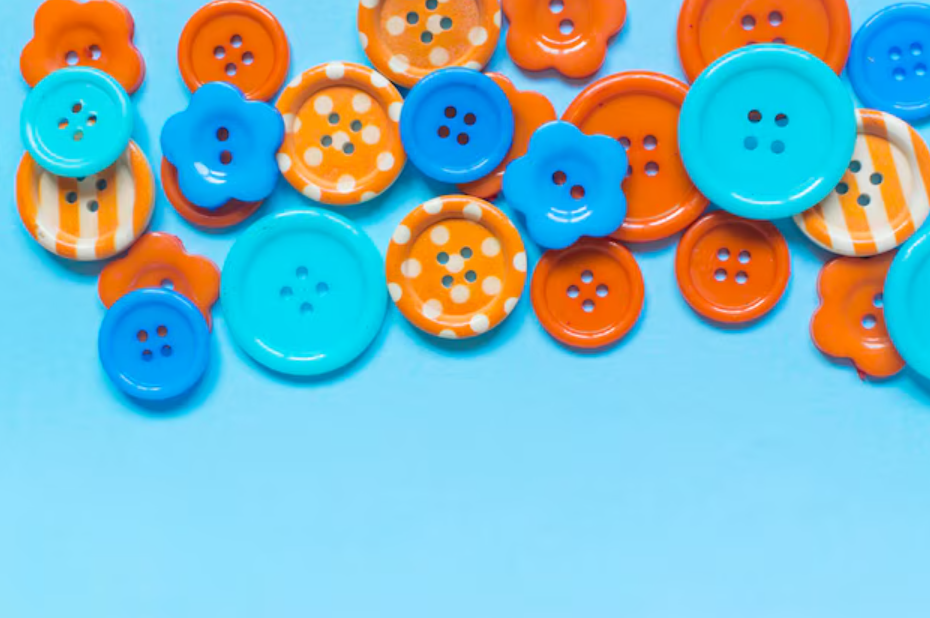
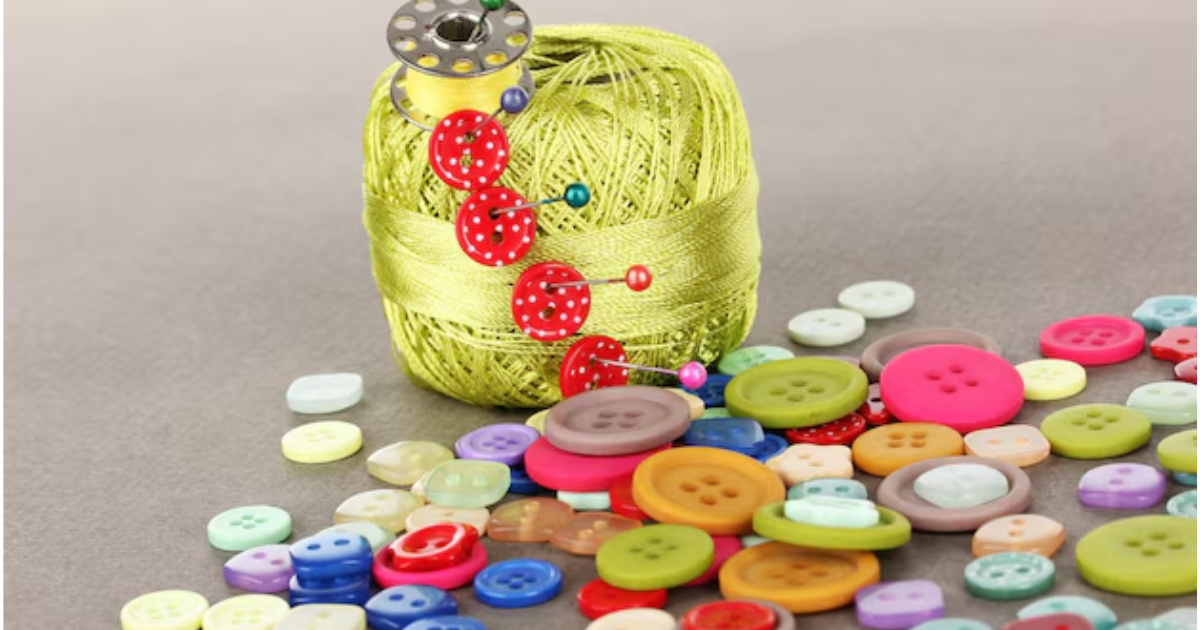
Cost-effective and versatile: Plastic buttons that are made from polyester, nylon, ABS, casein, etc. are easy for mass production and customization into various sizes, shapes, colors, and textures.
Durable and low maintenance: Small, resistant to various chemicals and solvents, and can handle regular washing without any special care.
Consistent appearance: A uniform finish makes them predictable and reliable for large production runs and budget-conscious garments.
Cons
Environmental issue: Traditional plastic buttons are made from petroleum and are non-biodegradable. They are the ones that pollute the world with microplastics and contribute to waste in landfills.
Cheaper feeling: Even if plastic buttons are produced under good quality control, they still cannot provide the organic textures and characters of natural materials.
Limited story value: Plastic buttons are often incapable of conveying the message of a brand when it is about
Limited story value: Plastic buttons are often incapable of conveying the message of a brand when it is about sustainable, natural, or luxury aesthetics.
Natural Buttons
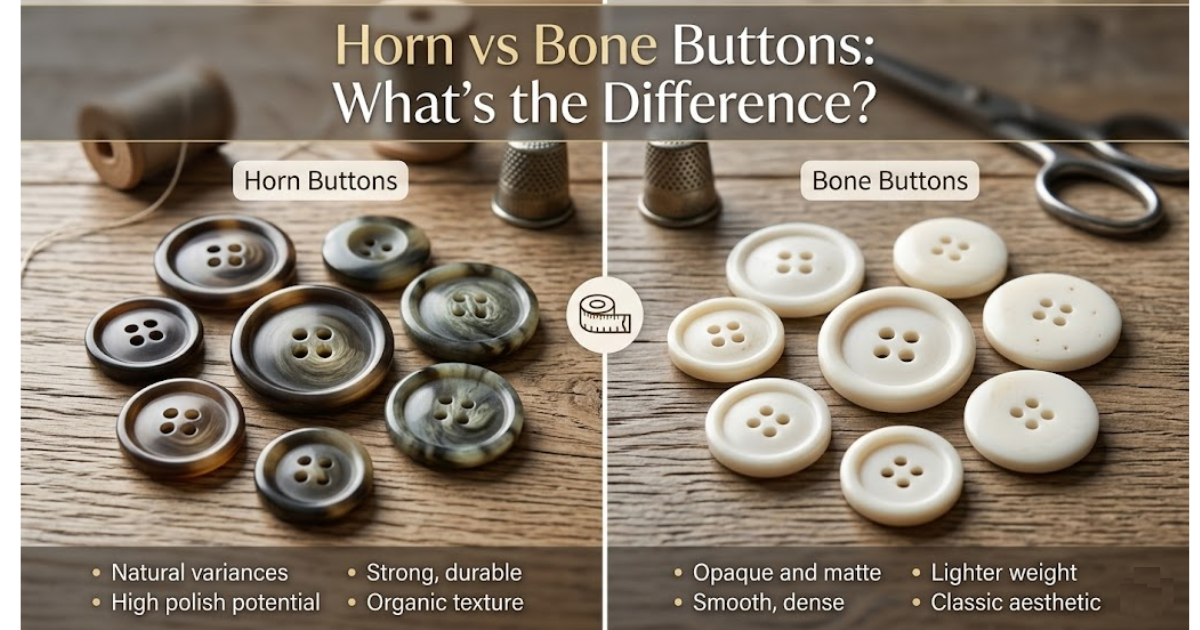
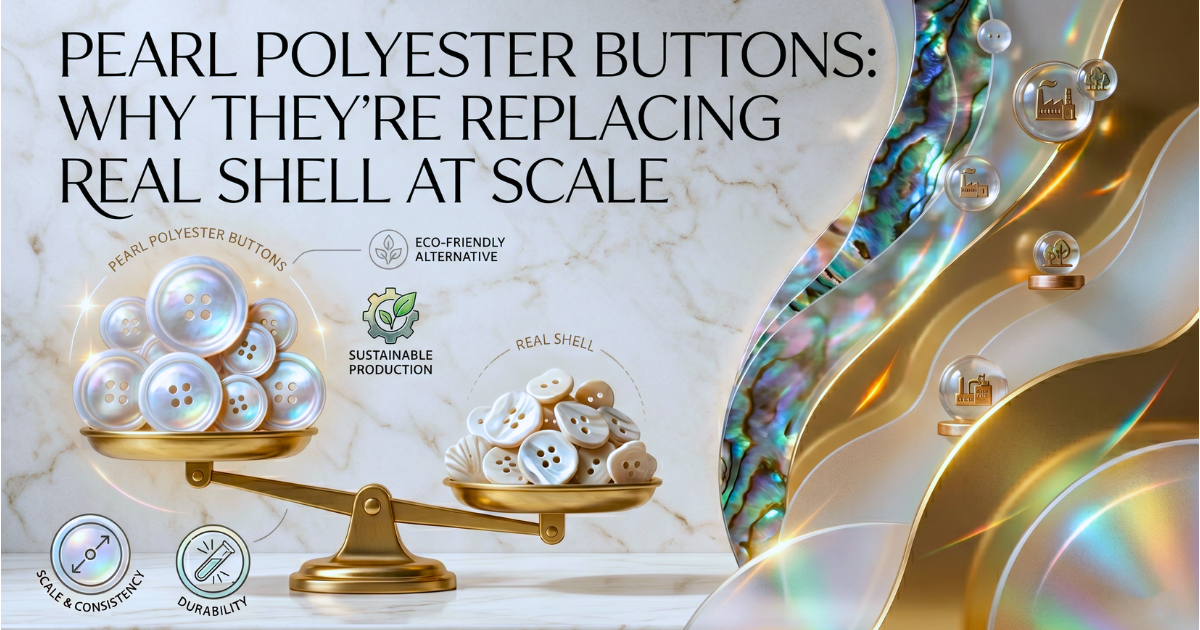
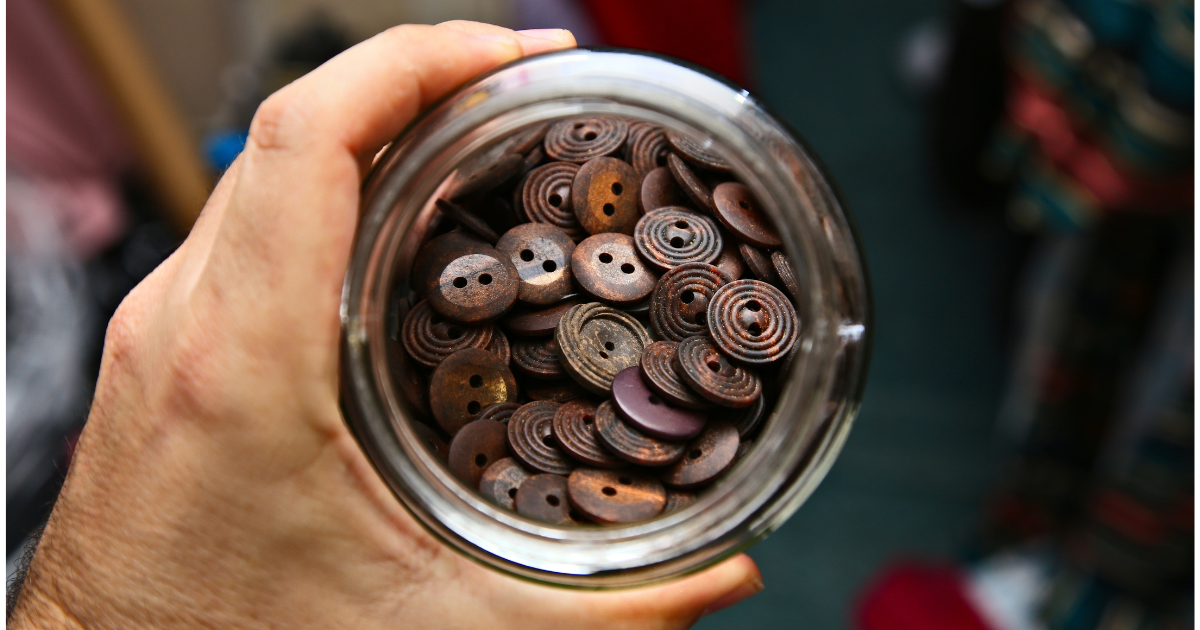
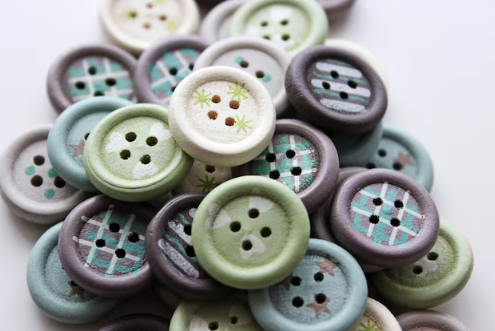
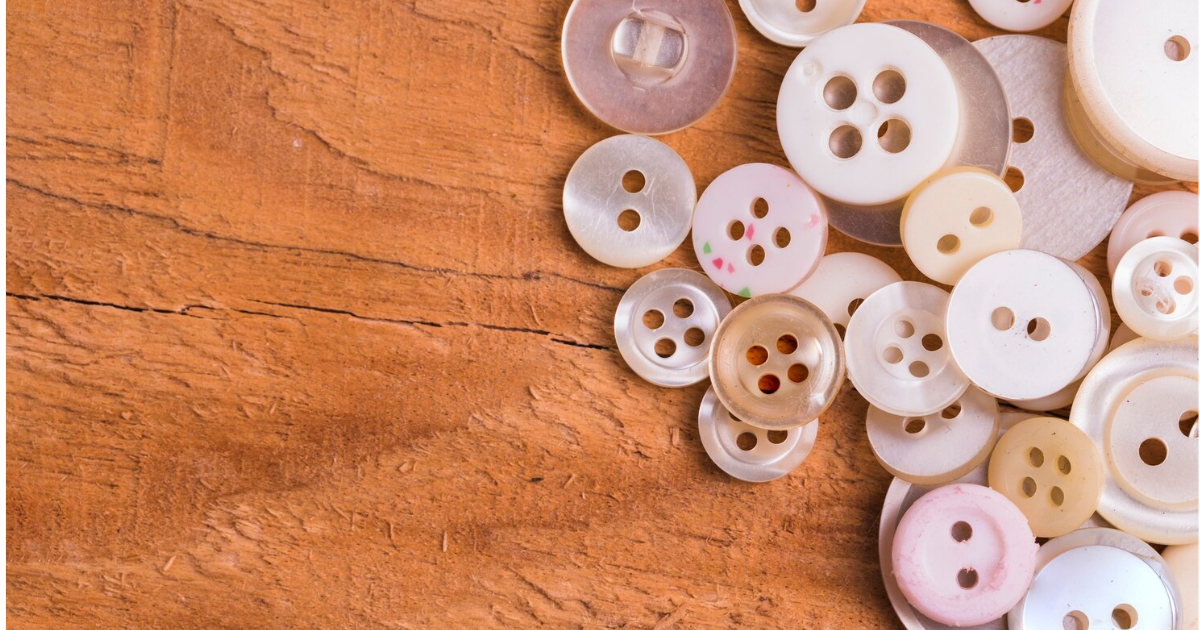
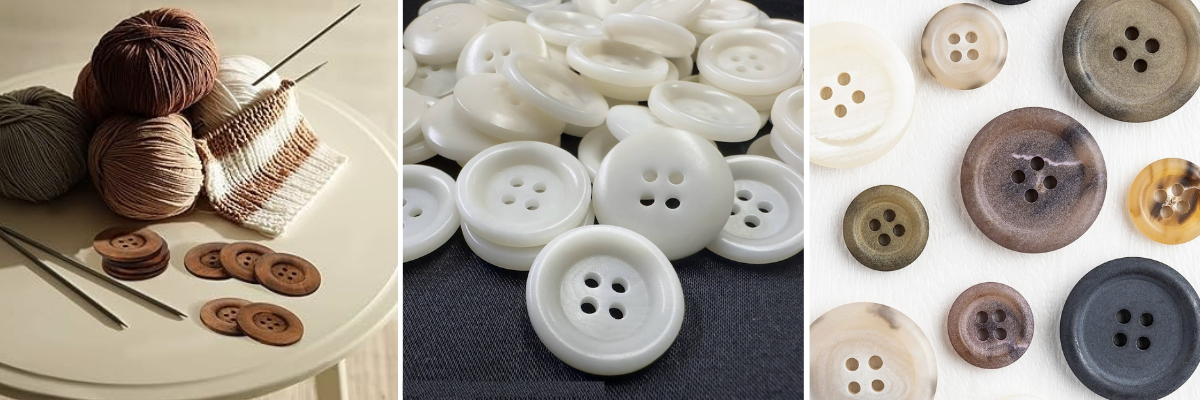
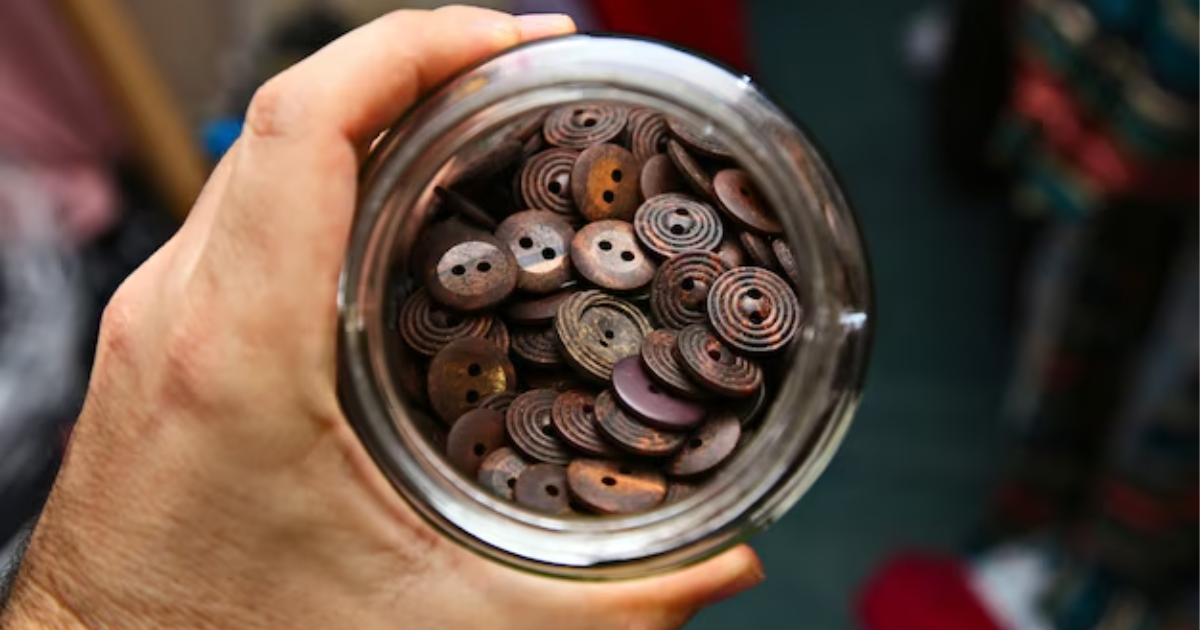
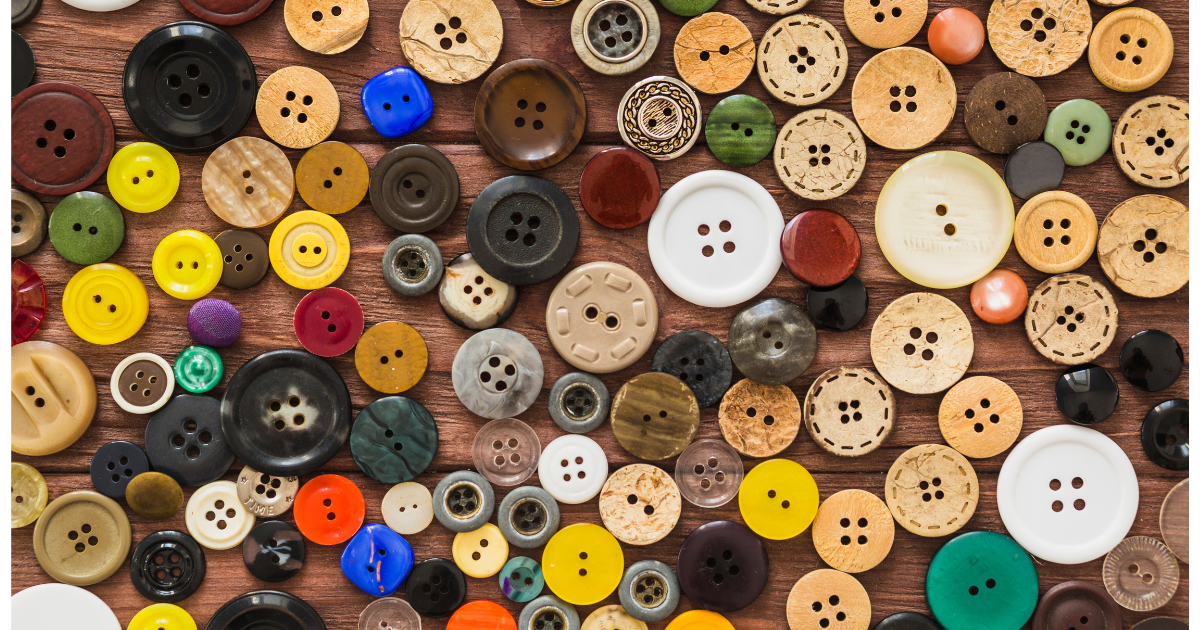
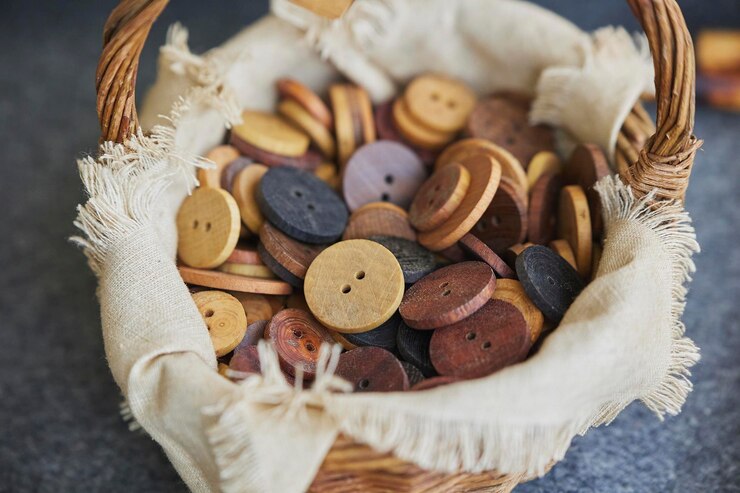
Natural buttons are made from materials such as shell, wood, horn, coconut shell (or nuts like Tagua), and plant-based resins such as those derived from milk protein (e.g., casein). Also, natural buttons are the preferred choice in this demanding era of eco-friendliness.
Pros
Unique aesthetics and textures: Every natural button is not only different but also adds a premium feel to garments due to wood grain, shell iridescence, or nutshell patterns.
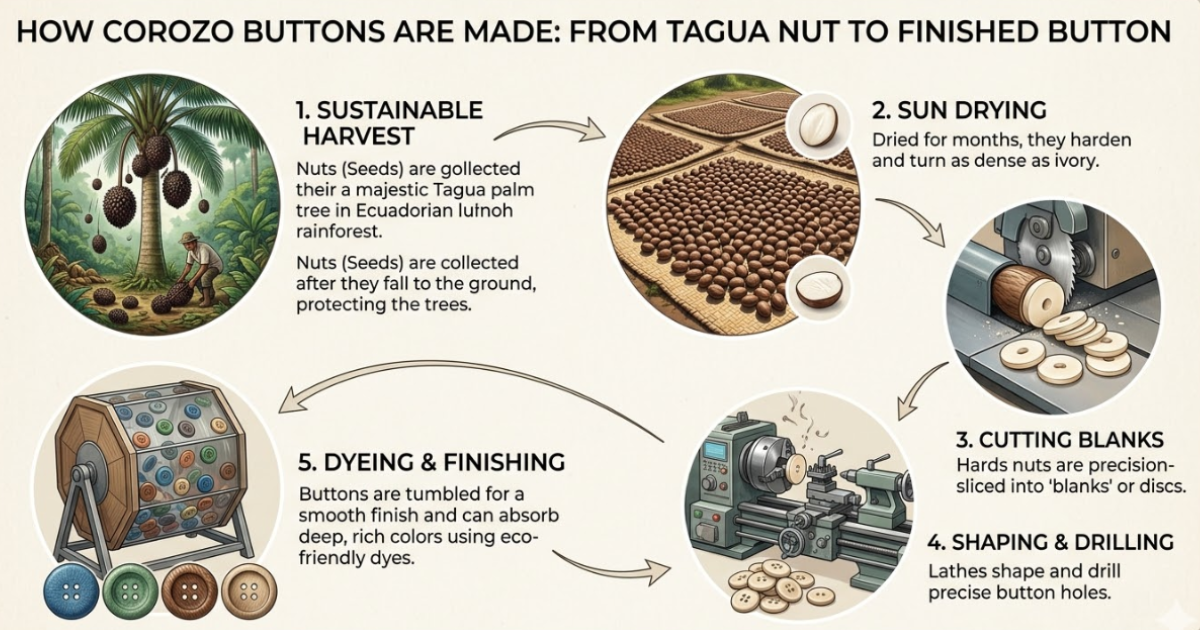
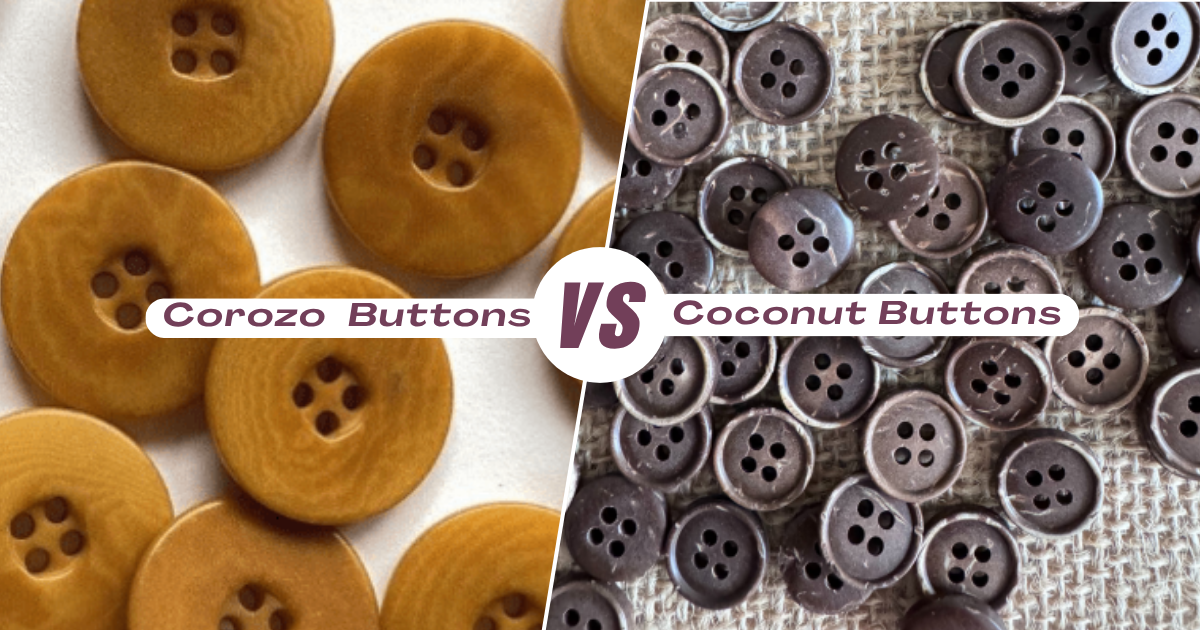
Eco-conscious and sustainable: Natural buttons often qualify as biodegradable buttons. Wood, coconut shell or "vegetable ivory" (Tagua/Corozo) are all renewable resources that decay naturally, thus reducing the environmental impact.
Growing consumer appeal: With sustainability being a key value, natural buttons will be a great help for brands to meet consumer expectations and the trend of ethical fashions.
Cons
Higher cost: The process of sourcing and processing natural materials is more expensive than molding the plastic. Also, it becomes commercially unviable, especially for large-scale budget-centric production.
Variable durability and care: Natural materials such as shell and wood might be brittle, sensitive to moisture or heat, and require periodic washing or gentle care. Also, the quality might fluctuate depending on the type of wood or the grading of the shell.
Less uniformity: The beauty of natural variation can sometimes be a drawback when dealing with the need for a consistent appearance in a large production batch.
Sustainable fashion lines or eco-brand collections
Natural/biodegradable buttons, buttons from recycled materials
Highlight the commitment of brand to sustainability and appeal to conscious consumers
Mixed production, including functional and aesthetic pieces
Combine both: plastic for inside seams/functional buttons and natural for visible/top buttons
Make a balance between cost, durability, and visual appeal
What Designers Should Consider: A Quick Checklist
Garment purpose and audience—everyday wear vs luxury apparel.
Fabric compatibility and maintenance—light fabrics may suit plastic or shell buttons, whereas heavy garments may require sturdy natural buttons.
Sustainability goals—if your brand tends to be eco-friendly, then biodegradable buttons or natural materials are to be your priority.
Production volume and budget constraints—plastic is the material for the large volume and cost-sensitive runs, but natural buttons are for the premium or limited collections.
Care requirements and lifecycle—will the garment be washed frequently? Is longevity important? Natural buttons may require gentle care.
The Changing Landscape of Button Manufacturing and Supply
The global demand for eco-friendly buttons is rapidly increasing. Manufacturers of these types of buttons from india are responding to this transformation. In fact, many producers increased their production capacity to include wood, coconut shell, Corozo, and other types of natural materials.
Some manufacturers are using solar-powered machinery and eco-friendly dyeing to reduce the environmental impact. Quality control, compliance and certifications (like OEKO-TEX and REACH) are increasing very fast to ensure safety, non-toxicity, and compliance with global standards. This is very important when sourcing buttons for international markets.
How a Button Manufacturer Can Add Value for Designers
Choosing the right button manufactureris crucial because the right manufacturer knows how to apply sustainable methods, material sourcing, and design requirements, which brings:
A variety of materials (plastic, recycled plastic, natural—wood, shell, corozo)
Compliance with chemical and environmental standards
Ability to scale production based on order volume
Final Thoughts
Designers who want to develop sustainable and beautiful products have to work with a trusted button manufacturer. If you are in search of a trusted manufacturer and reliable supplier, Chetna International is here for you. We offer a wide range of buttons, from plastic to natural and biodegradable, that are customized according to your design requirements.
.webp)




.svg)


.svg)

.jpg)




.jpg)

%20(1).jpg)

.jpg)




.jpg)


.jpg)


.jpg)
.jpg)


.jpg)

.jpg)


