.webp)


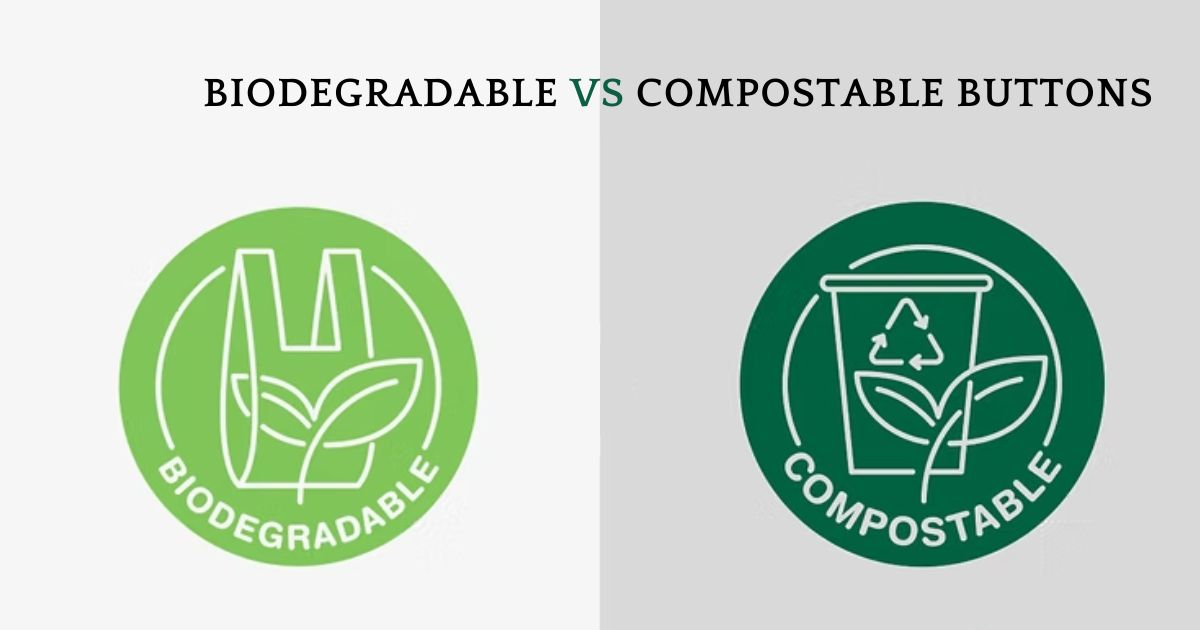
Present eco-friendly fashion development leads to environmentally sustainable practices that drive new advancements in the fashion industry. The fashion industry needs to understand the essential differences between biodegradable and compostable materials, as brands are adopting environmentally sustainable options for their jeans button and fashion accessory production operations.
This blog will examine the main differences that exist between biodegradable and compostable buttons because we will study the materials that button manufacturers use and their environmental effects.
People use the terms "biodegradable" and "compostable" as synonyms, but these two words possess meanings and implications that affect button manufacturing.
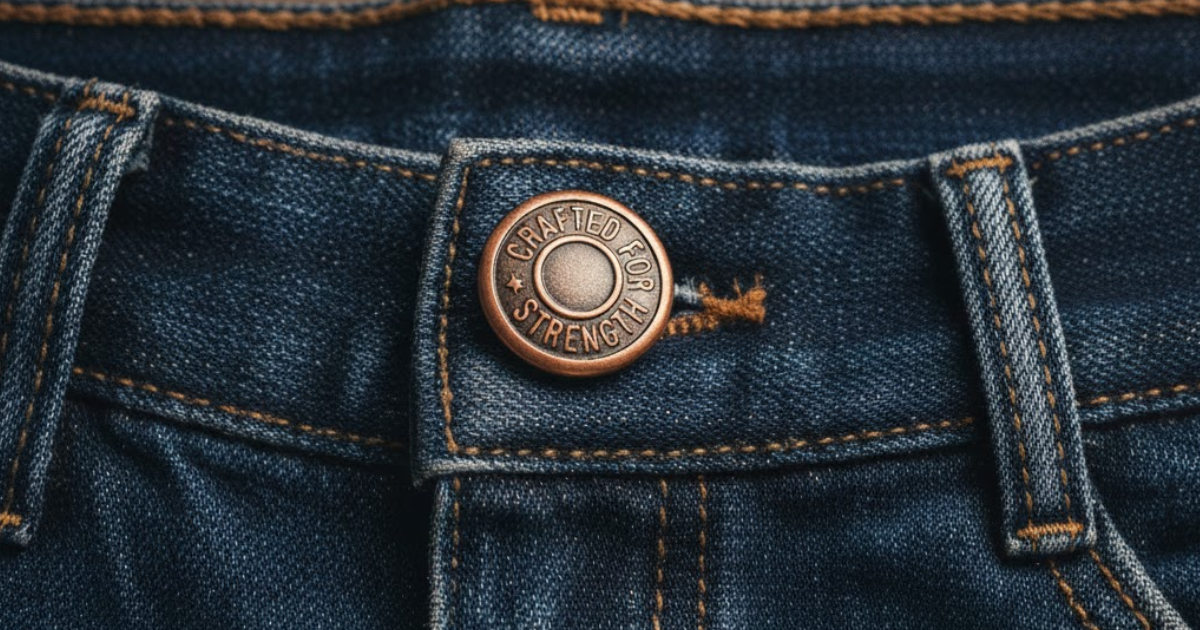
The denim jeans button market demonstrates increasing consumer awareness, which connects their purchasing decisions to environmental outcomes. Fashion designers historically used plastic materials like polyester to create buttons for their designs, which included denim. The buttons take multiple decades to degrade, which results in landfill pollution and microplastic contamination.
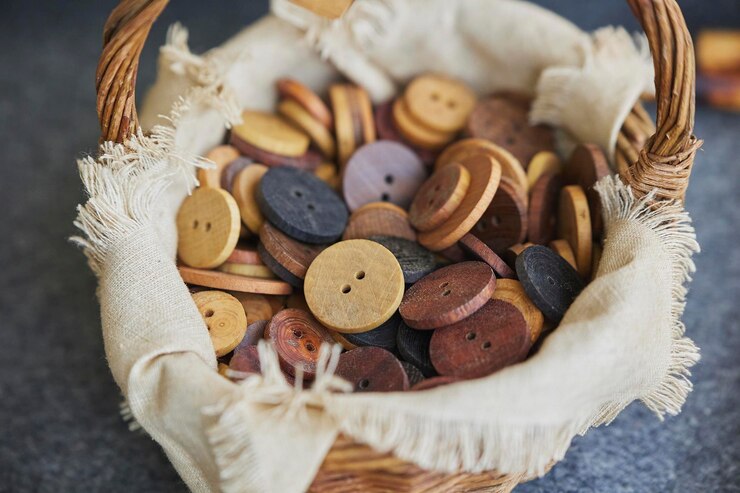
Currently, multiple companies are adopting natural materials, which include compostable buttons that use plant-based materials such as cornstarch and sugarcane, and plant pulp. The natural buttons decompose into safe forms within a short time frame, while their plastic counterparts remain in existence. The industrial composting process transforms buttons that use plant pulp into compostable materials, which create beneficial components that enhance soil quality.
Using compostable buttons as a replacement for traditional jeans buttons supports sustainability goals while enabling fashion brands to reduce their environmental impacts. The demand for compostable and biodegradable products has increased because consumers now require businesses to provide them with clear information about their environmental practices and sustainable products.
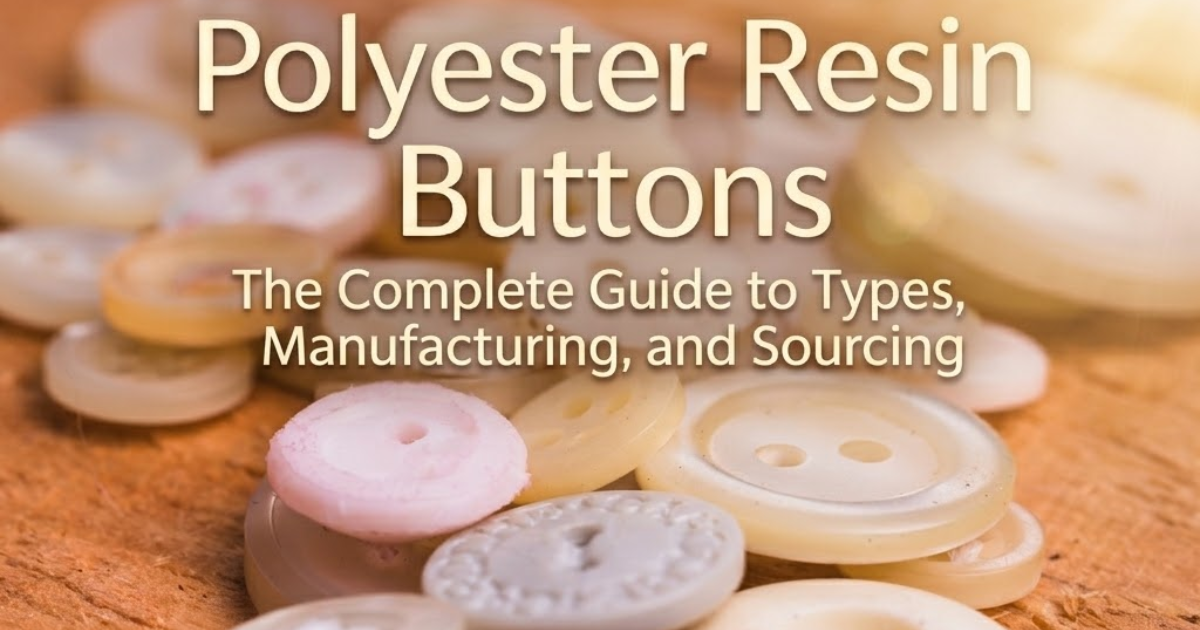
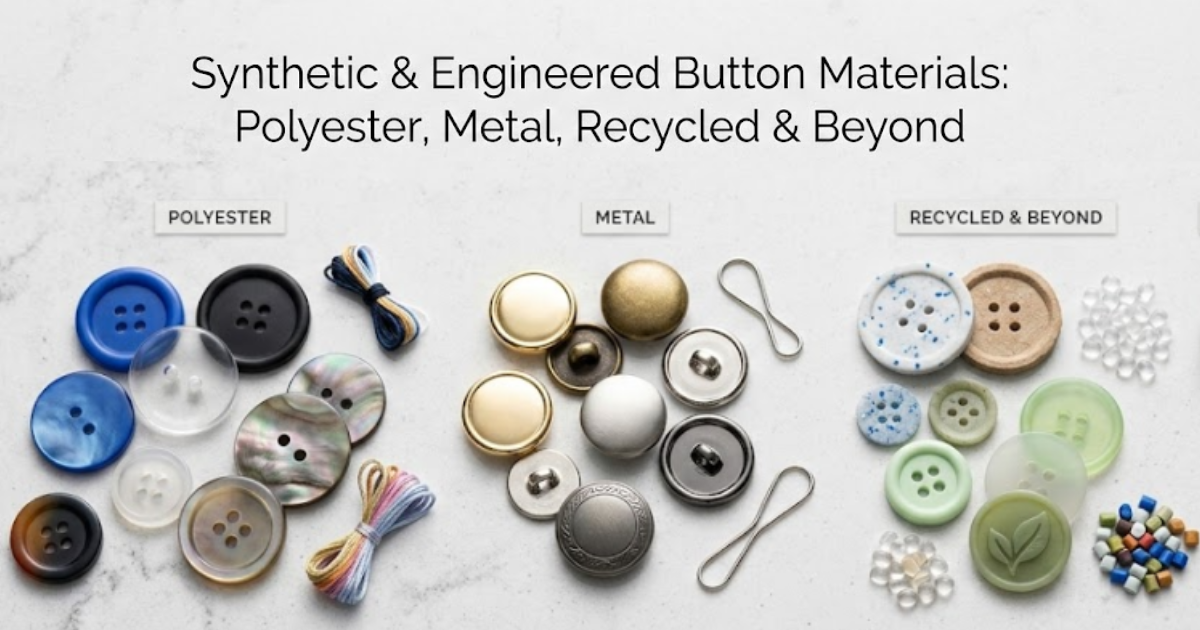
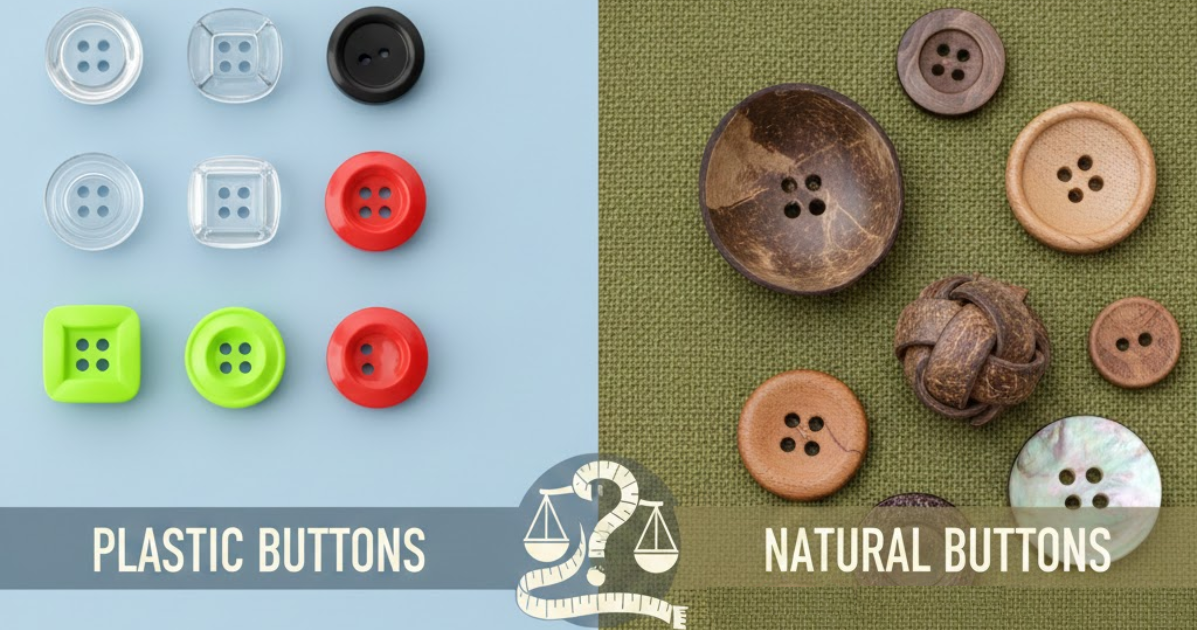
While polyester buttons have been a go-to option in the fashion industry for years, these synthetic materials are not biodegradable or compostable. Polyester is made from petroleum-based plastic, and like all plastic products, it takes centuries to break down. In the process, polyester buttons can release harmful chemicals and microplastics into the environment.
When compared to natural buttons, polyester options present significant environmental challenges. Plastic vs. natural buttons is an ongoing debate in the sustainable fashion industry, with a clear preference emerging for natural materials that provide better end-of-life outcomes, such as complete decomposition without harmful byproducts.
The fashion industry needs to stop using plastic materials and switch to compostable or biodegradable buttons, which help companies achieve their sustainability goals. Chetna International provides sustainable solutions through our eco-friendly products, which need proper conditions to achieve complete decomposition and create less environmental harm during clothing manufacturing.
The process of using biodegradable jeans buttons or compostable buttons requires quality control to confirm that the buttons achieve their sustainability requirements. To receive the compostable label, a product needs to complete strict testing that confirms its material will decompose within 180 days without creating hazardous waste.
Chetna International follows these rigorous standards to ensure our buttons, including compostable products, achieve top quality control standards. We use sustainable materials that provide high durability and show clear methods for safe disposal, which makes them perfect for environmentally friendly fashion businesses.
Biodegradable buttons serve as a substitute for standard plastic buttons, but they have specific restrictions. Compostable buttons can decompose into natural materials, but their breakdown process does not match the speed or safety of other compostable buttons. Biodegradable buttons release dangerous residues through microplastics, which lead to persistent ecological destruction.
Compostable buttons have been developed to decompose in an environmentally beneficial process, which transforms them into compost that contains no toxic substances or chemical byproducts. The more eco-friendly solution for businesses that want to adopt sustainable practices consists of compostable buttons, which provide better value than their biodegradable alternatives.
People need to understand the difference in terminology between biodegradable and compostable buttons because it shows them how to make responsible environmental decisions. The natural material compostable buttons provide better environmental performance because they decompose faster than other materials and pose no environmental hazards. The sustainable fashion industry recognizes biodegradable products as valid options; however, organizations should choose compostable products instead.
Chetna International specializes in supplying sustainable, high-quality buttons that our customers can use to create different fashion products that range from jeans to various apparel embellishments. We include strict measures of quality control in button manufacturing, which ensure that every button we create achieves exceptional standards in sustainability, durability, and design.


.svg)


.svg)


.jpg)




.jpg)

%20(1).jpg)

.jpg)




.jpg)


.jpg)


.jpg)
.jpg)


.jpg)

.jpg)


