.webp)


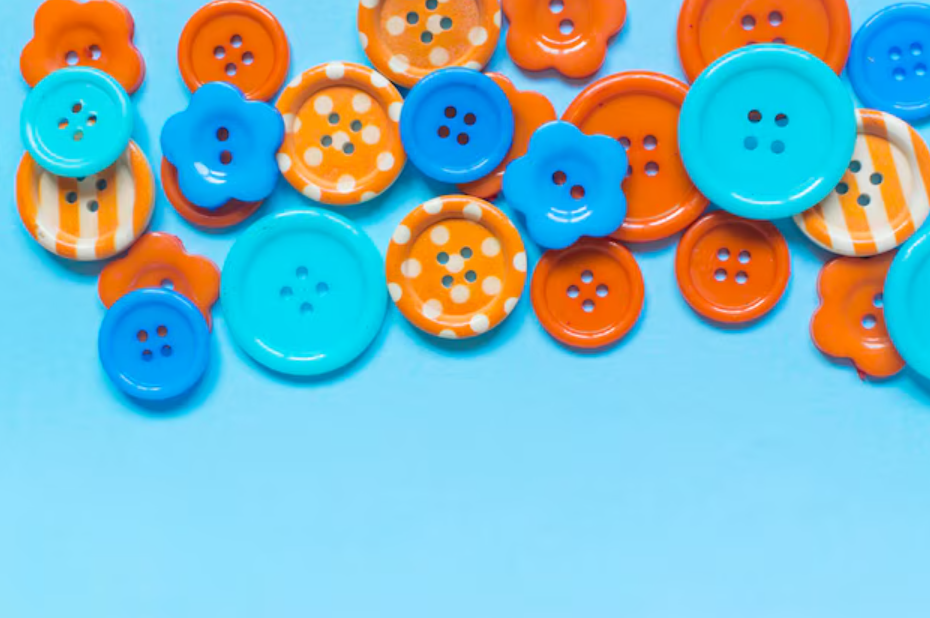
Buttons are not only an aesthetic element but also a representative of design details in infant and toddler clothing because they function as a vital safety measure. The smallest fastener can create big risks through choking hazards and chemical exposure if it is not properly produced or attached to a product. Let's observe the production process through button manufacturers in India that create safe and compliant high-quality buttons used in kidswear.
Button safety is important in kidswear because it prevents choking, exposure to chemicals, and potential harm. As per the CPSC guidelines, every product designed for children under 12, especially those under 3 years, must undergo extensive product testing and strict scrutiny. This process includes secure attachment through sharpness testing and evaluation of chemical safety compliance.
The U.S. Consumer Product Safety Commission (CPSC) and the ASTM F963 standard clearly state the following rules:
The law requires all children’s garments sold in the United States and the European Union to have secure button attachments.
Button material used in babywear and children’s garments must satisfy strict chemical and mechanical safety standards. The main criteria include:
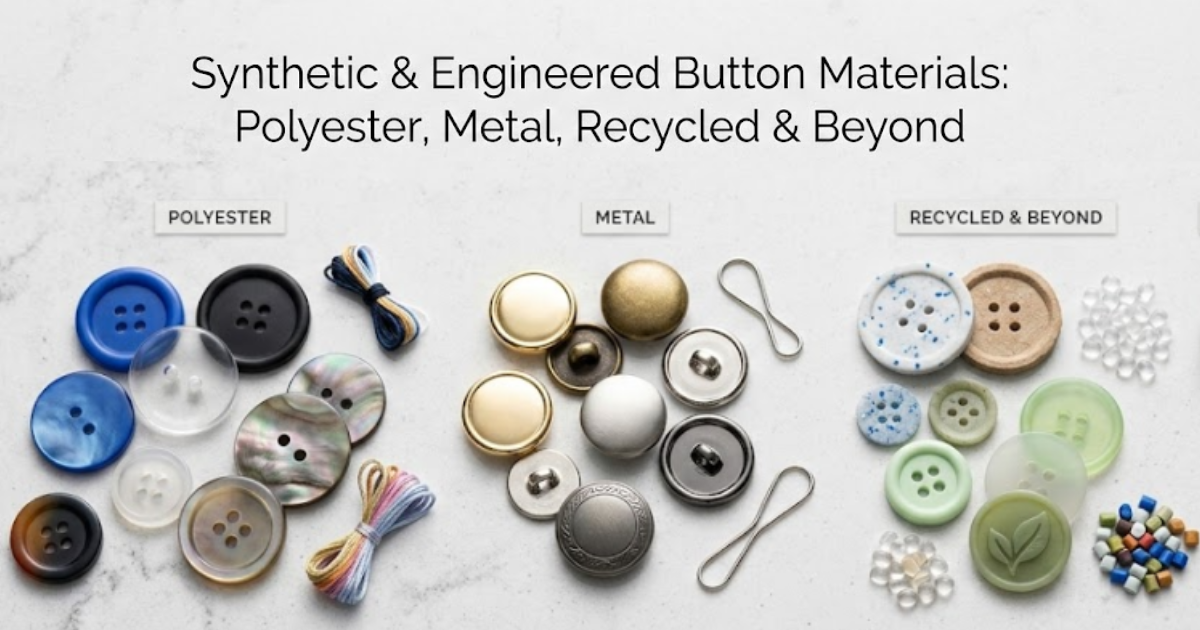
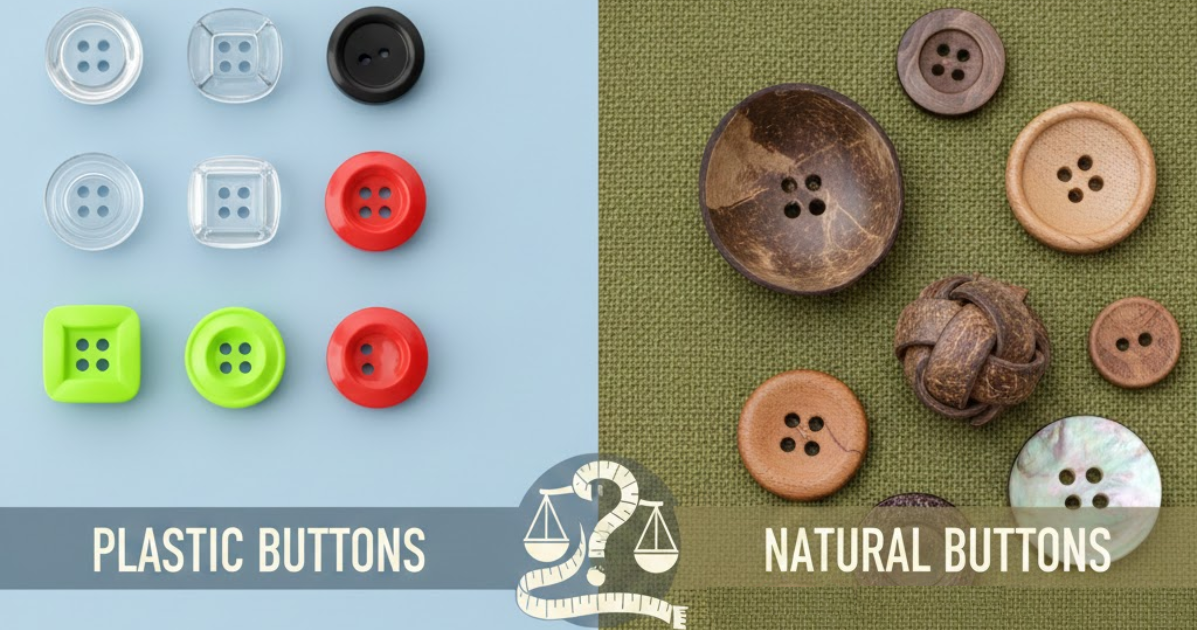
Popular safe button materials:
Global safety certifications like OEKO-TEX®, CPSIA, and REACH provide widely accepted proof of compliance with safety regulations.
The role of Quality Control in Button Manufacturing is critical because it ensures that buttons will maintain their attractive appearance while providing secure functionality throughout their lifespan. The reliable manufacturers execute their quality control procedures through several different stages.
Buttons need to resist a force of 70 Newtons, which exceeds the maximum strength that a child can generate. The testing process identifies weak attachments, which are classified as defective products.
The testing process involves repeatedly opening and closing buttons until they reach a minimum of 5,000 cycles, which simulates long-term button use. This testing process ensures that buttons will maintain their original position without becoming loose or misaligned.
The testing process involves exposing buttons to salt spray chambers, detergents, and hot water cycles to determine their susceptibility to rust and degradation.
The design of any detachable button that fits inside a small parts cylinder must undergo a complete redesign or attachment because it gets classified as unsafe.
The advanced tools, which include XRF spectrometry for lead and cadmium and phthalate testing, create regulatory compliance with both CPSIA and EU REACH requirements.
The manufacturers need to deliver both Children’s Product Certificates (CPCs) and product labels, which should include batch information, product origin, and manufacturing date.
The process of choosing the right button requires more than evaluating its color and design. It is essential to create balance when matching buttons with fabrics.
The designers of kidswear should avoid creating shiny surfaces or designing their products to resemble toys because these features encourage children to play with their clothes and put them in their mouths. Hidden buttons or magnetic snap closures disguised as buttons are now growing in popularity for their safety and aesthetic value.
India is home to some of the world's most advanced and safety-compliant button manufacturers. Companies serve export clients who demand compliance with CPSIA, OEKO-TEX®, and EN 71 standards.
Top Indian button manufacturers often offer these features:
These manufacturers support ethical sourcing, allowing brands to confidently meet U.S. and EU import requirements.
Next-generation kidswear is adopting smart and sustainable fasteners. Examples include:
Although these are trendy, they still have to pass all the traditional safety tests, proving that innovation cannot disregard compliance.
Button safety in kidswear is not only about a technical requirement but also about a brand promise to deliver safe products. Products from button manufacturers in India ensure complete security for kidswear through their chemical testing and strong stitching. At Chetna International, we craft kidswear with certified, safety-tested buttons to meet the toughest global standards. Contact us today to build clothing collections that are both stylish and secure.


.svg)


.svg)

.jpg)




.jpg)

%20(1).jpg)

.jpg)




.jpg)


.jpg)


.jpg)
.jpg)


.jpg)

.jpg)


