.webp)


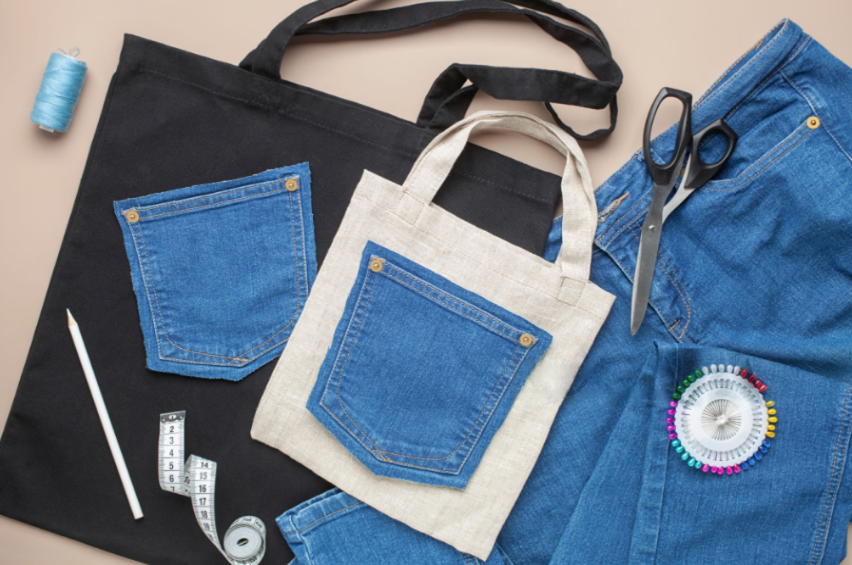
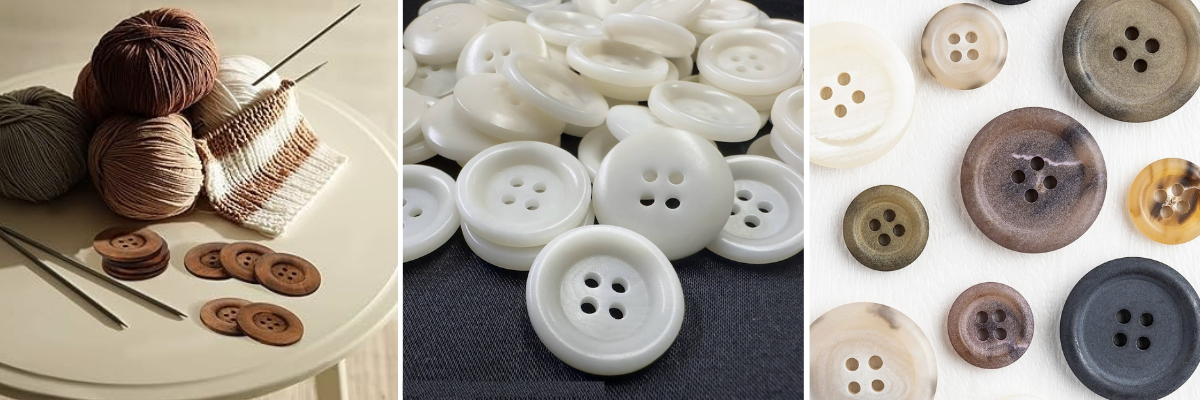
Choosing the right button is not only about clothing appearance but also about comfort, style, and durability, which defines the quality control in button manufacturing. Every fabric, from heavy-duty denim to delicate kurtis, requires its own button selection that matches its design and functional needs.
Buttons can make or break the garment's look. The wrong buttons can look awkward or detract from the design, while the right buttons enhance the overall aesthetic and elevate the piece. The right button selection helps designers show their craftsmanship and quality control in button manufacturing through fashion designs and functional items.
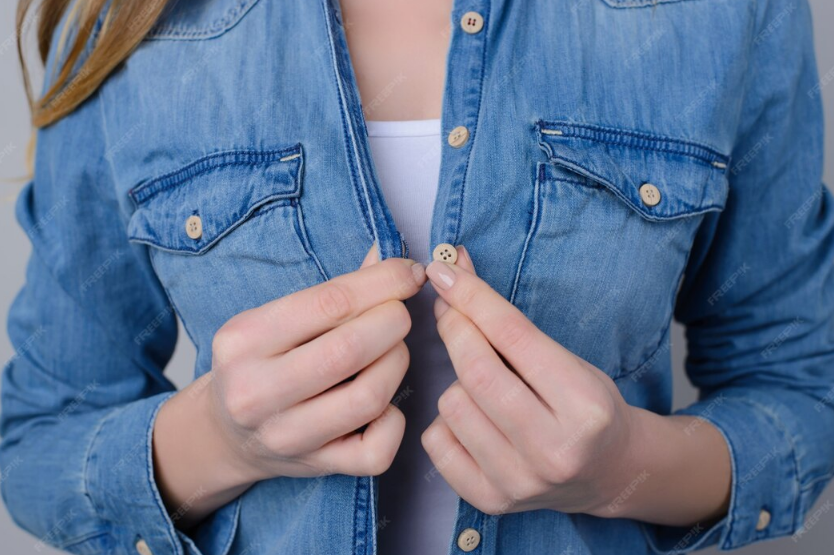
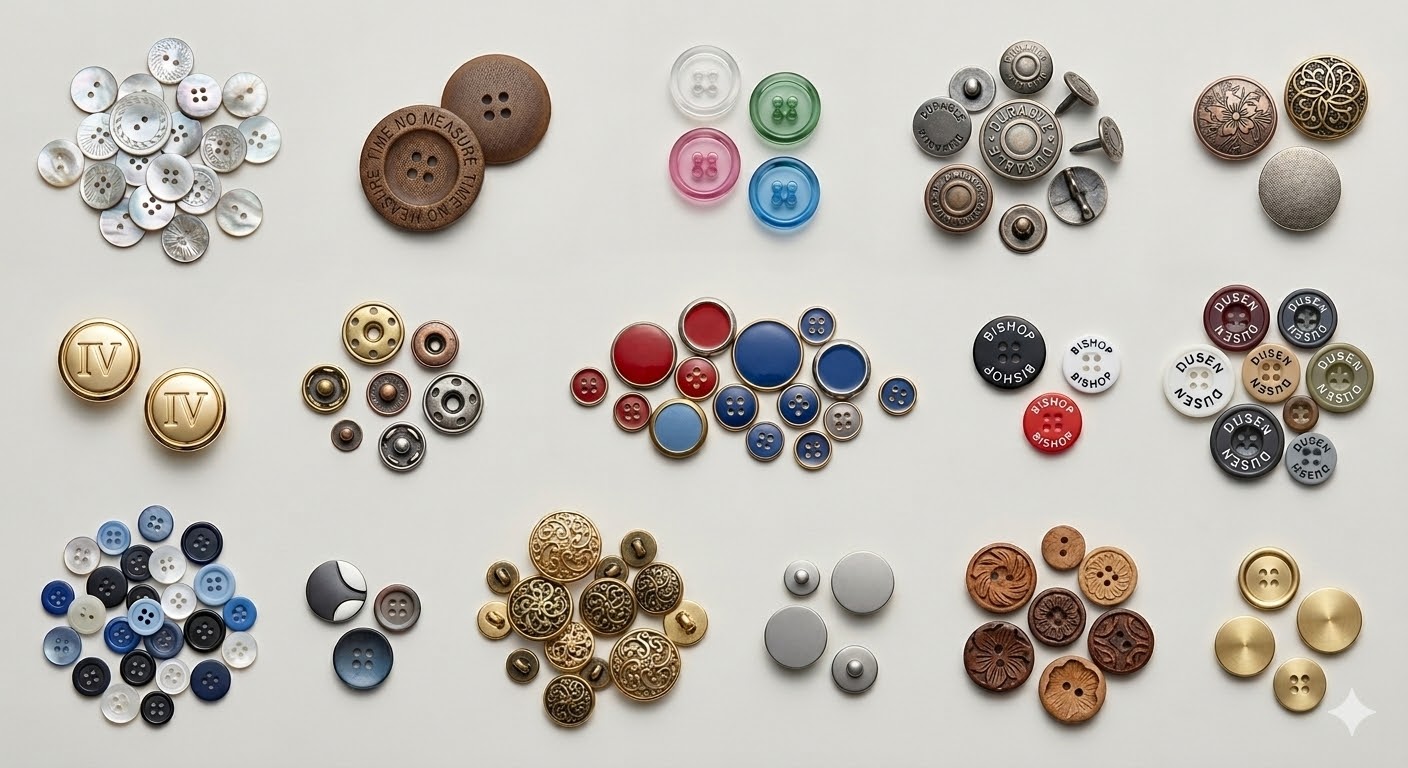
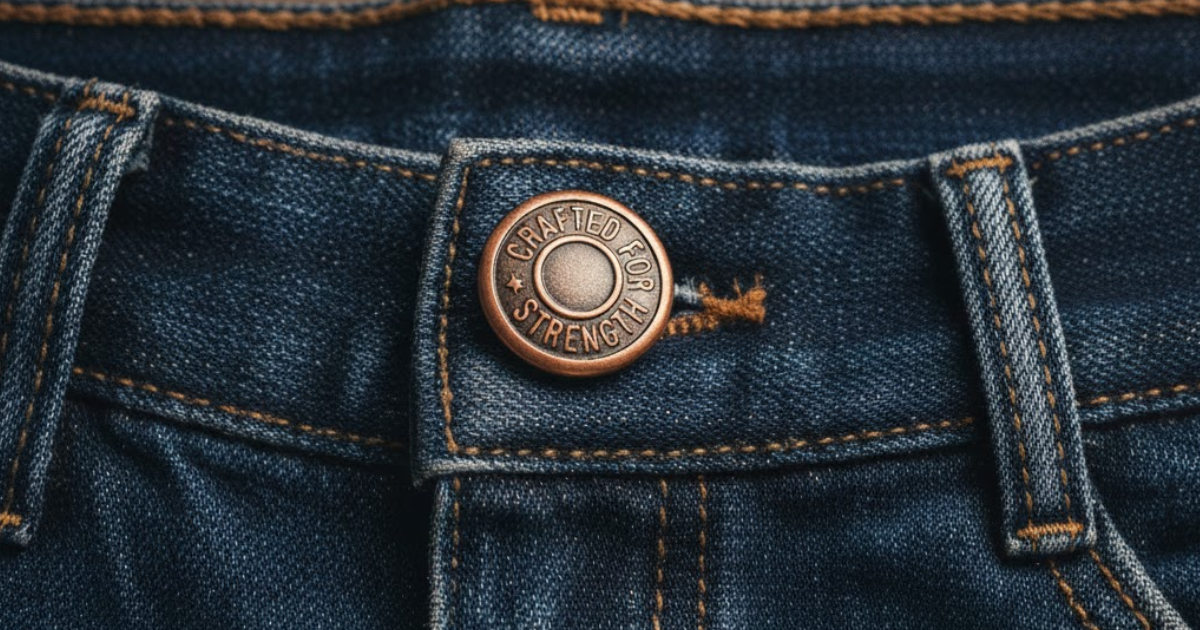
The button selection should show all three characteristics of strength, durability, and personal style because denim demands these qualities in buttons.
These buttons use rivet-style backs to create secure attachments, which improve both durability and visual appeal. Button placement functions are a critical element in denim garments because they create aligned closures that maintain their proper fit while preventing gaping.
.jpg)
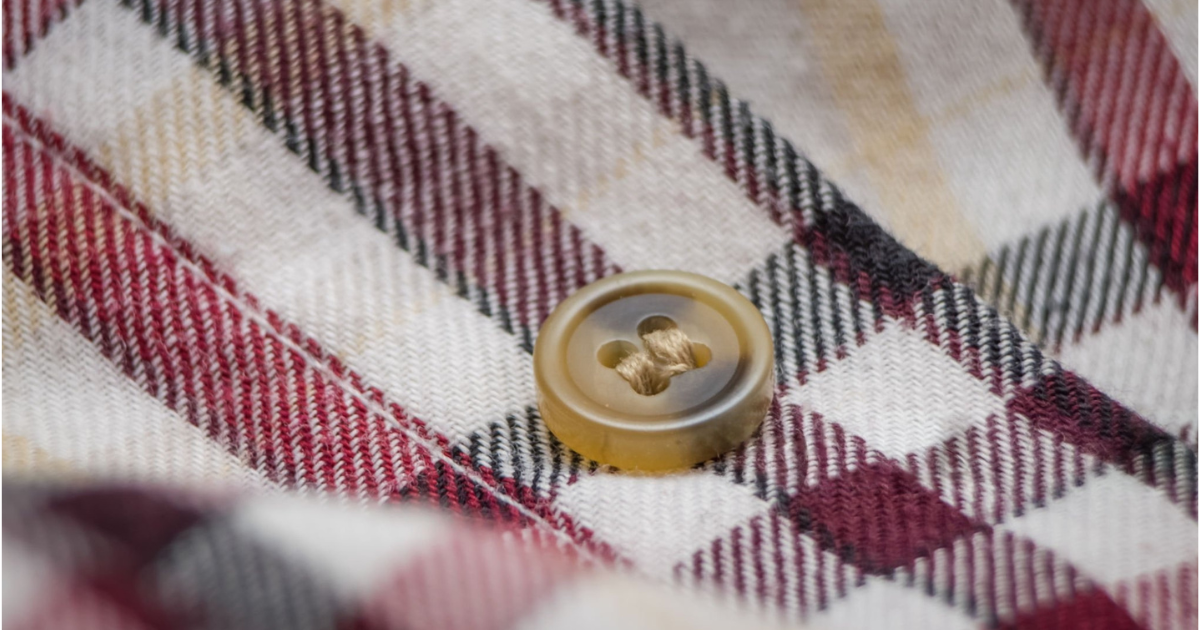
Shirts, especially those made of cotton or blends, require buttons that are subtle yet durable.
When matching buttons with fabric, soft textiles look best with smooth finishes and simple designs. Avoid overly heavy or metallic styles that can make the garment look bulky.
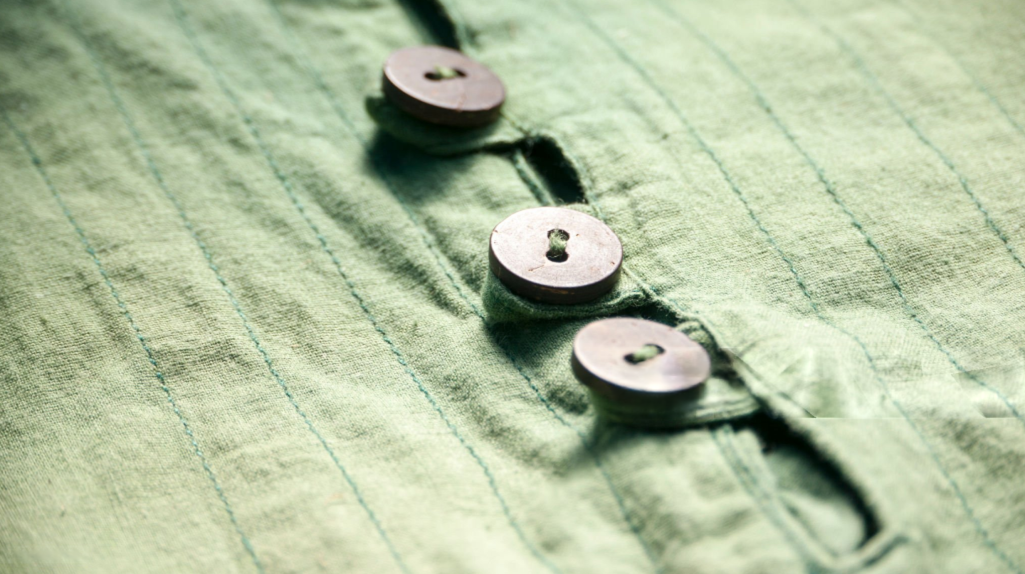
Kurtis allows users to express their artistic vision with button choices. Here, the design elements take precedence over practical functions.
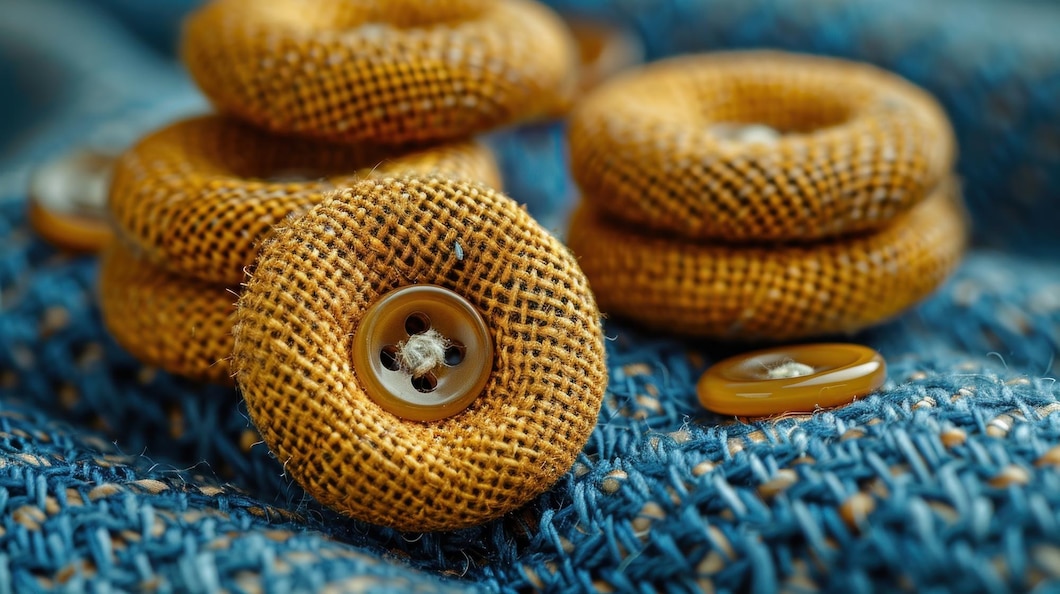
Kurtis also allows the use of fabric-covered and handcrafted novelty buttons, which create an authentic artisanal appearance when paired with embroidery and mirror work elements.
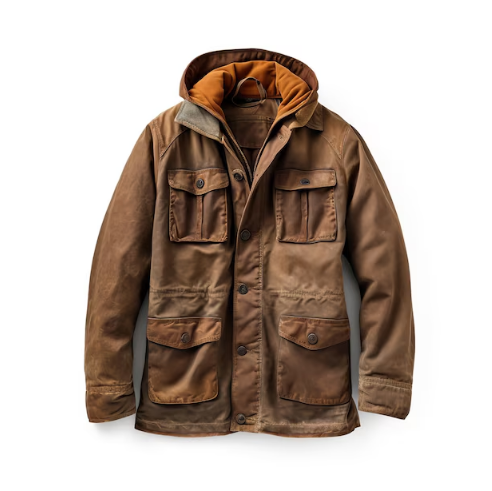
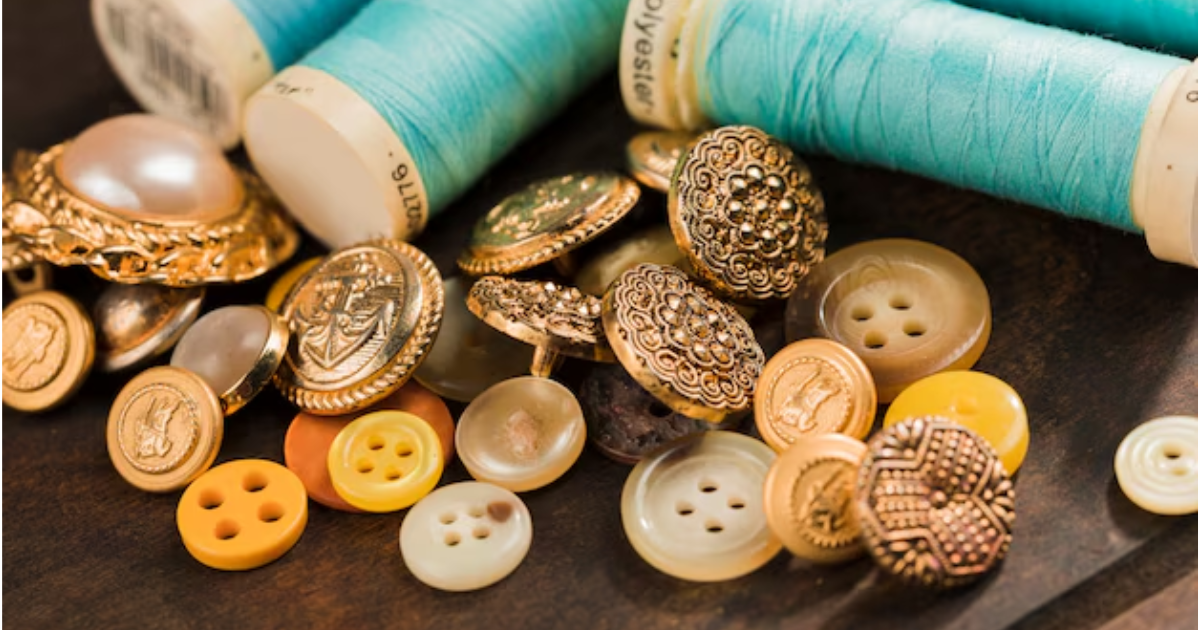
Jackets demand buttons that combine both durability and visual appeal, because matching buttons with fabrics is a key design requirement of the garment.
The jacket buttons should be attached in such a way that the closure remains flat. If the buttons are not attached properly, the shape of the jacket may be ruined.
To choose the right button for any garment, you should consider the following:
Heavier fabrics like denim or wool require larger, more durable buttons. The combination of lightweight fabrics such as voile and silk requires users to select smaller buttons, which provide optimal breathability.
Durability and user-friendly operation stand as the primary requirements for functional buttons that operate on plackets and closures. The decorative buttons maintain design flexibility but must match the overall appearance of the garment.
The use of monochromatic buttons creates a minimalist appearance, while contrasting colors enable users to create eye-catching designs that showcase their personal style.
An ISO-certified button manufacturer in India ensures that the development of high-quality buttons follows the strict procedures of ISO guidelines, which are necessary for quality assessment
Superior buttons not only look good but also offer excellent appearance standards and protect their operational capacity through extended use, which satisfies customers and boosts brand reputation.
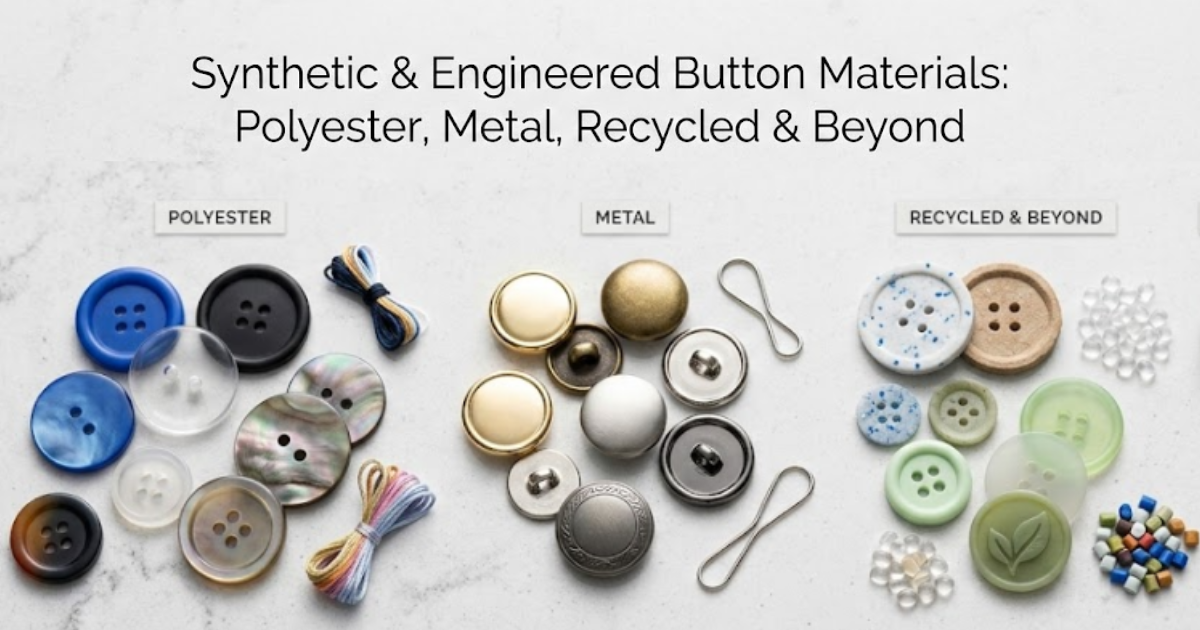
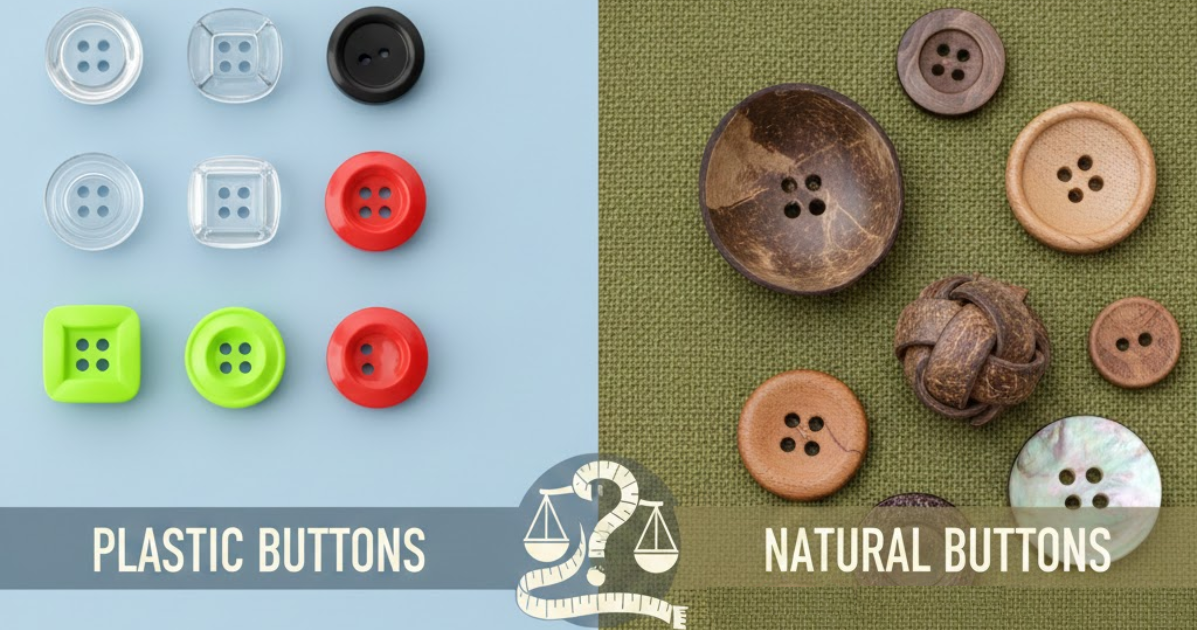
India is a global hub for button production because it offers various material options, production techniques, and eco-friendly methods. Leading button manufacturers of India can offer:
Indian manufacturers supply both traditional elements and advanced technological solutions with modern design methods to support your ethnic wear and contemporary fashion projects.
Choosing the right buttons for your clothing, ranging from sturdy jeans to elegant kurtis, requires practical benefits, functionality, and stylish enhancements. To maintain consistency in your clothing line, consider the fabric, design intent, and button materials.
Chetna International is the most trusted button manufacturer in India, which offers customizable options and adds professional polish to every stitch. If you are a designer or business seeker looking for reliability and variety, contact Chetna International today.


.svg)


.svg)


.jpg)




.jpg)

%20(1).jpg)

.jpg)




.jpg)


.jpg)


.jpg)
.jpg)


.jpg)

.jpg)


