.webp)


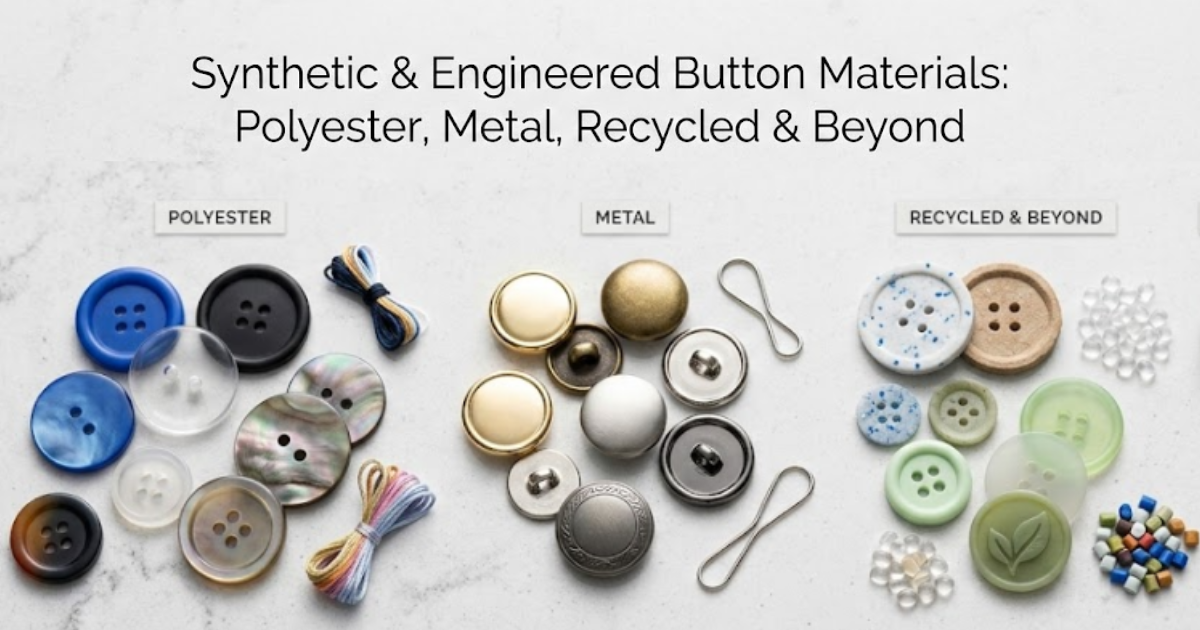
A single polyester button order can run into the millions. That's not a typo. When a brand specs out a new shirt line, they don't need hundreds of buttons. They need hundreds of thousands, and every single one has to look identical. That kind of scale simply isn't possible with natural materials like corozo or horn.
And that's exactly why synthetic and engineered button materials exist.
Polyester resin, metal, recycled, and bioplastic options - here's how each one is made, where it belongs, and how to choose.
Synthetic button materials are any button substrates manufactured from processed or engineered compounds rather than harvested from nature. This includes petroleum-derived polymers like polyester resin, metallic alloys formed through die casting, and newer categories like recycled plastics and bioplastic blends.
The "synthetic" label carries baggage. People assume it means cheap. It doesn't. A well-made imitation horn polyester button can cost nearly as much as real bone, and it'll survive industrial washing that would destroy the natural version.
What actually separates synthetic from natural is consistency at scale. When you're producing 50,000 garments and every button needs to match perfectly, engineered materials are the only practical choice.
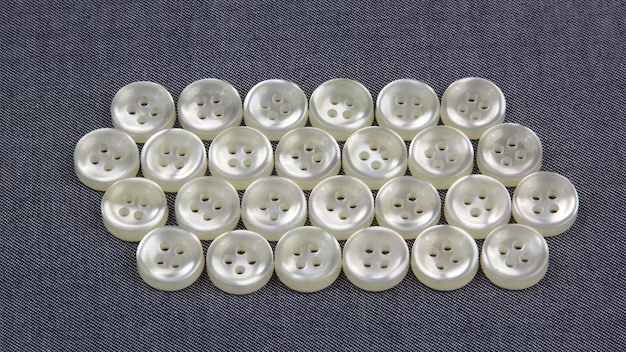
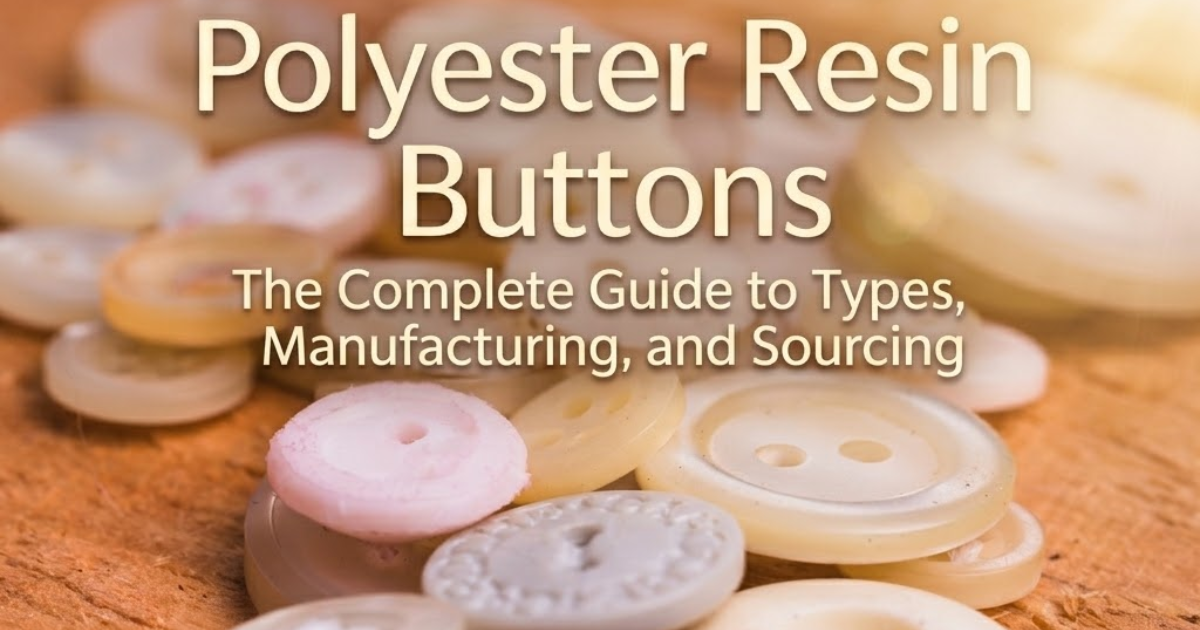
Polyester resin is the workhorse of the global button industry. If you're wearing a dress shirt right now, there's a very good chance the buttons are polyester. Our polyester resin production line accounts for the largest volume of any single material category we manufacture, and that tracks with the global market.
The process starts with unsaturated polyester resin mixed with styrene monomer, pigments, catalysts, and fillers. At Chetna International, we've run a dedicated polyester factory since 1984 (separate from our natural materials facility), and we use two primary methods: sheet casting and rod casting.
Sheet casting involves pouring the resin mixture into flat molds where it cures into solid sheets roughly 2 to 4mm thick. These sheets are then punched into button blanks using precision dies. Rod casting follows a similar chemistry, but the resin cures in cylindrical molds. We slice the rods into individual discs and then shape them on automatic turning machines.
After blanking, buttons go through turning to create the final profile - rim depth, well shape, hole placement. Then comes dyeing, polishing, and optional finishing like laser engraving or lacquer coating. The whole sequence from raw resin to finished button typically takes 5 to 7 days in our facility.
Not all polyester buttons are the same. The material category breaks into several distinct subtypes, each targeting different market segments.
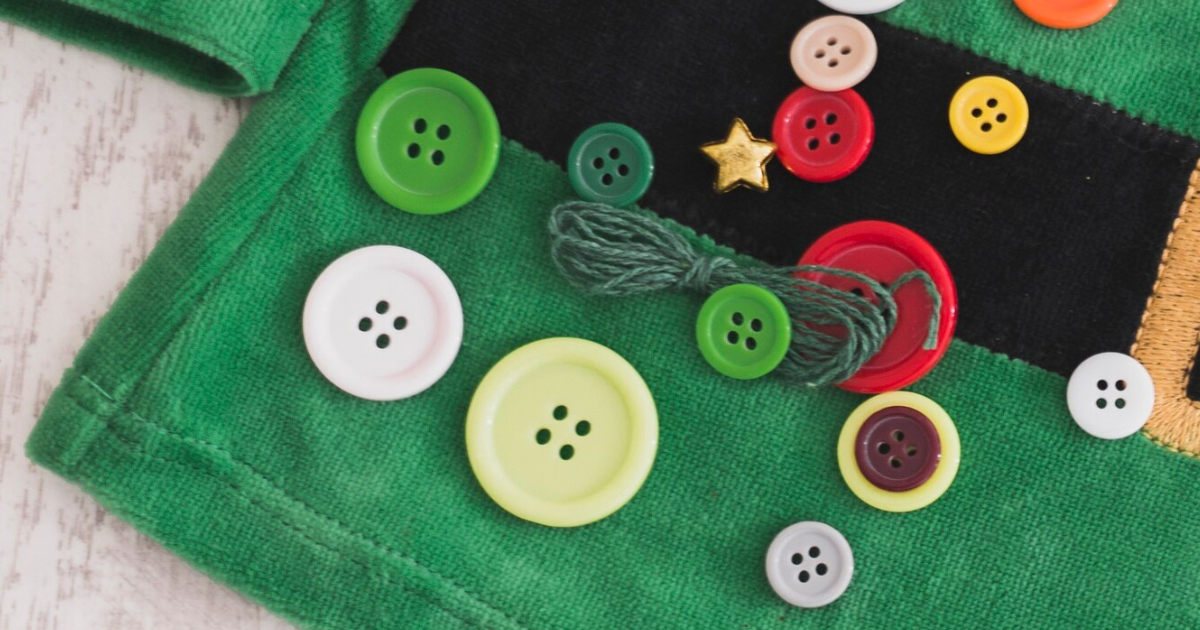
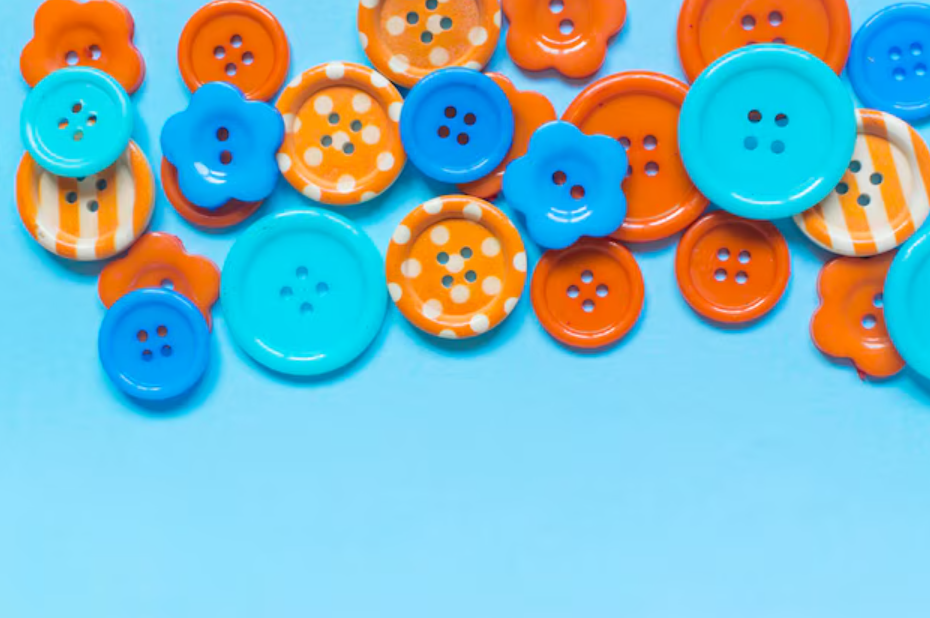
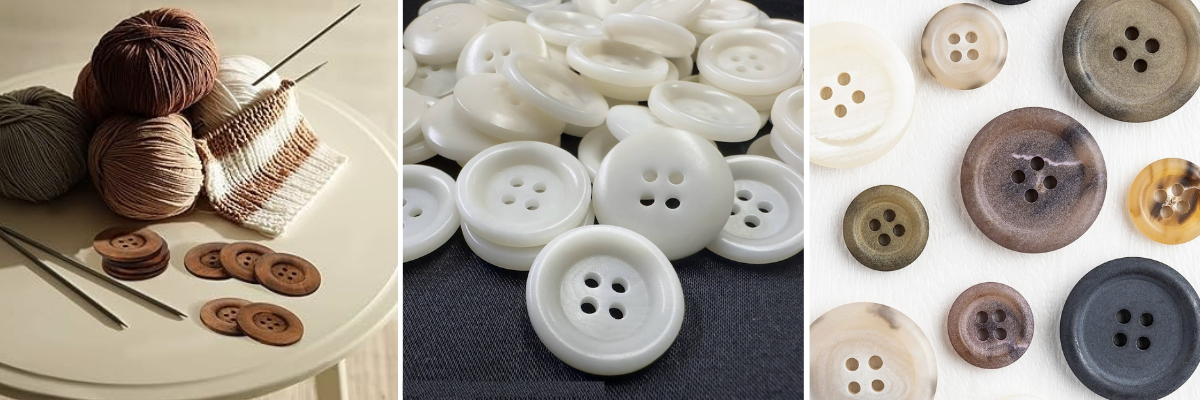
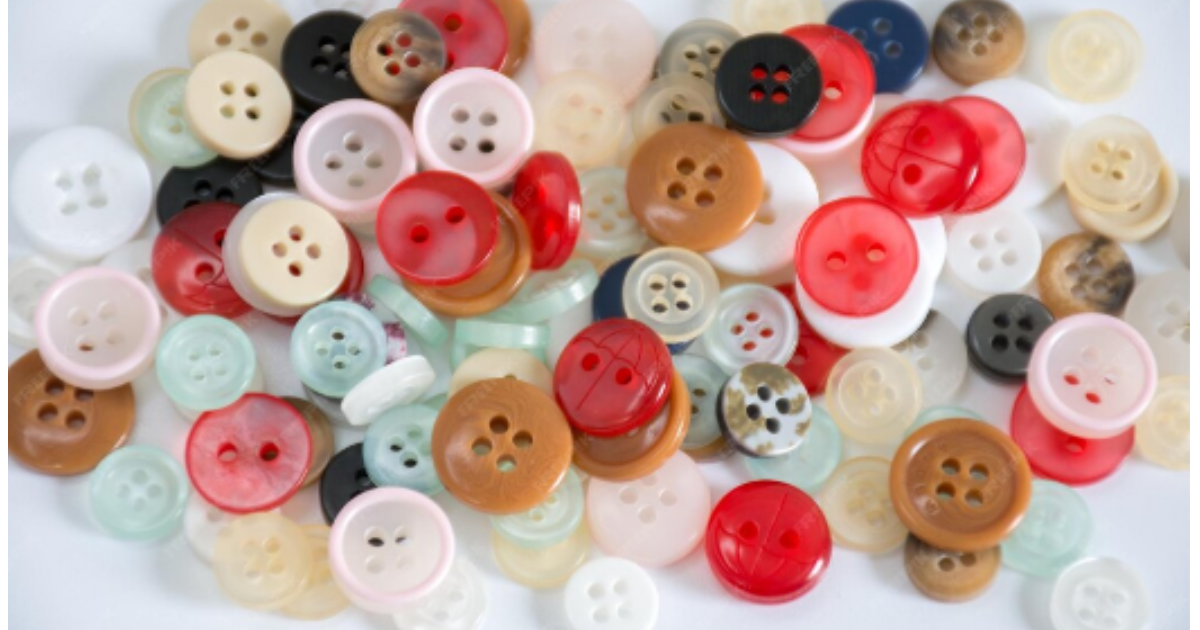
Standard polyester resin is your everyday shirt button. Solid colors, clean edges, available in virtually any size from 10L (6.35mm) to 80L (50.8mm). These buttons handle repeated washing at temperatures up to 80°C without warping or fading. They're the default choice for commercial shirting, trousers, and basic outerwear.
Chalk polyester has a matte, slightly powdery texture that mimics natural materials. Designers love it because it doesn't look plastic. The chalk effect comes from specific filler ratios in the resin formula, and it creates a tactile quality you can't get with standard glossy polyester.
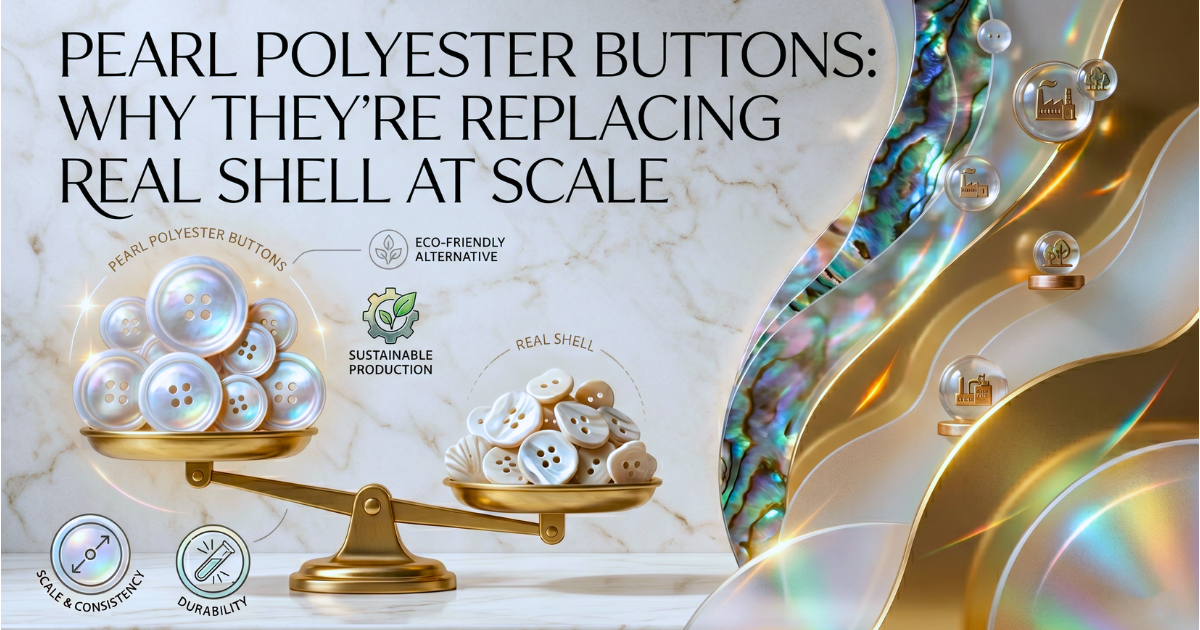
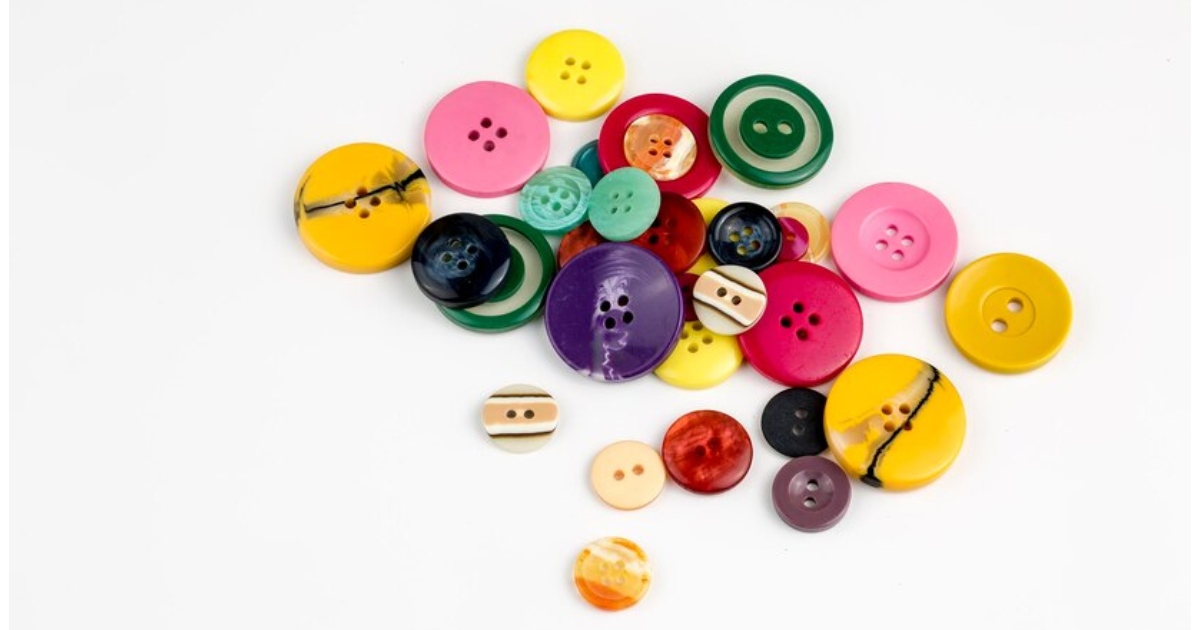
Pearl polyester replicates the iridescent shimmer of real shell buttons at a fraction of the cost. We achieve the pearl effect through layered pigment systems in the casting process. The result catches light the same way mother-of-pearl does, but it won't chip or crack during garment assembly.
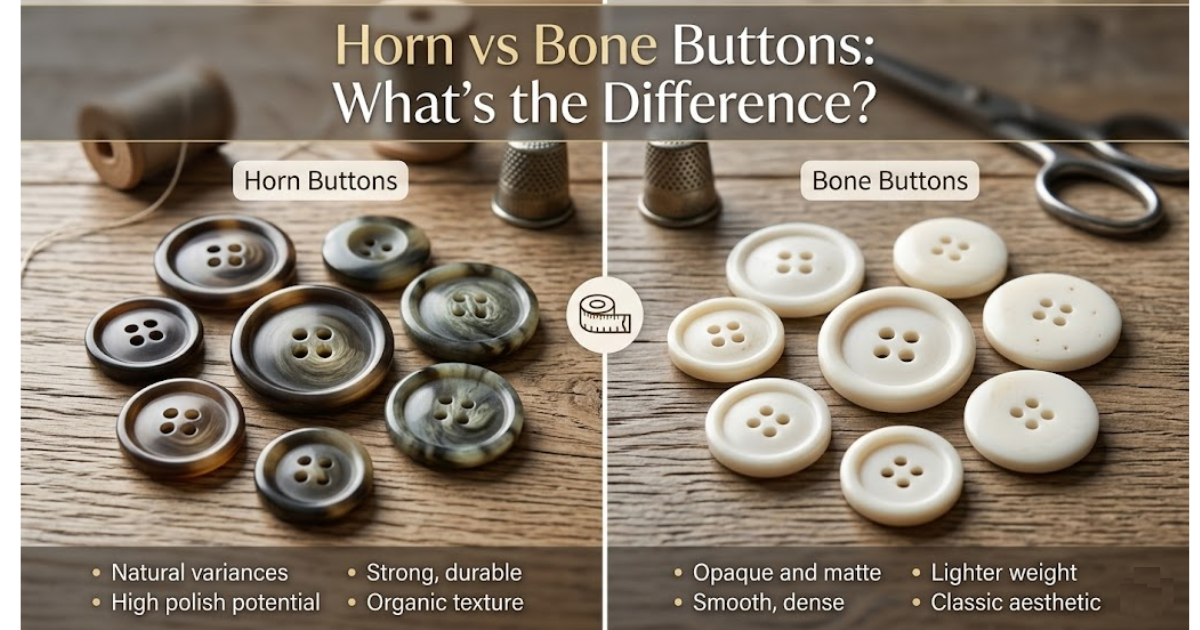
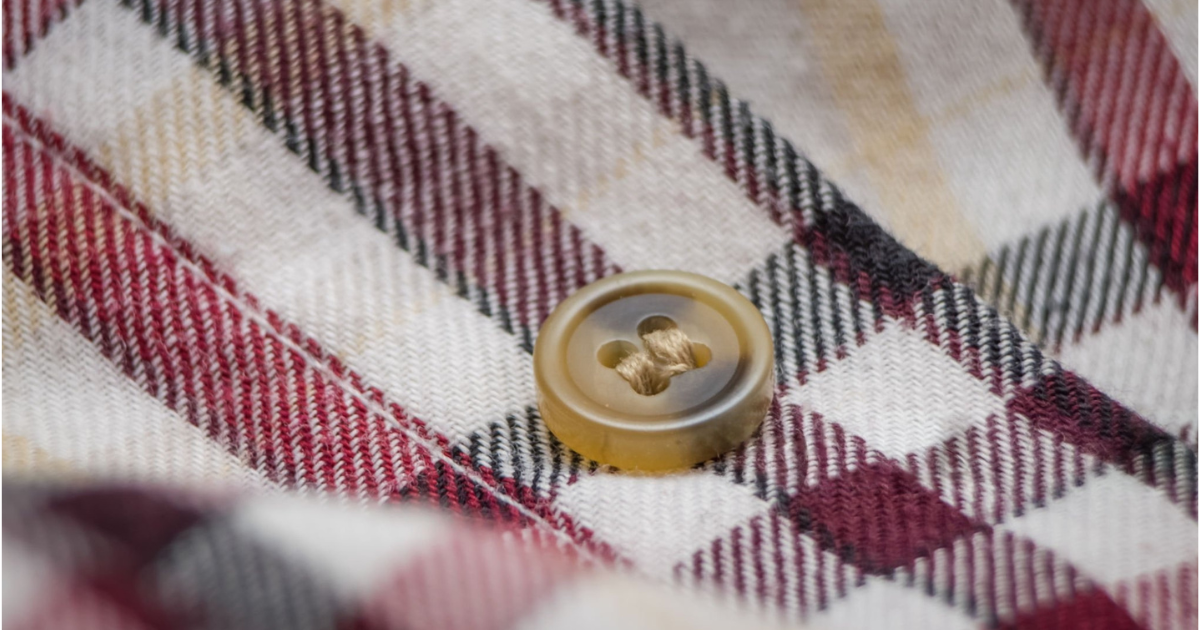
Imitation horn is where polyester resin really shows off. Through careful pigment blending during the casting stage, we create color patterns that closely mimic the natural grain of buffalo horn. For brands that want the horn aesthetic without the natural material's price point or supply variability, this is the go-to solution.
Color matching is exact and repeatable across runs of any size. Pricing stays predictable because raw material costs don't swing like natural commodities. And lead times are shorter since there's no dependence on seasonal harvesting.
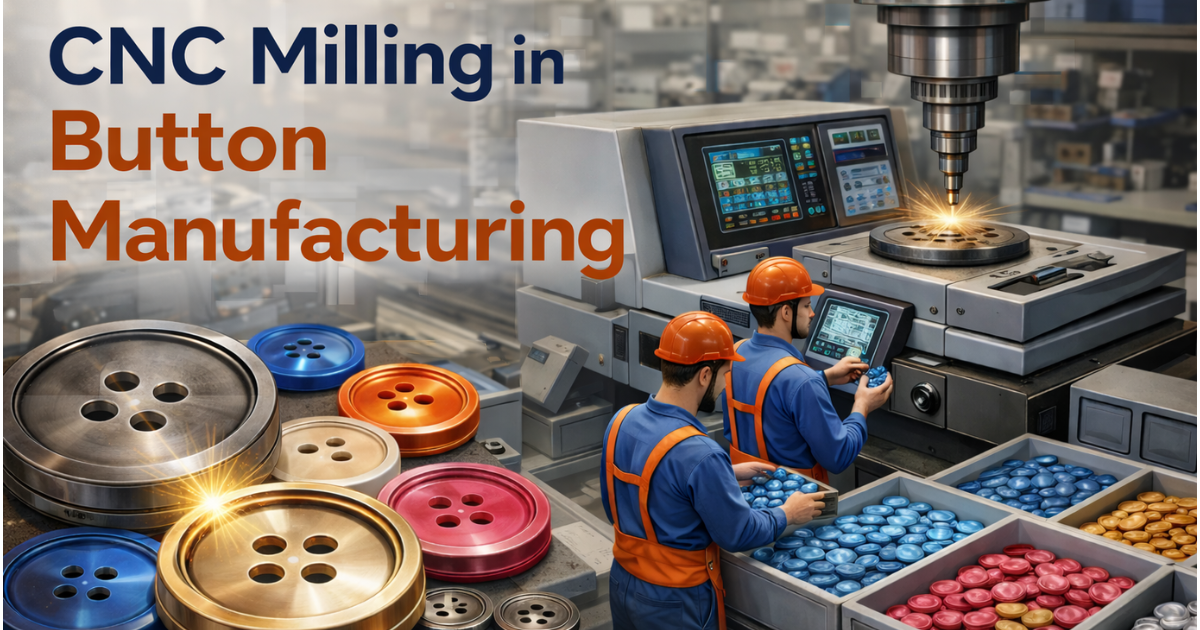
But the real draw is design flexibility. CNC milling and 3D printing prototyping let us develop custom profiles that would be impossible in horn or bone. Pair that with wash durability up to 80°C, and polyester resin becomes hard to argue against for commercial-volume garments.
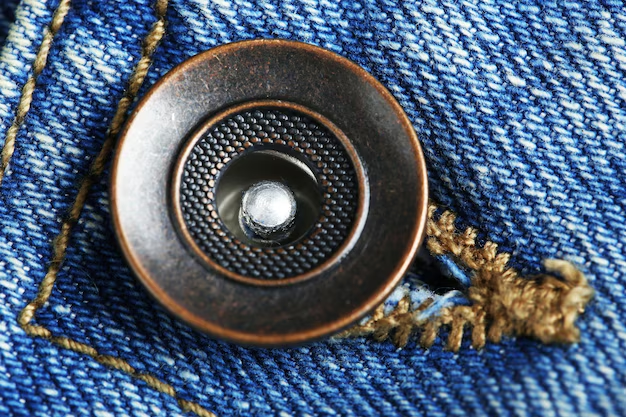
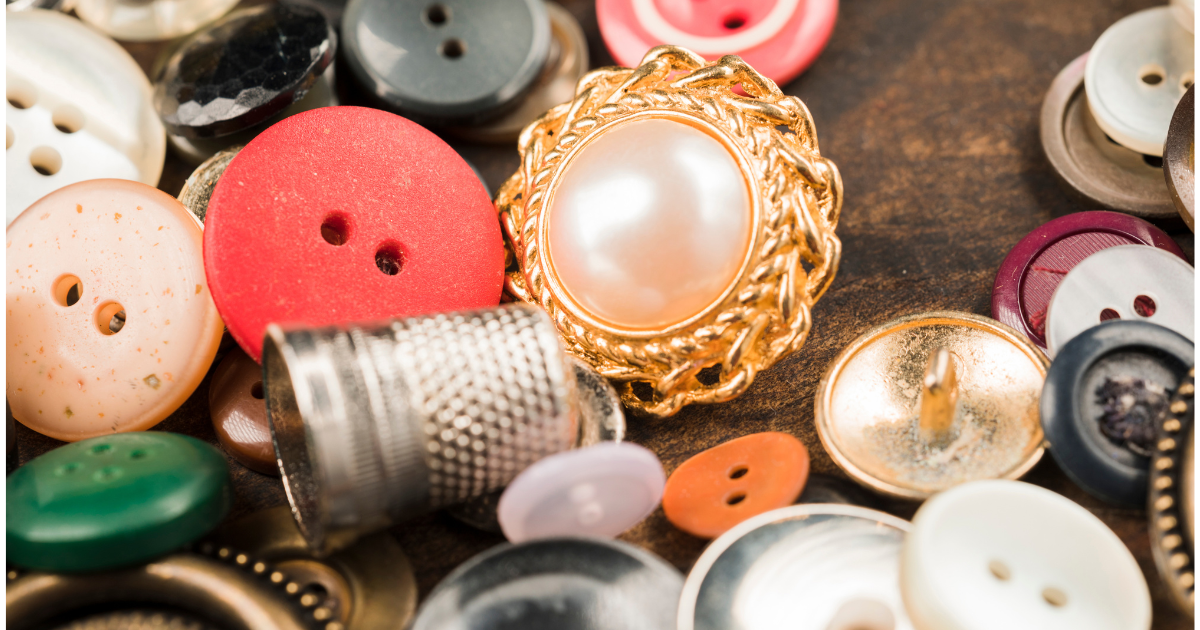
Metal buttons serve a different market than polyester. Where polyester is about volume and versatility, metal is about structural strength, brand identity, and the kind of visual weight that makes a garment feel premium.
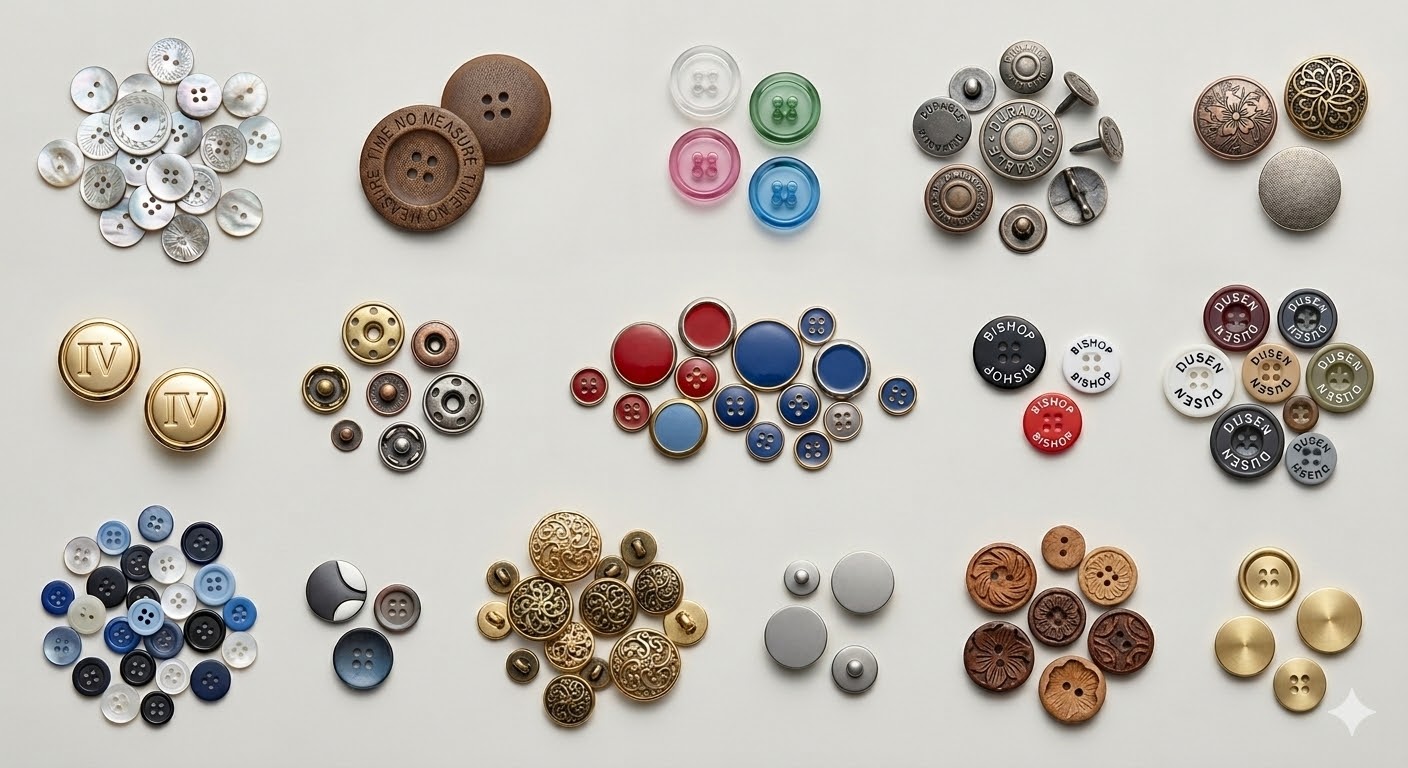
Most metal buttons are produced through die casting or stamping. Die casting involves injecting molten metal alloy (typically zinc alloy, brass, or aluminum) into precision molds under high pressure. The result is a dimensionally accurate button that can hold fine detail - logos, textures, patterns - that you'd never achieve through other materials.
Stamping is a cold-forming process where sheet metal gets pressed into shape between matched dies. It's faster than casting for simpler designs and works well for lightweight applications. Both methods produce a raw button that then moves through finishing.
Finishing is where metal buttons come alive. Through electroplating and chemical surface treatments, a single base button can take on dozens of appearances.
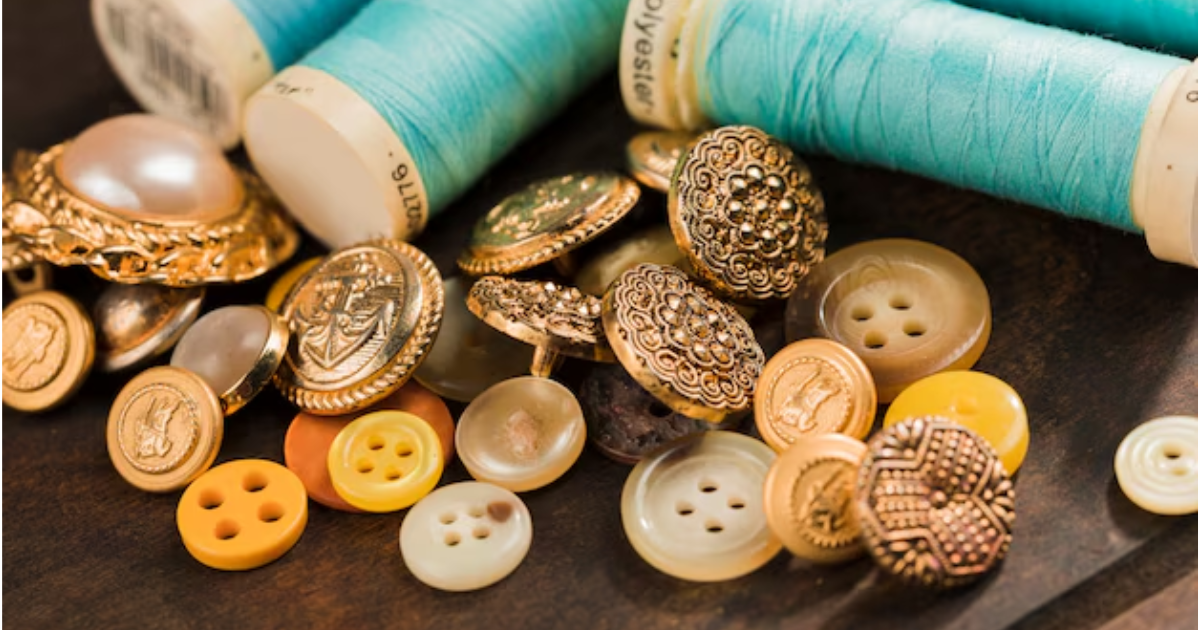
Antique brass gives you that aged gold tone with darkened recesses - the go-to for heritage denim and workwear brands. Brushed nickel reads as modern and clean, popular for contemporary menswear. Gunmetal (dark grey, slightly blue undertone) has become the default for premium casual lines that want metal without the flashiness. And shiny gold or silver plating still dominates in uniform and formal applications.
Each finish involves specific plating chemistry with tightly controlled bath temperatures, immersion times, and current density. Getting the color consistent batch after batch is harder than it sounds. Anti-tarnish and anti-rust coatings go on last. These protective layers are what separate a quality metal button from one that corrodes after three washes. We test every batch for salt spray resistance and abrasion durability before shipment.
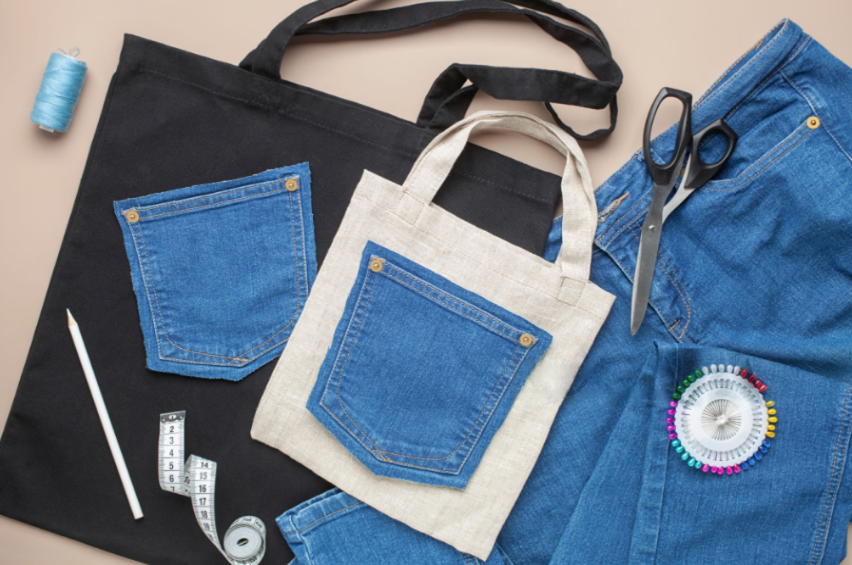
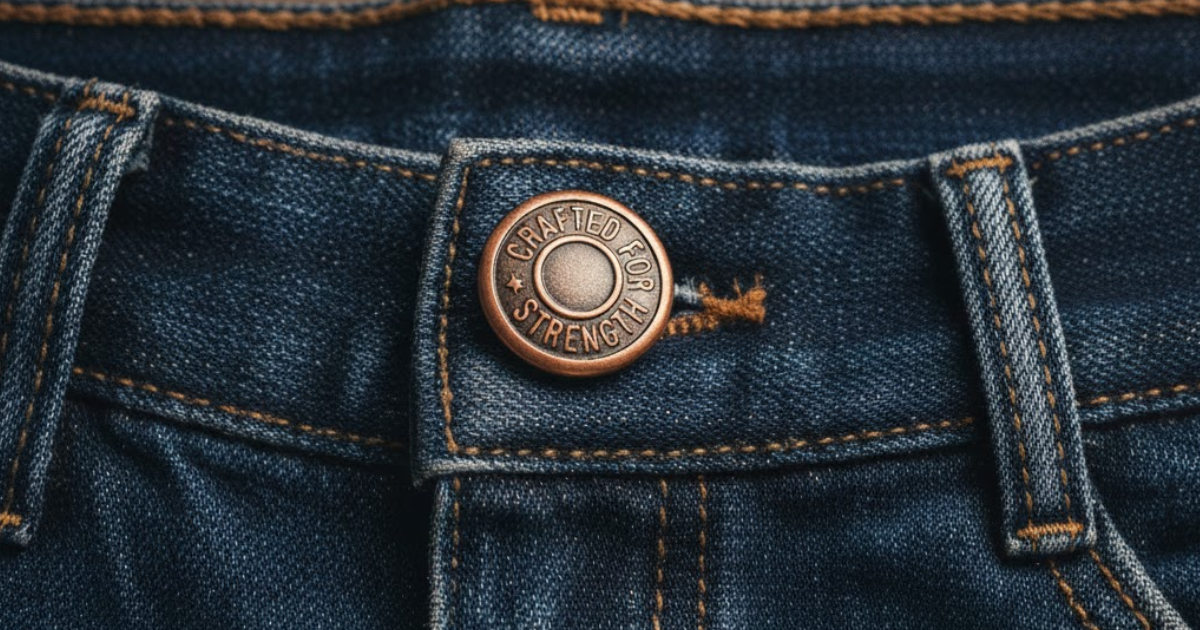
Metal buttons have specific applications where no other material works as well. Denim is the obvious one. Jeans tack buttons and rivets take enormous stress during wear and washing, and only metal delivers the necessary strength. But metal also dominates in outerwear, military and uniform garments, blazers with branded closures, and any design that needs the heft and authority of real metal.
The weight factor matters more than people realize. A metal blazer button in your hand has a satisfying density that tells you this is a quality garment. Polyester can mimic the look of metal, but it can't fake the weight.
For brands selling into the EU, nickel compliance isn't optional. REACH regulations limit nickel release from articles in direct skin contact to 0.5 µg/cm²/week. This applies to jeans buttons, snap closures, and any metal button that touches skin. We test for nickel release as a standard part of our quality control protocol, and offer nickel-free plating options for every metal button style.
This is the fastest-growing category in our product line. Five years ago, requests for recycled and bioplastic materials were occasional. Now they're part of almost every new development conversation we have with brands.
Recycled buttons come from several source streams. Post-industrial recycled polyester takes manufacturing waste (offcuts, defective sheets, trim scrap) and reprocesses it into new button-grade material. Post-consumer recycled content uses collected plastic waste. And then there's our own approach through RRAJ Bioplast, our subsidiary that converts non-recyclable button manufacturing waste into compounds blended with traditional polymers like PP, HDPE, LDPE, and ABS.
Bioplastic buttons use plant-derived polymers (PLA from cornstarch, cellulose-based compounds, or bio-polyester) either as full replacements or blended with conventional polymers. The technology is real, but it's still maturing. Pure bioplastic buttons currently don't match conventional polyester on heat resistance or dimensional stability, so most commercial products use blends.
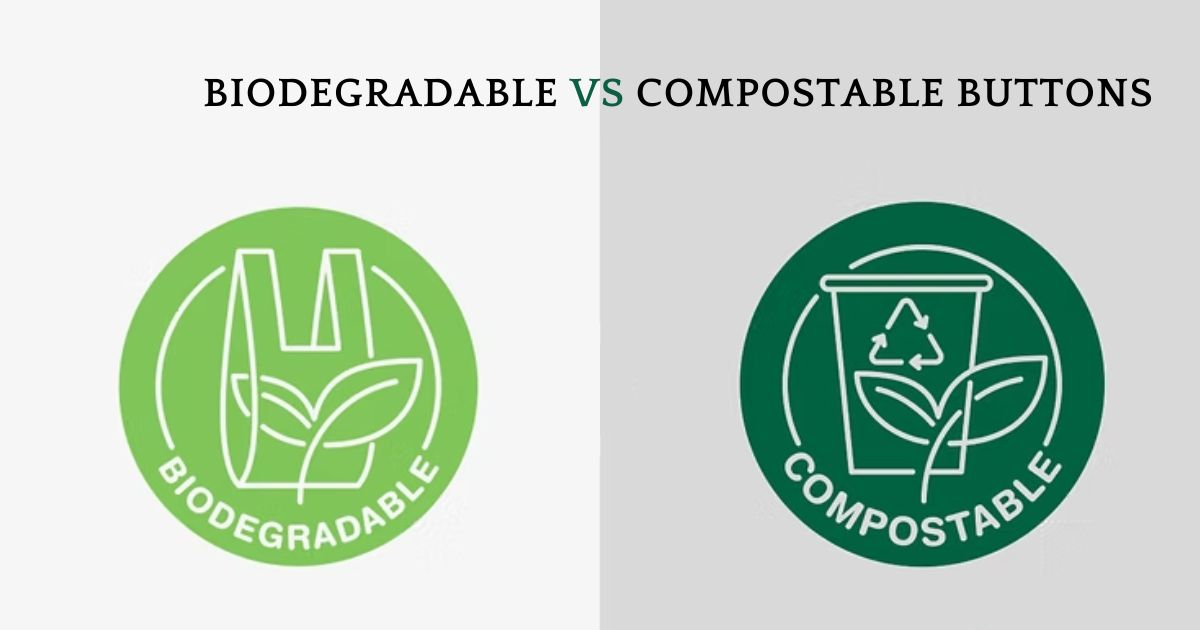
Here's where we need to be direct. The terms "recycled," "biodegradable," and "compostable" get thrown around interchangeably in marketing, but they mean very different things. A recycled button uses reclaimed material in its production. That's it. It doesn't mean the finished button is biodegradable, and it doesn't mean it'll break down in a home compost bin.
Biodegradable means the material will decompose through natural biological processes, but the timeline can range from months to decades, depending on conditions. Compostable is a stricter standard - it requires breakdown within a specific timeframe under specific conditions, certified to standards like EN 13432 or ASTM D6400.
We're transparent about this because greenwashing hurts everyone. Our Reformé line is made with verified recycled content, and we can provide documentation on recycled percentage per batch. But we won't claim it's compostable, because it isn't.
For brands making sustainability claims on their garments, button certifications need to hold up to scrutiny. The key standards to look for are:
OEKO-TEX Standard 100 certifies that the finished button contains no harmful substances above regulated thresholds. This is baseline for any button entering the EU or selling to quality-conscious brands. Our polyester and recycled lines carry OEKO-TEX certification.
Global Recycled Standard (GRS) and Recycled Claim Standard (RCS) verify the recycled content percentage in the supply chain through third-party auditing. These certifications provide the paper trail brands need to back up their marketing claims.
REACH compliance is mandatory for the European market and restricts specific chemicals. ISO 9001 quality management certification demonstrates consistent manufacturing processes.
The decision between polyester, metal, and recycled alternatives isn't about which material is "best." It's about which material fits your specific garment, market, budget, and brand positioning.
Start with the garment. A casual cotton shirt almost always takes polyester resin. A denim jacket needs metal for the main closure and possibly polyester for internal buttons. A sustainable capsule collection is a strong fit for recycled or bioplastic options.
Then check the care label requirements. If the garment will be industrially laundered (uniforms, hospitality, healthcare), polyester resin's heat and chemical resistance makes it the safest bet. If the garment needs branded closures with logo detail, metal gives you the best canvas.
Finally, consider your brand story. If sustainability is central to your positioning, recycled buttons with verified certification give you a concrete, auditable claim. Not a vague "eco-friendly" label, but a specific recycled content percentage backed by GRS or RCS documentation.
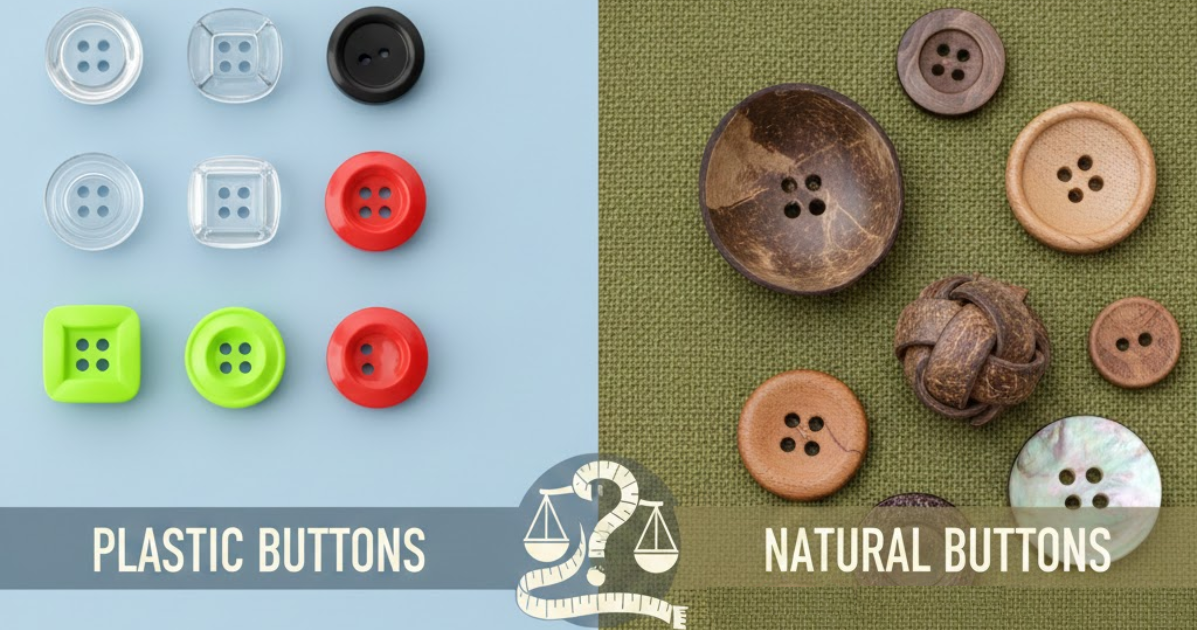
We make both categories, so we don't have a horse in this race. Our natural button materials guide covers the full range of organic options. Here's the honest trade-off.
Choose synthetic when you need volume consistency, tight color matching, aggressive pricing, maximum wash durability, or complex custom shapes. Choose natural when you need organic texture, material story for premium positioning, biodegradability, or the unique character that comes from every button being slightly different.
Most brands end up using both across different product lines. A luxury blazer might get real horn buttons, while the brand's commercial shirt range runs on imitation horn polyester. That's not a compromise. It's smart material selection.
The quality gap between a well-made synthetic button and a cheap one is enormous. Two polyester buttons can look identical on a swatch card but perform completely differently after 50 wash cycles.
Our quality control process tests every batch for dimensional accuracy (within ±0.15mm), colorfastness (ISO 105 standards), tensile strength of the button holes, and surface finish consistency. We reject entire batches that don't meet spec, because a failed button on a production line creates costs far exceeding the button's value.
Technically yes, polyester resin is a thermosetting polymer. But unlike cheap thermoplastic buttons (nylon, ABS), thermoset polyester won't soften or warp under heat. It's a higher-performance category of engineered plastic, and it's the industry standard for quality garment buttons.
With proper plating and anti-corrosion coating, a quality metal button will outlast the garment it's attached to. The weak point is usually the finish, not the base metal. Budget metal buttons with thin plating can tarnish within months. Properly finished ones last years.
Yes, if the recycling process and quality control are rigorous. Our Reformé line uses recycled content without sacrificing dimensional accuracy, colorfastness, or wash performance. The finished button is indistinguishable from virgin polyester in testing.
MOQs vary by material and complexity. Standard polyester colors can start as low as 500 gross. Custom metal buttons with new tooling typically require 1,000 to 2,000 gross to justify the die investment. Contact our team for specifics on your project.
They can, but certification depends on the specific formulation and manufacturing process. Our standard polyester and recycled lines carry OEKO-TEX Standard 100 certification. Always request test reports from your supplier and verify certification validity through the OEKO-TEX website.
Bioplastic blends are in commercial production now, and adoption is growing fast. Pure bioplastic buttons still face limitations in heat resistance and dimensional stability. Blended formulations (bio-based + conventional polymer) are the practical middle ground for brands that want bio-content without performance trade-offs.
No single answer here. Recycled polyester diverts waste from landfill. Bioplastics reduce dependence on fossil fuels. Metal buttons are highly recyclable and last longest. The "most sustainable" choice depends on whether you prioritize recycled content, biodegradability, longevity, or carbon footprint. Check our sustainability page for how we approach this across all materials.
Ask for third-party certification. GRS (Global Recycled Standard) and RCS (Recycled Claim Standard) both require supply chain auditing and chain-of-custody documentation. If a supplier can't provide GRS or RCS certificates, treat their recycled claims with skepticism.
Whether you need a million polyester shirt buttons, custom-branded metal closures for a denim line, or certified recycled alternatives for your sustainability collection, we've been making all of them for over 40 years. Browse our product catalog to see what's possible, or get in touch with our team to discuss your specific requirements. We'll send samples before you commit to a single gross.


.svg)


.svg)

.jpg)




.jpg)

%20(1).jpg)

.jpg)




.jpg)


.jpg)


.jpg)
.jpg)


.jpg)

.jpg)


