.webp)


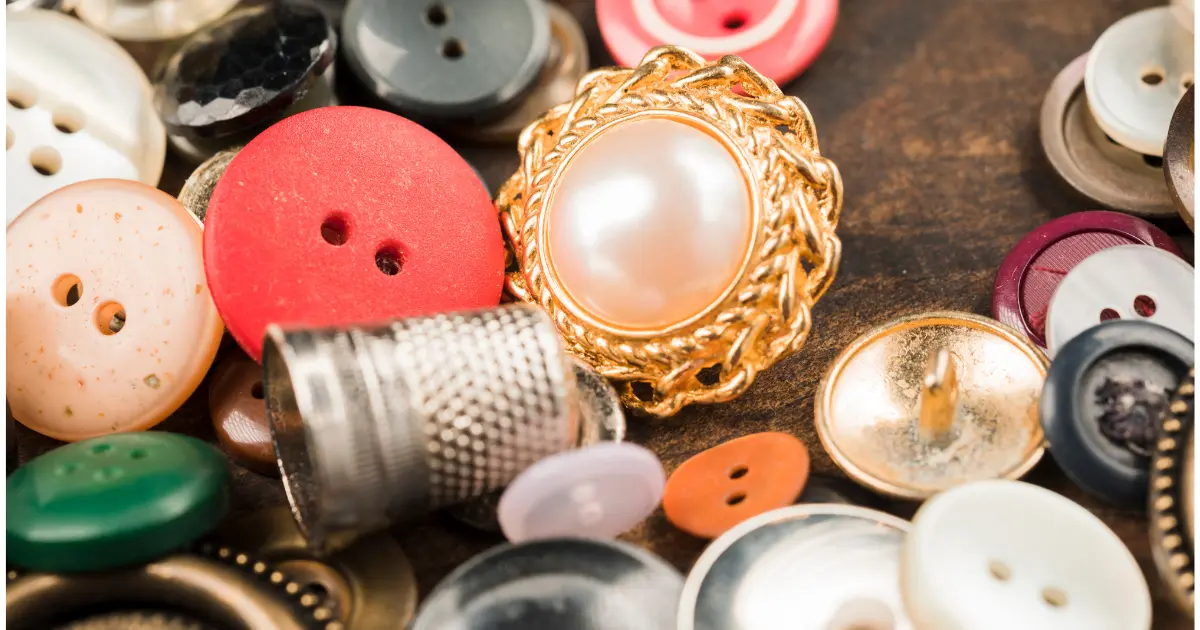
Buttons are no longer just functional fasteners. In modern fashion, they have become a small but powerful design element that can influence the overall look, texture, and identity of a garment.
Designers and apparel brands are paying closer attention to trims because the right button can transform a simple piece into something more refined and distinctive. Materials, finishes, color matching, and even button shapes are now chosen as carefully as fabrics and stitching details.
Between 2025 and 2026, several clear trends are shaping how buttons are used in fashion. Sustainability requirements are pushing brands toward biodegradable materials, bold color palettes are influencing trim design, and sculptural button styles are becoming statement elements in garments.
In this guide, we explore the most important button trends for 2025 and 2026, including the colors, materials, finishes, and styles shaping contemporary fashion.
For many years, glossy polished buttons dominated fashion trims. High-shine polyester and lacquered finishes were considered the standard choice because they looked clean and uniform.
That preference is changing.
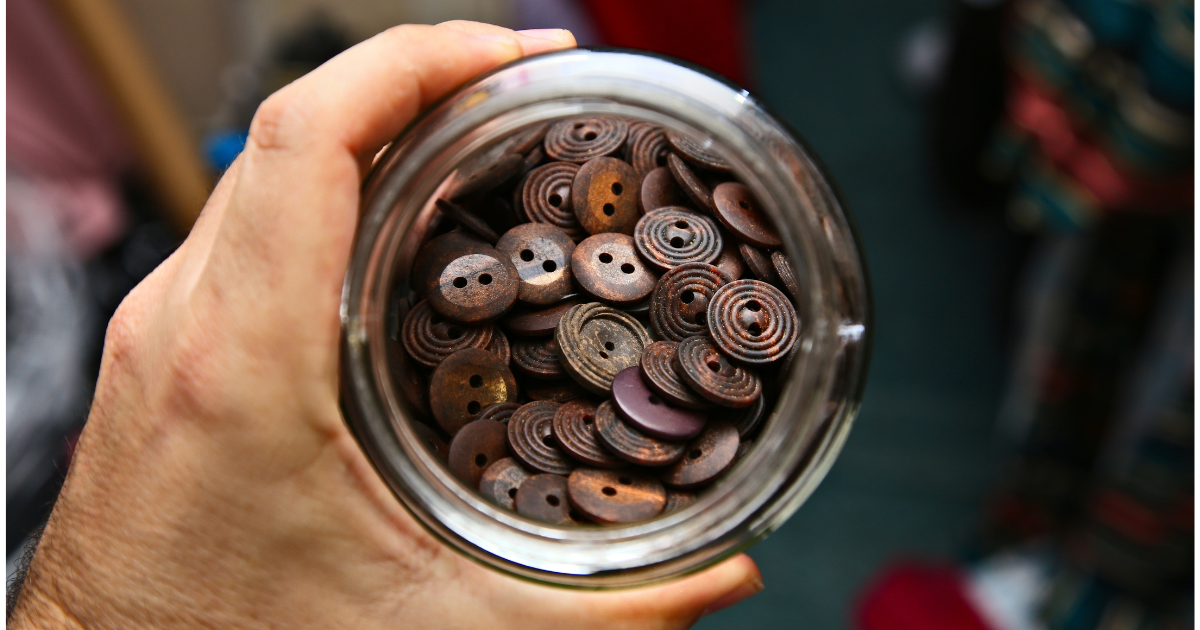
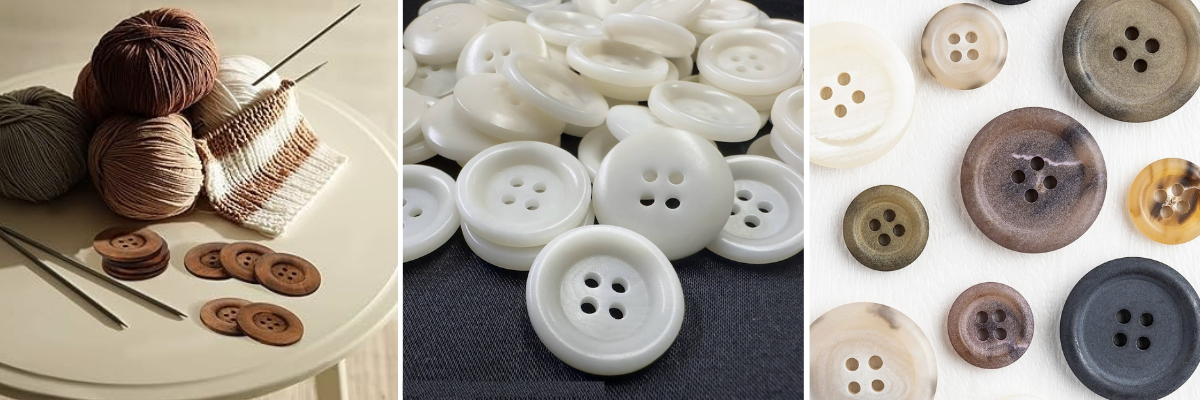
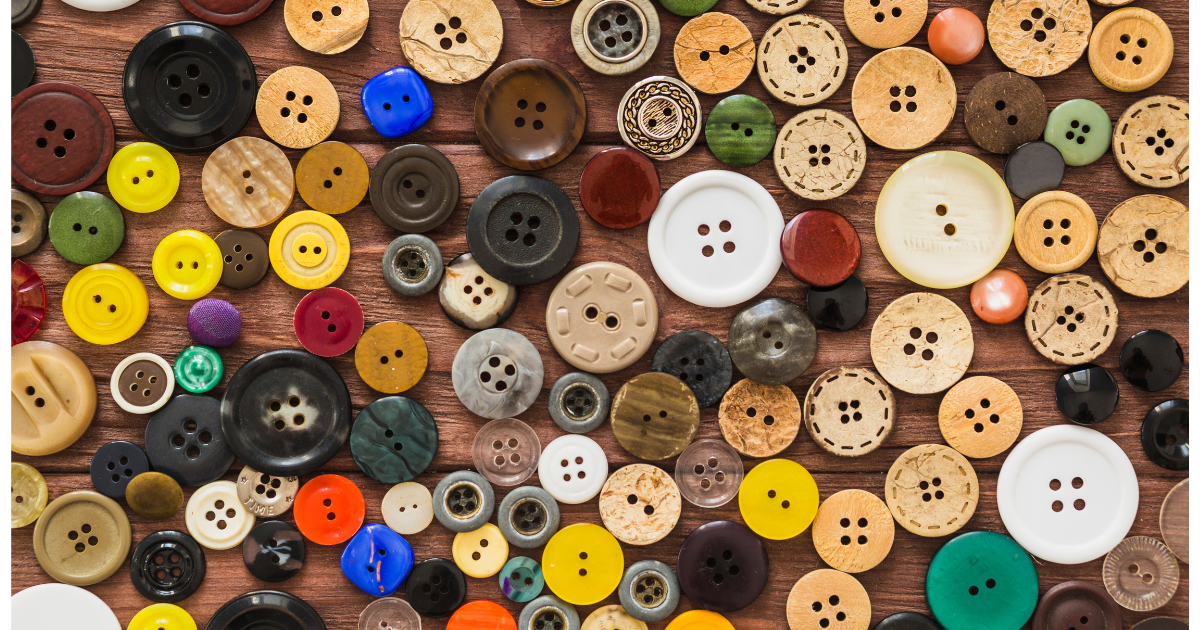
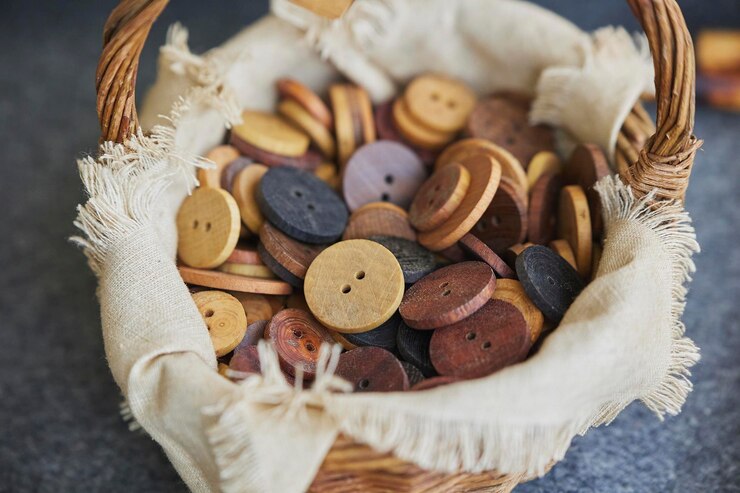
Fashion brands are increasingly choosing matte, brushed, and semi polished finishes that reveal the natural texture of the material. Instead of hiding the grain or surface pattern, designers now prefer buttons that show subtle irregularities and organic character.
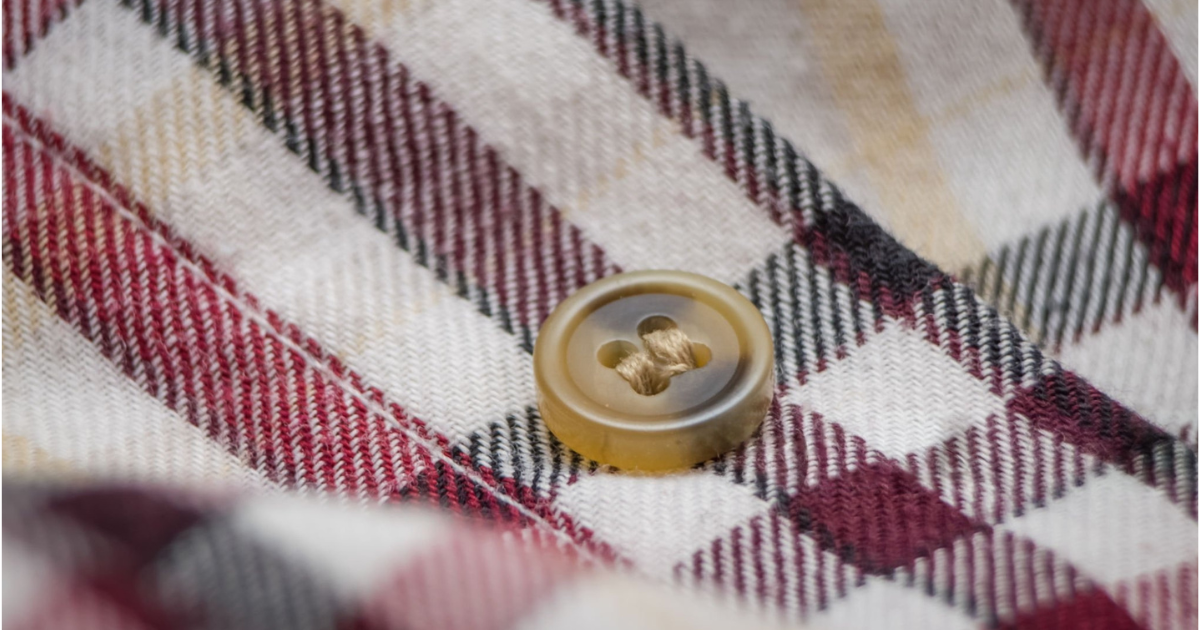
Natural materials such as corozo, horn, wood & bamboo work particularly well with matte finishes because their grain patterns create visual depth without requiring heavy polishing.
This shift first appeared in menswear collections and has gradually spread across womenswear and casual fashion. Designers associated with brands like Bottega Veneta and Loro Piana have embraced trims that emphasize natural textures, helping accelerate the move away from overly polished finishes.
The result is a softer and more natural aesthetic that aligns with the broader movement toward minimalist and sustainable fashion design.
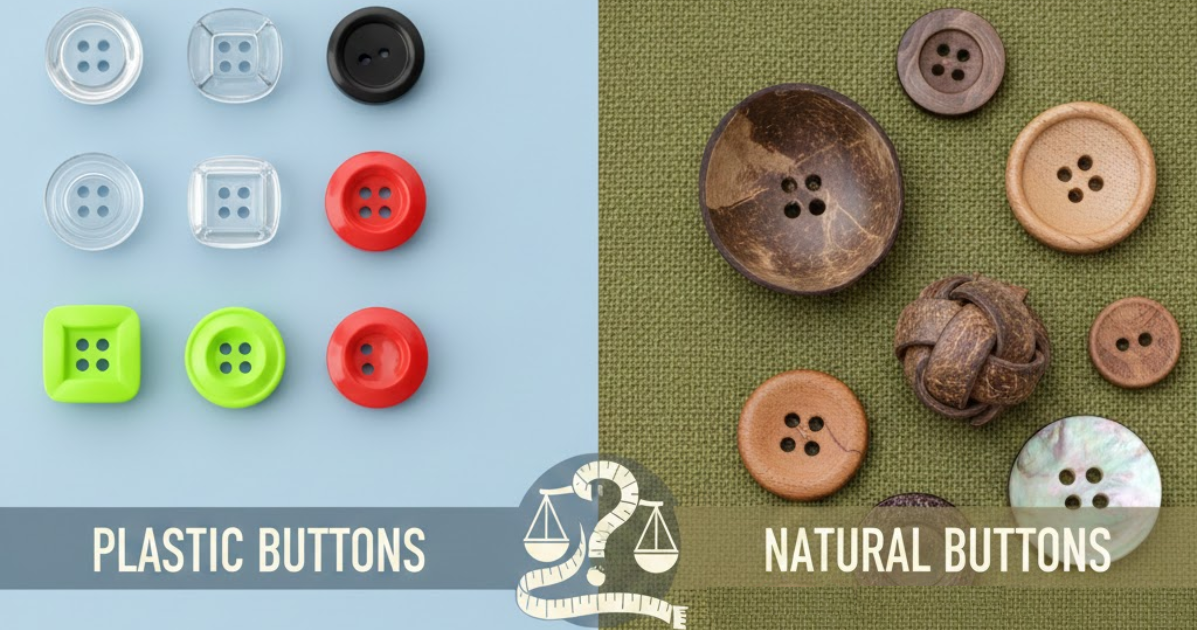
Sustainability is one of the biggest forces shaping garment components today, and buttons are no exception. Fashion brands are increasingly replacing traditional plastic trims with biodegradable or recycled alternatives.
Natural button materials are gaining popularity because they combine durability with environmental responsibility.
Some of the most widely used sustainable button materials include:
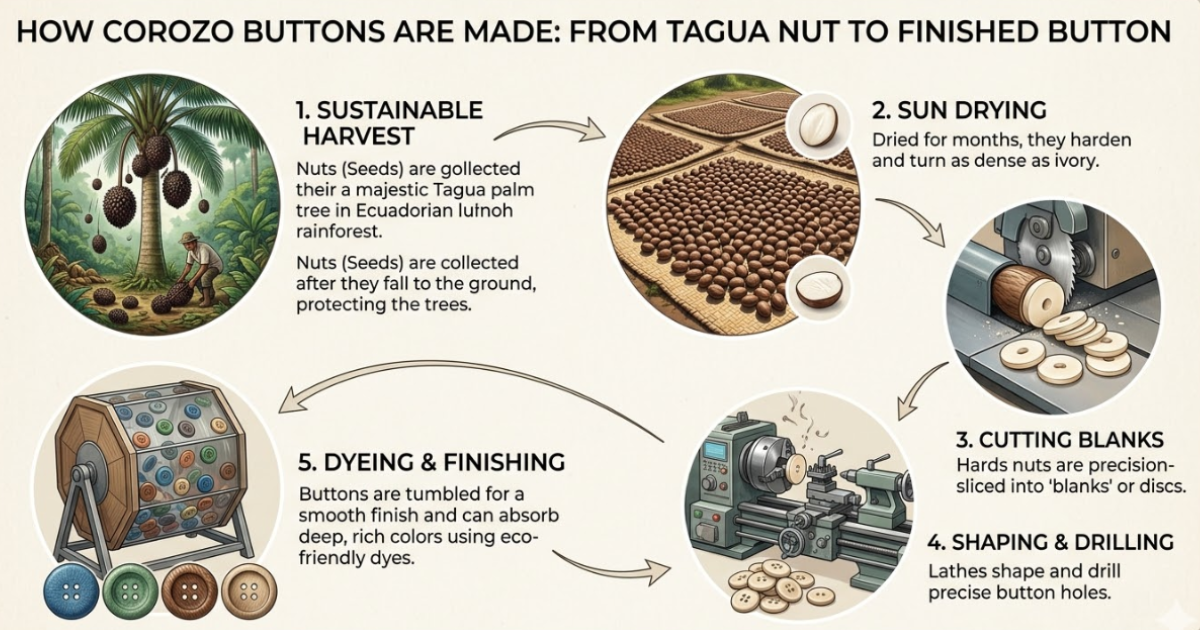
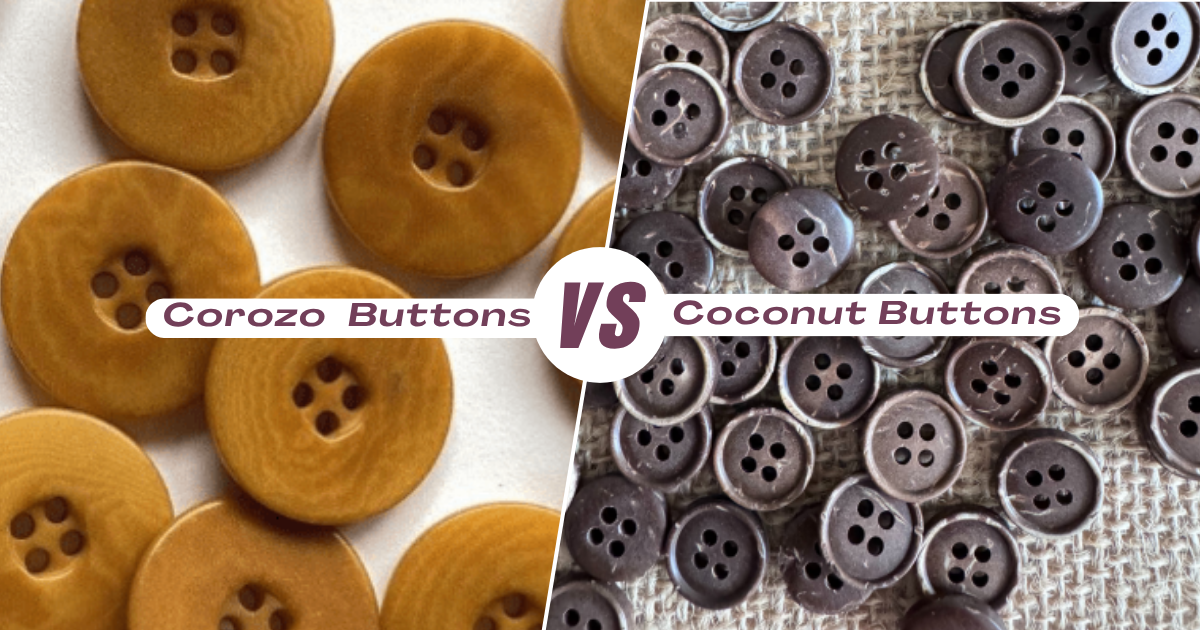
Corozo, also known as tagua nut, is a plant-based material derived from palm seeds. It is highly durable, biodegradable, and known for its excellent dye absorption.
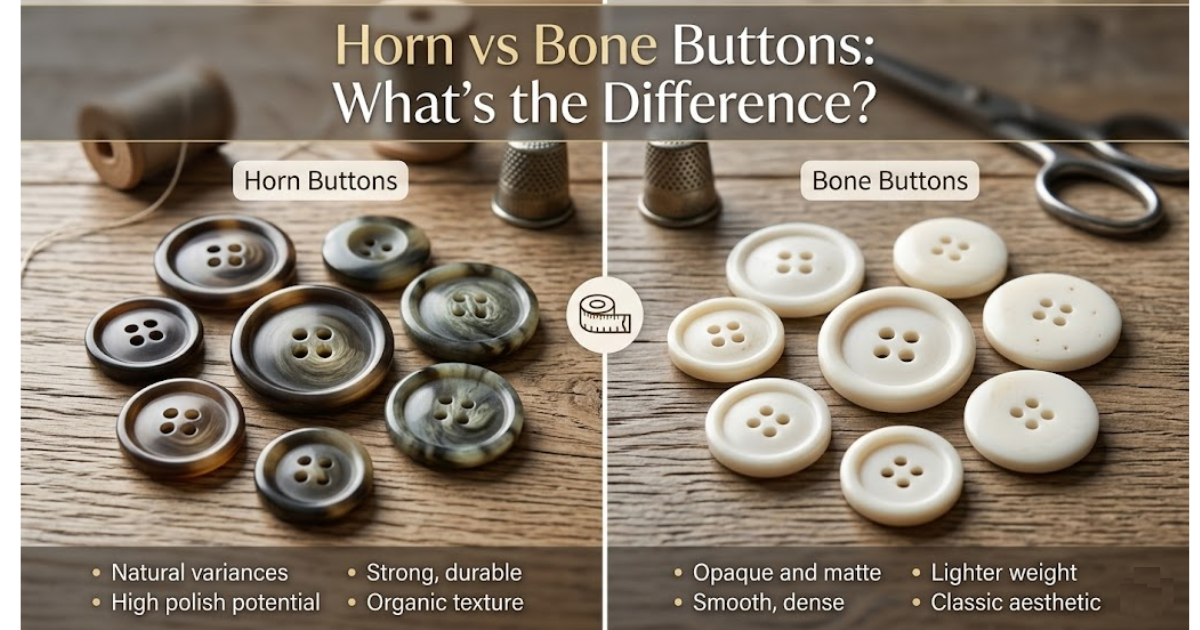
Horn and bone, these materials offer natural texture and strength, making them common in premium garments and outerwear.
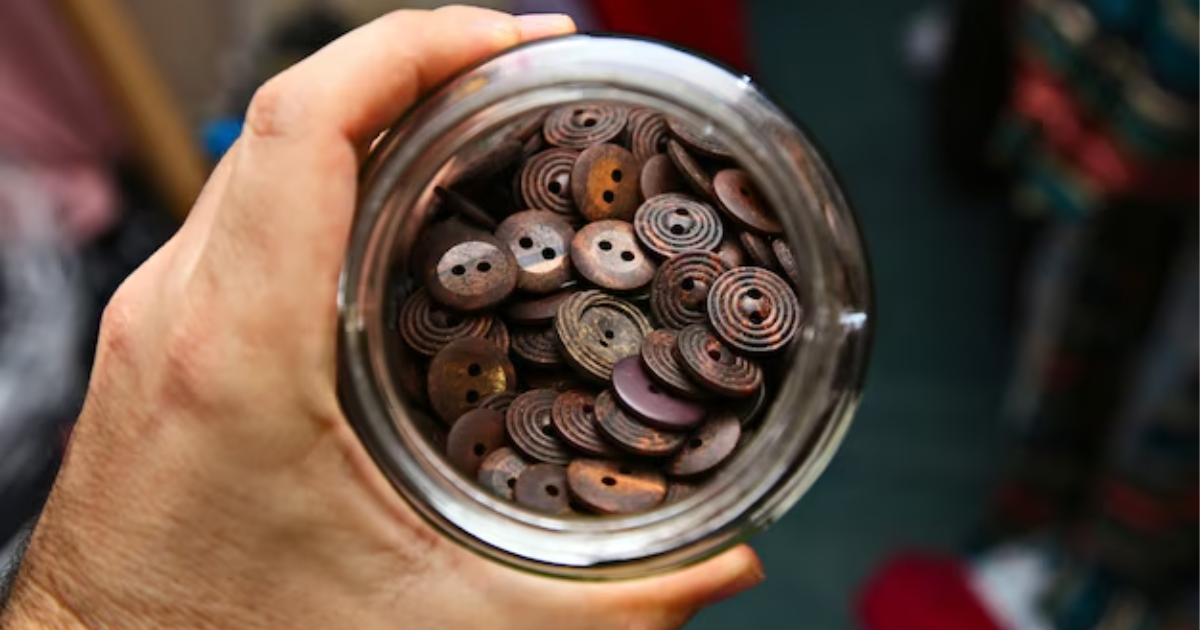
Coconut Shell Coconut buttons provide a rustic appearance and are frequently used in casual wear and resort fashion collections.
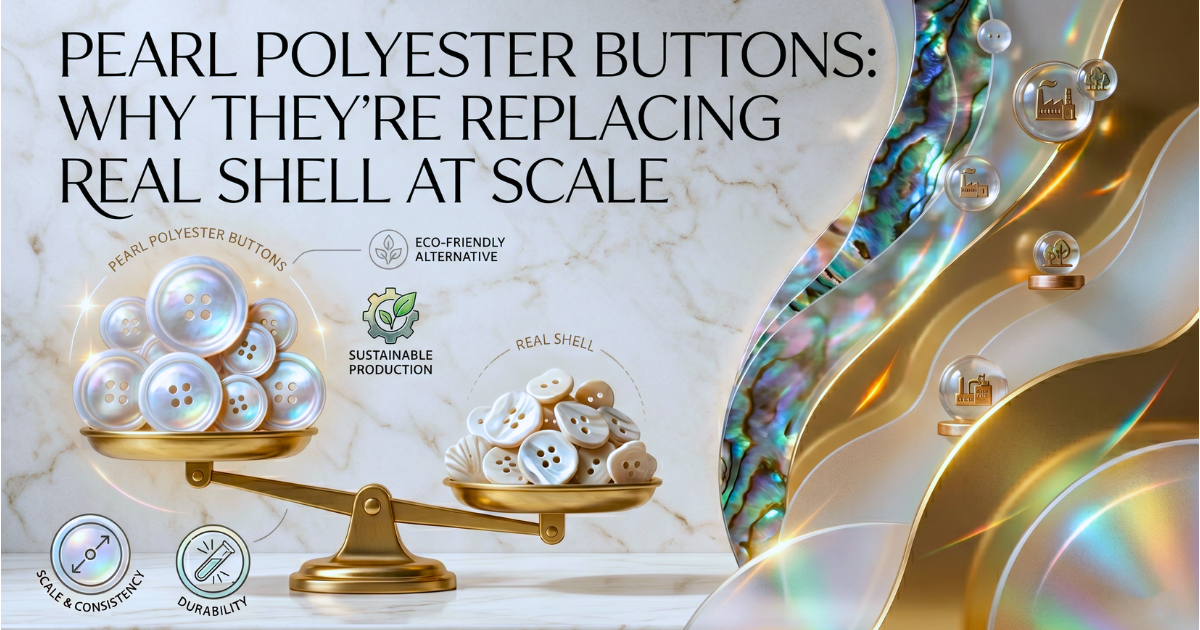
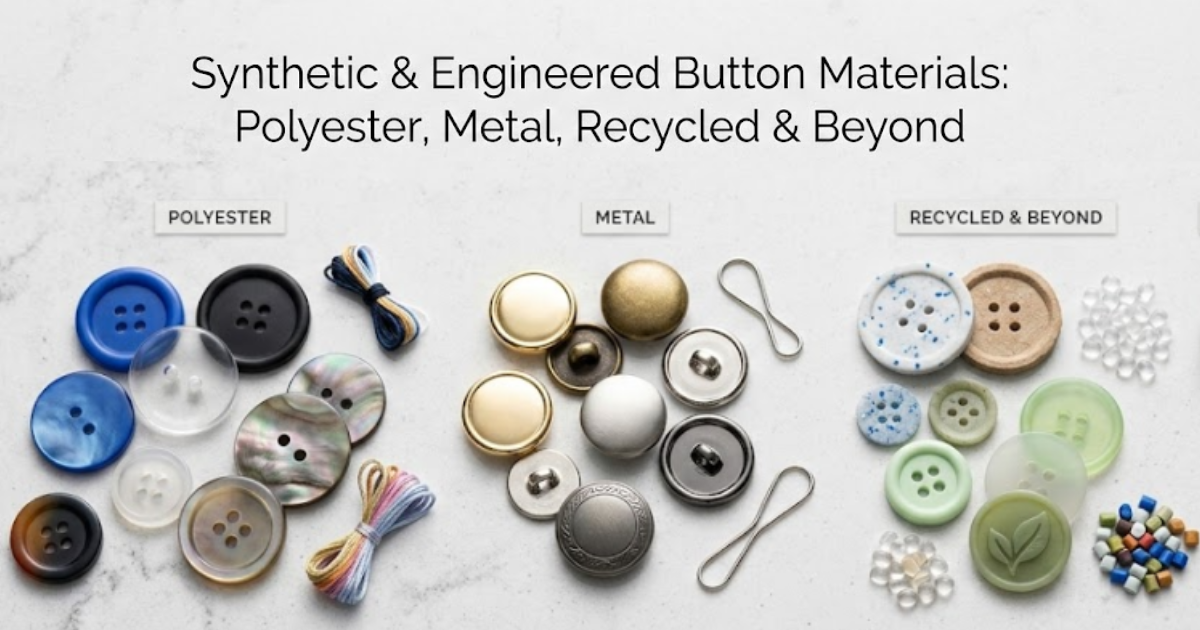
Alongside natural materials, recycled and bio composite polymers are also gaining traction. These materials allow brands to maintain durability and color consistency while reducing dependence on virgin plastic. Our Reforme range is one example, converting non-recyclable manufacturing waste into usable button compounds.
Sustainability regulations are also influencing material selection. Policies such as the upcoming Digital Product Passport will require brands selling in Europe to document the materials used in each garment component, including trims like buttons.
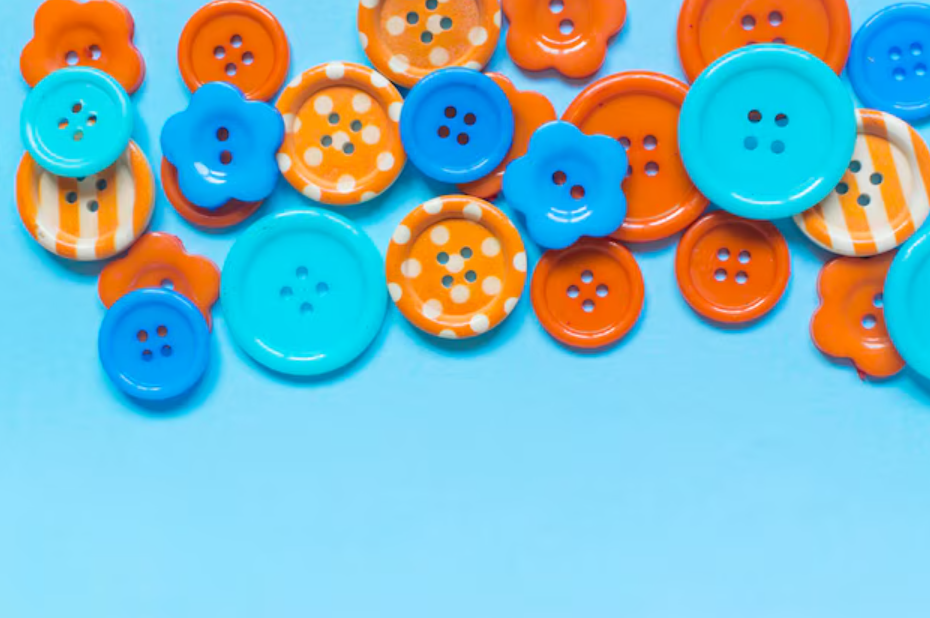
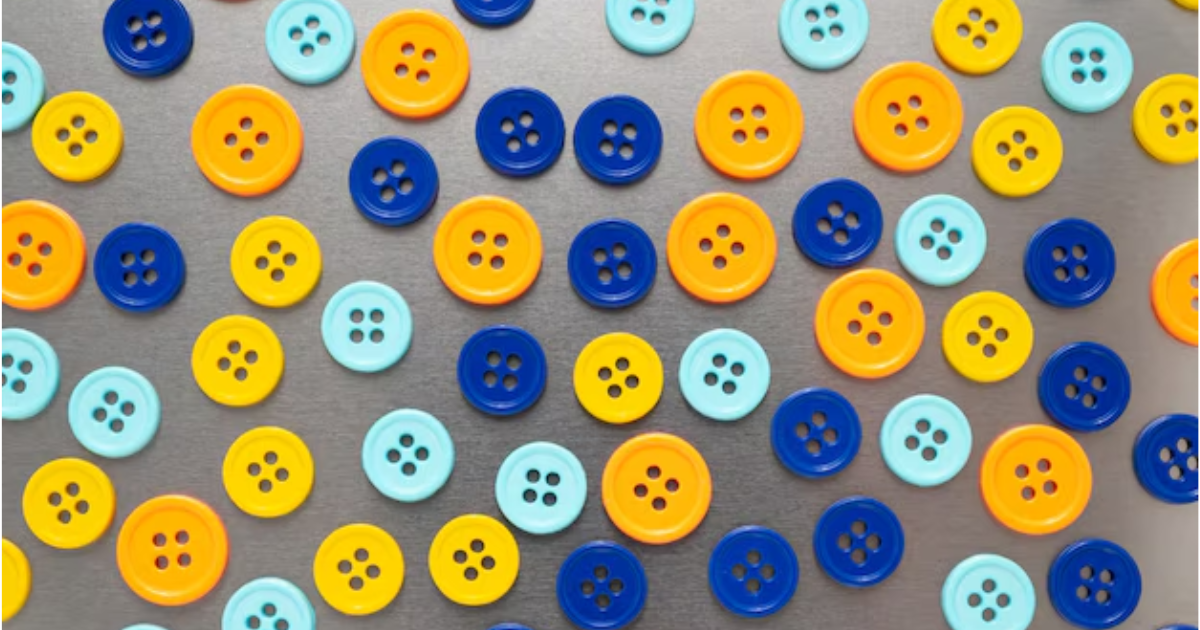
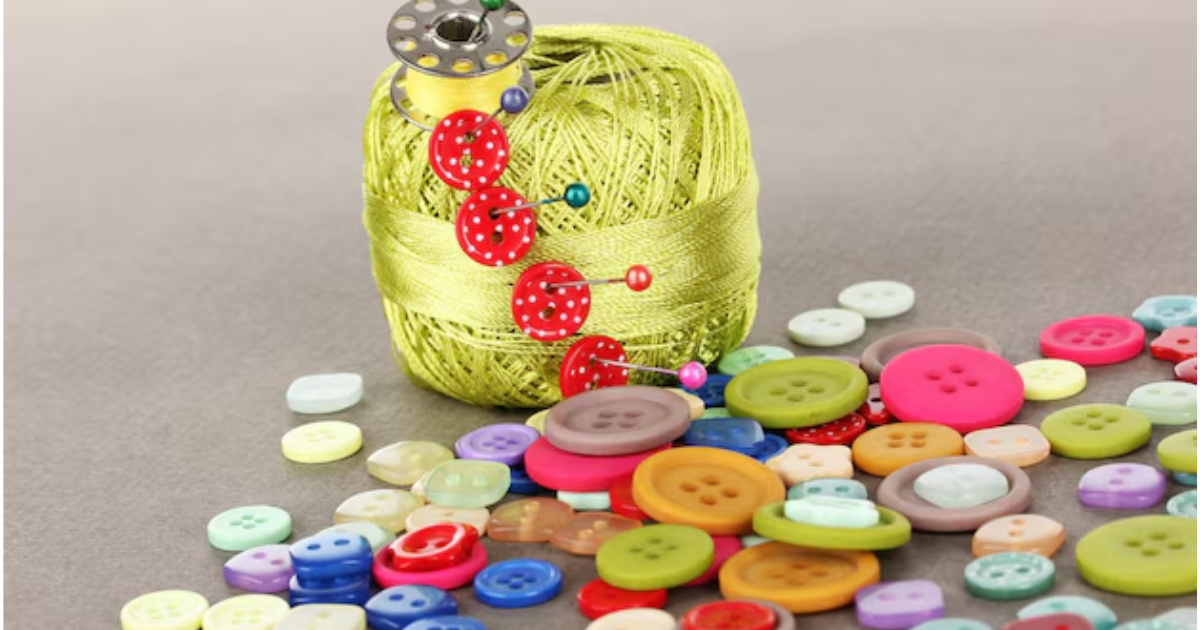
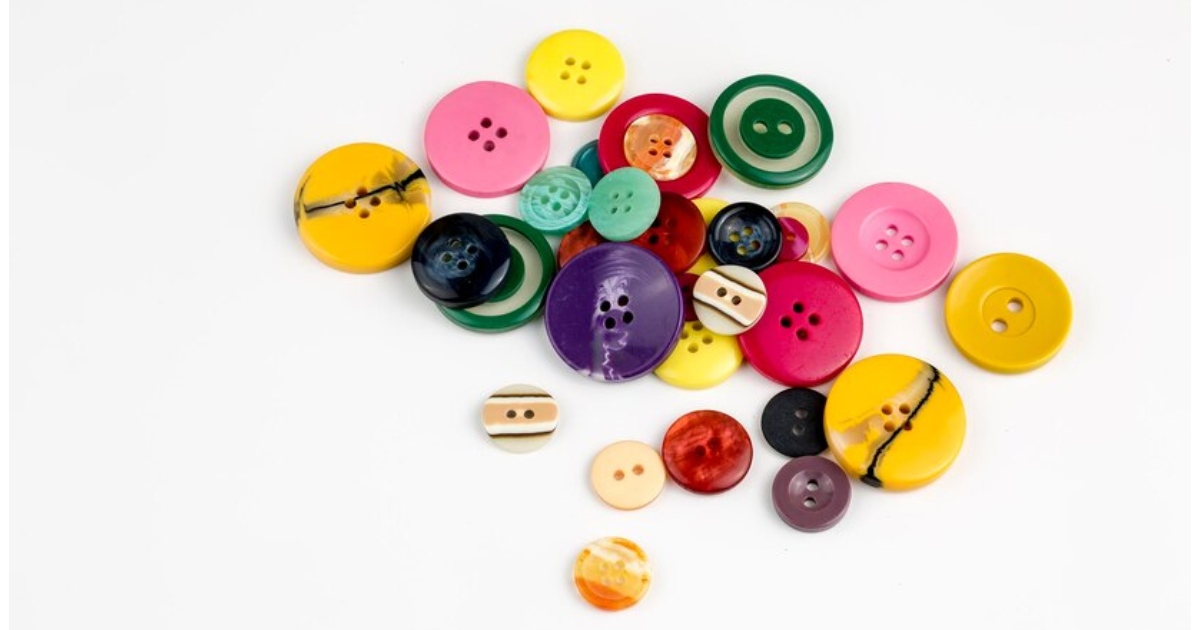
Color trends in fashion for 2025 and 2026 are shifting toward stronger and more saturated shades. Designers are increasingly using buttons as color accents rather than simply matching them to the fabric.
Some of the most requested button colors include:
Many brands now request precise Pantone color matching so that buttons coordinate perfectly with seasonal fabrics.
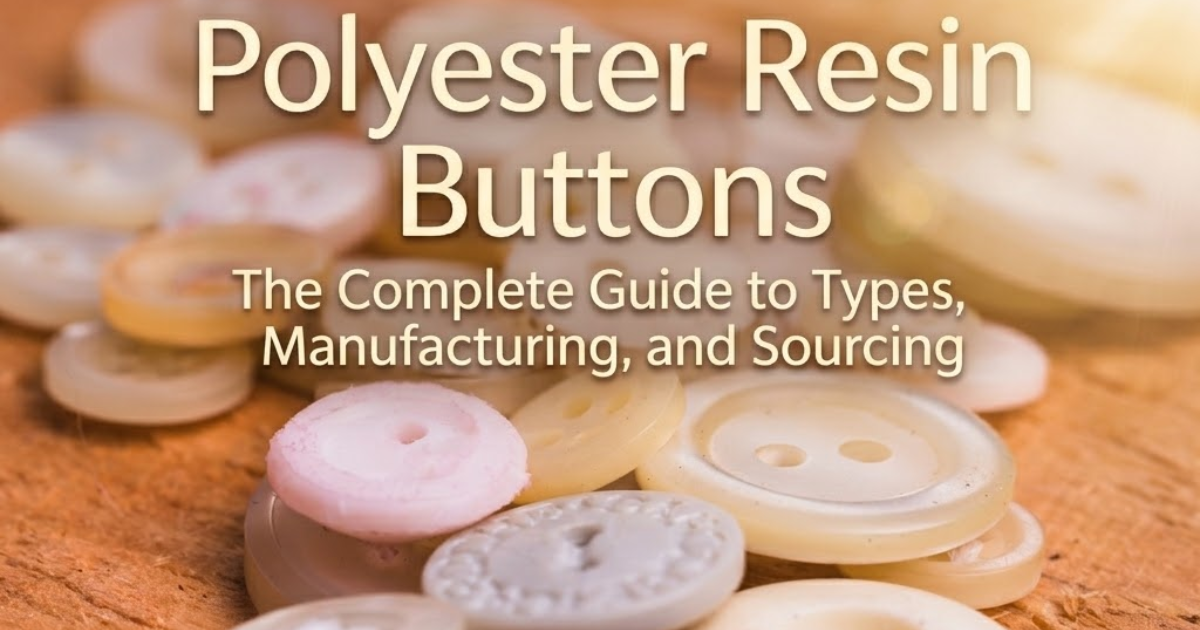
Polyester resin buttons are particularly suitable for color matching because their material structure allows consistent dye results. Natural materials such as corozo can also be dyed successfully, although slight color variations may occur due to natural density differences within the material.
Rather than being a flaw, these variations often add visual depth that enhances the appeal of natural buttons.
Buttons are increasingly being used as statement design elements rather than subtle functional trims. Oversized and sculptural buttons have appeared across many recent fashion collections.
Large buttons are especially common on garments such as:
Designs with domed surfaces, thick rims, and faceted shapes add dimension and visual interest to garments.
Fashion houses such as Prada and Jacquemus have incorporated oversized closures in recent collections, helping popularize this trend across the industry.
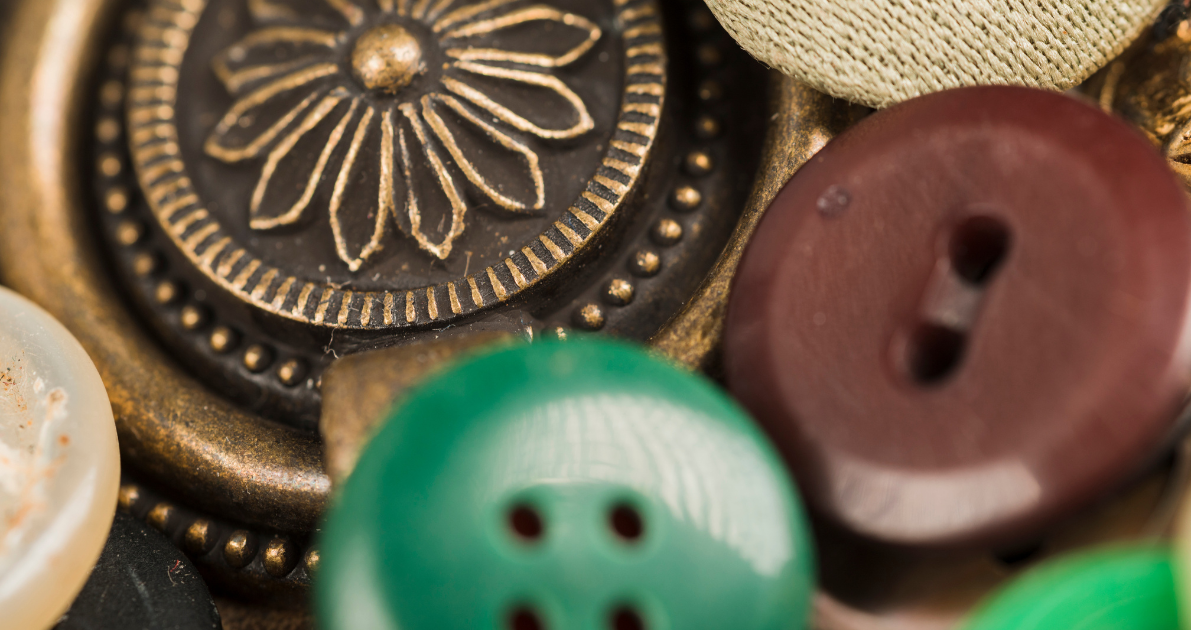
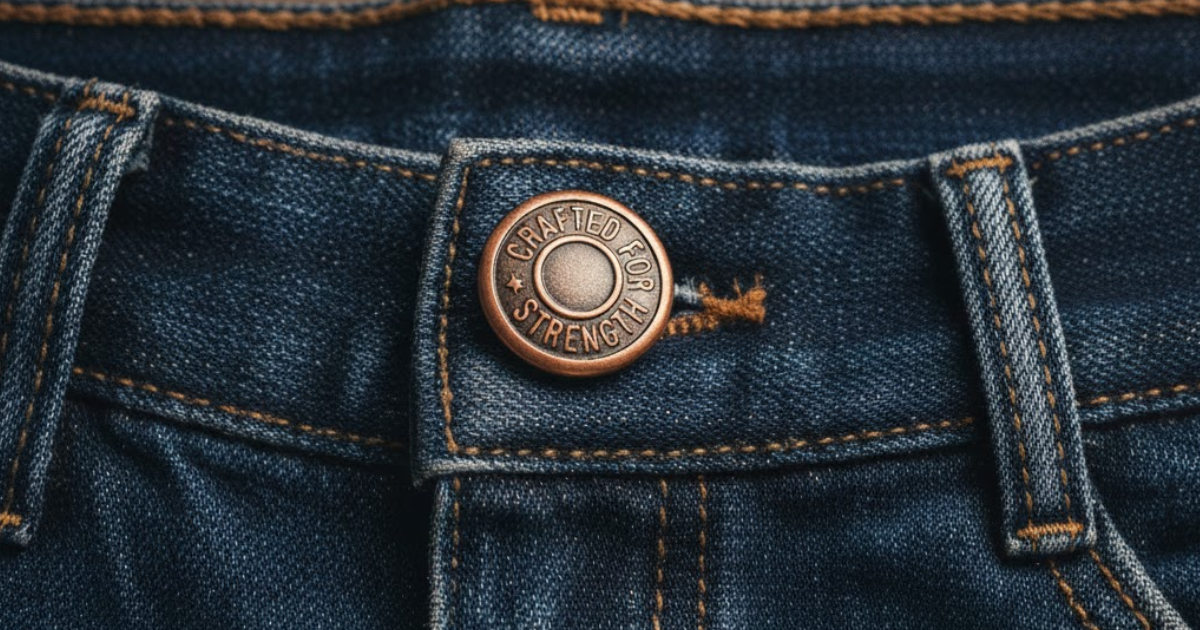
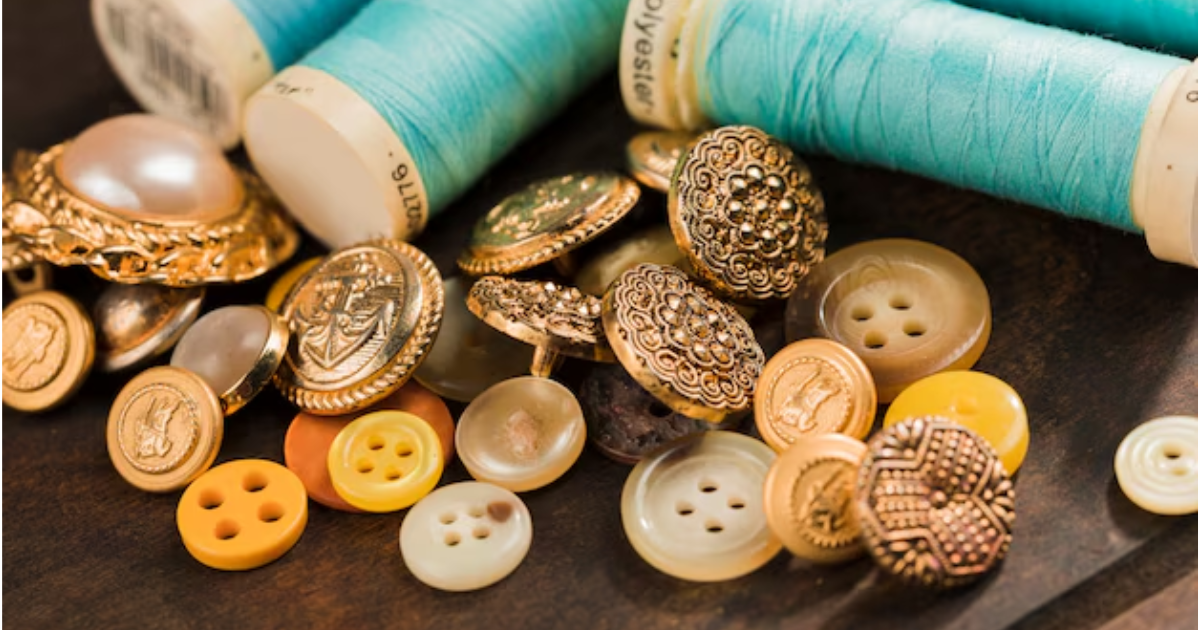
Natural materials like horn and corozo are often used for these designs because they retain strength even at larger sizes. Metal buttons are also popular for oversized trims, particularly in warm toned finishes like brushed brass and antique gold.
Custom button design has become far more accessible thanks to modern manufacturing technologies.
Processes such as CNC milling, laser engraving, and rapid prototyping allow brands to create unique button styles without extremely large production volumes.
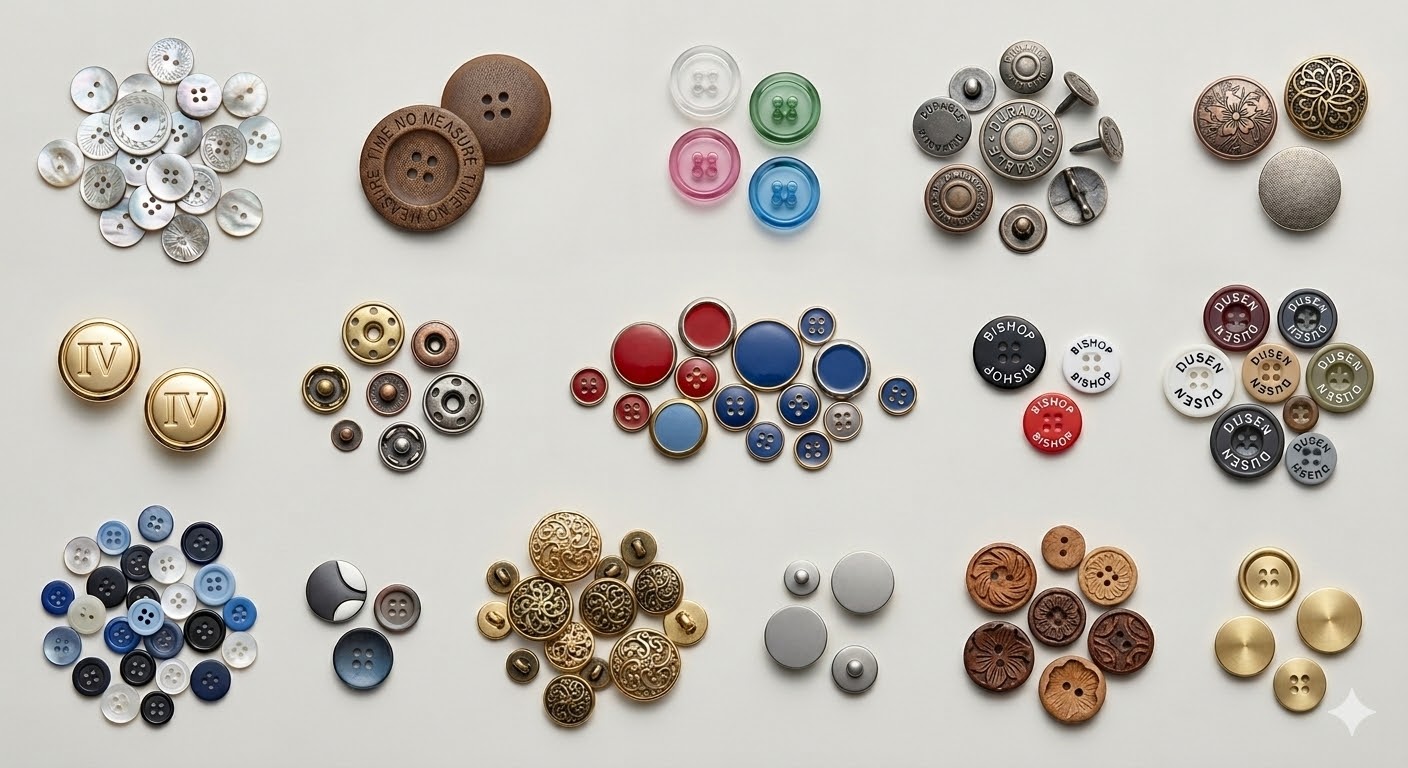
Custom buttons may include:
For many fashion brands, custom buttons are an easy way to differentiate their garments without redesigning the entire product. Even small details like engraved trims can reinforce brand identity and elevate the perceived value of clothing.
As knitwear continues to grow in popularity, button functionality has become an important design consideration.
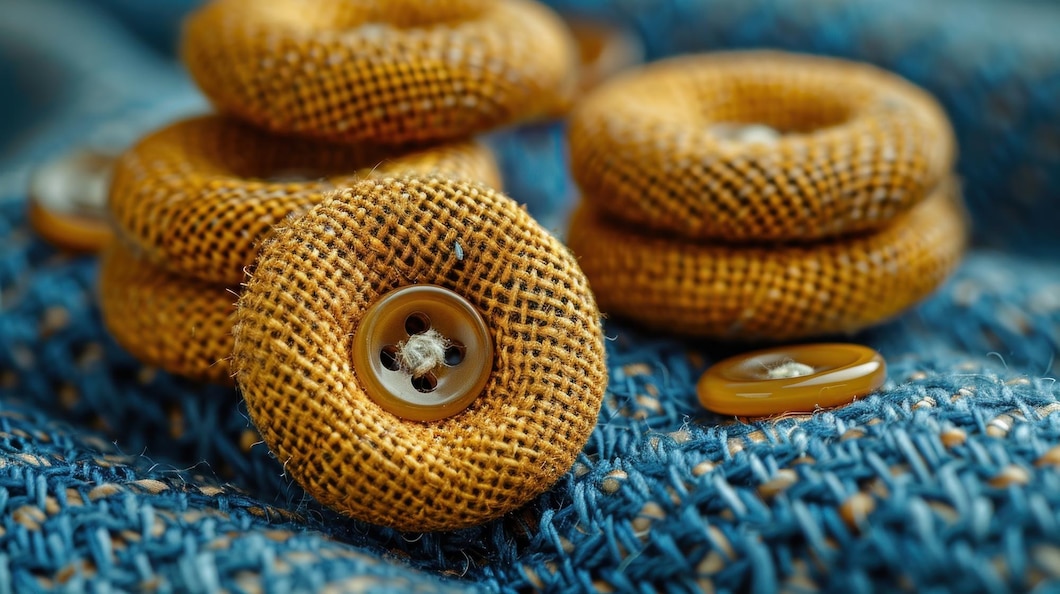
Flat sew through buttons can sometimes catch or distort knitted fabrics when fastened. Because of this, many knitwear garments now use shank buttons.
A shank button includes a small loop attachment on the back that allows the button to sit slightly above the fabric surface. This prevents pulling and helps the garment maintain its shape.
Cardigans, knit polos, and lightweight sweaters increasingly rely on this button style because it protects the structure of knitted fabrics while improving comfort and durability.

Button design will continue evolving as fashion technology and sustainability initiatives progress.
Several developments are likely to shape the next generation of garment trims.
Bio based materials researchers are exploring new plant derived polymers and agricultural waste materials that could replace traditional plastics in garment components.
Recycled trim manufacturing advances in recycling technologies are making it easier to transform industrial waste into usable materials for fashion trims.
Digital product tracking with new regulatory frameworks such as the European Digital Product Passport, brands will increasingly track the material origin and lifecycle of every component used in a garment.
These innovations suggest that buttons will play an even greater role in the future of sustainable fashion design.
Natural materials such as corozo, horn, and coconut shell are gaining popularity due to their durability and biodegradable properties. Recycled polymer buttons are also becoming common as brands look for sustainable alternatives to plastic trims.
Yes. Many designers are shifting toward matte and semi polished finishes because they highlight the natural texture of materials and create a more refined aesthetic.
Bold colors such as cobalt blue, cherry red, and deep green are trending alongside warm neutral shades like cream and mocha.
Oversized buttons create visual impact and allow designers to use trims as statement elements in garments such as coats and blazers.
Yes. Modern manufacturing technologies allow custom button development at lower minimum order quantities, making bespoke trims accessible to smaller fashion brands.


.svg)


.svg)



.jpg)




.jpg)

%20(1).jpg)

.jpg)




.jpg)


.jpg)


.jpg)
.jpg)


.jpg)

.jpg)


