.webp)


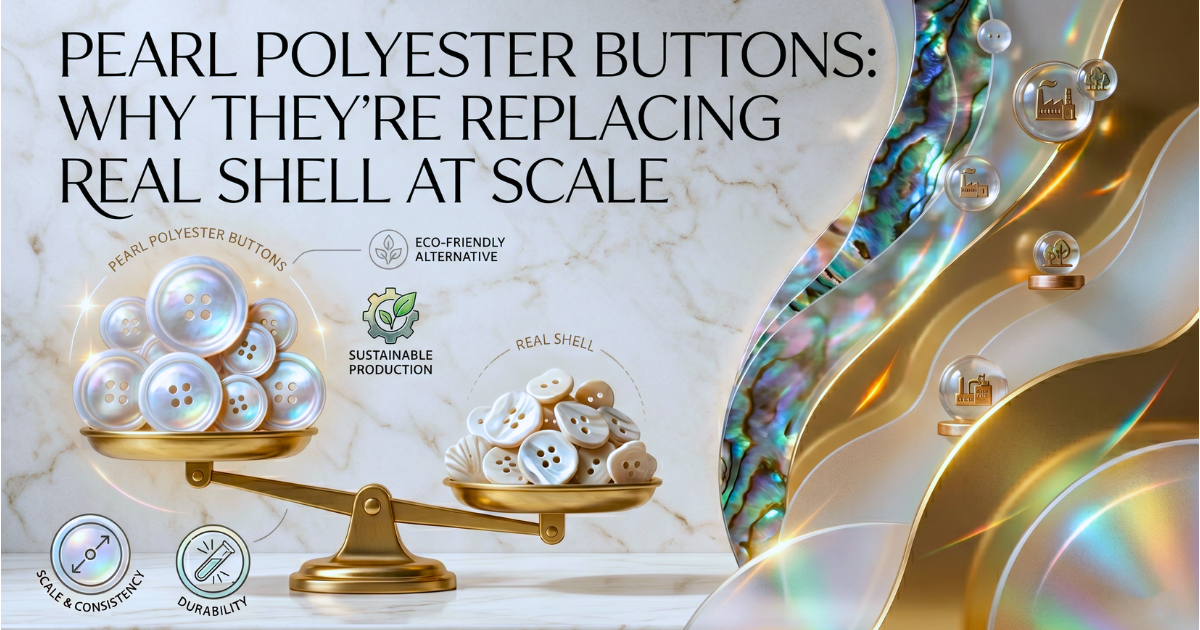
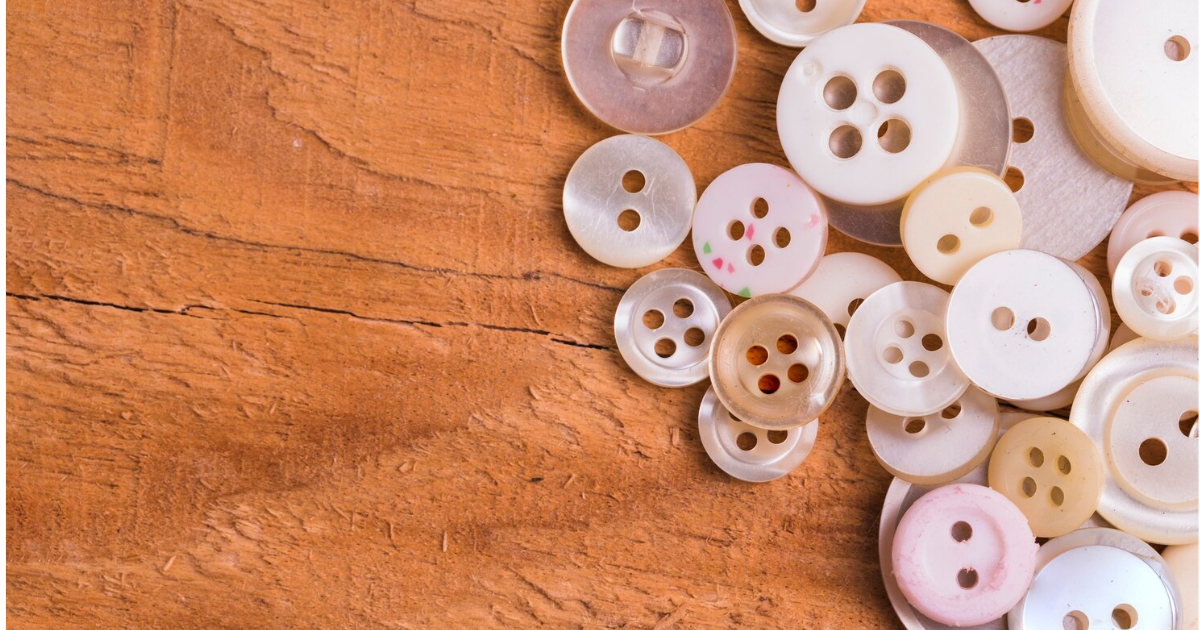
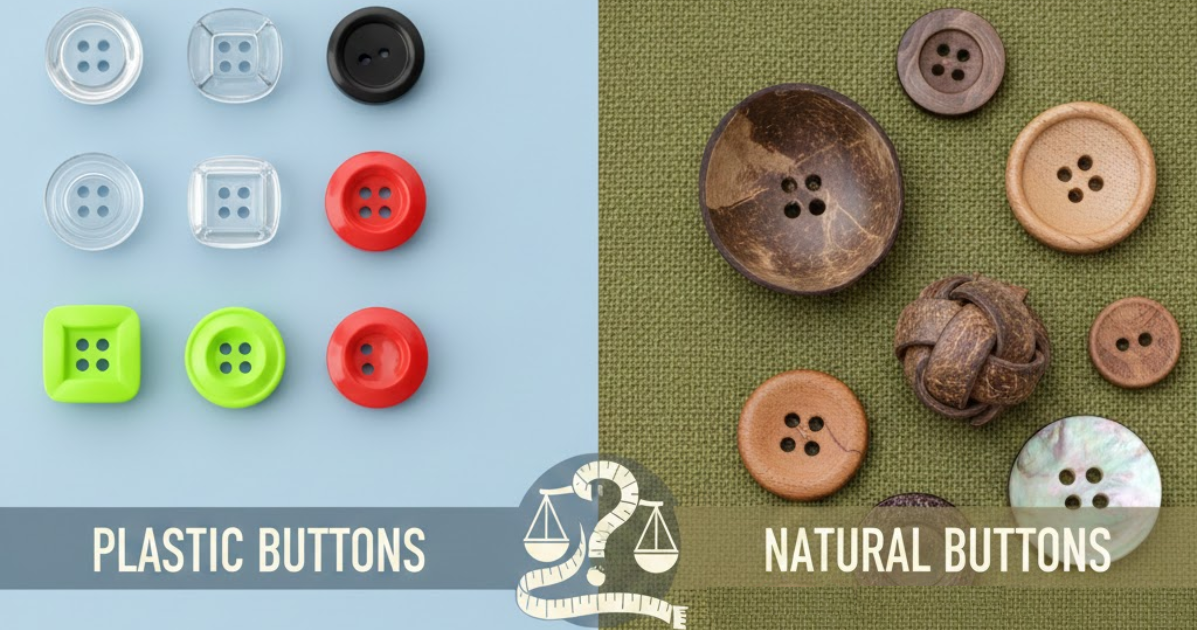
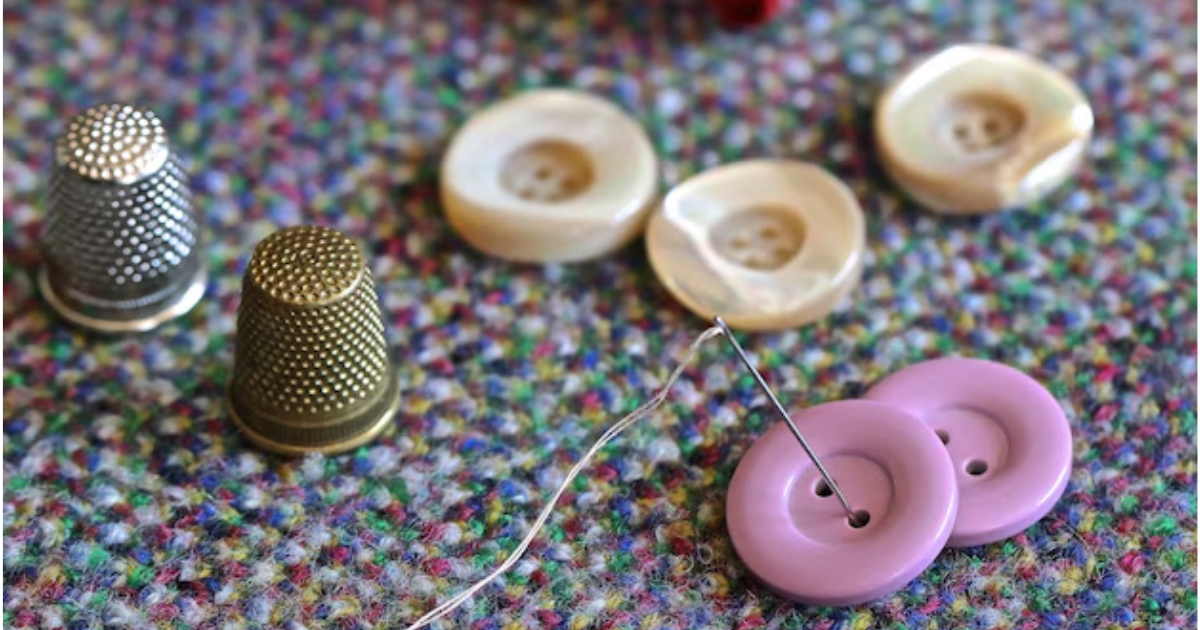
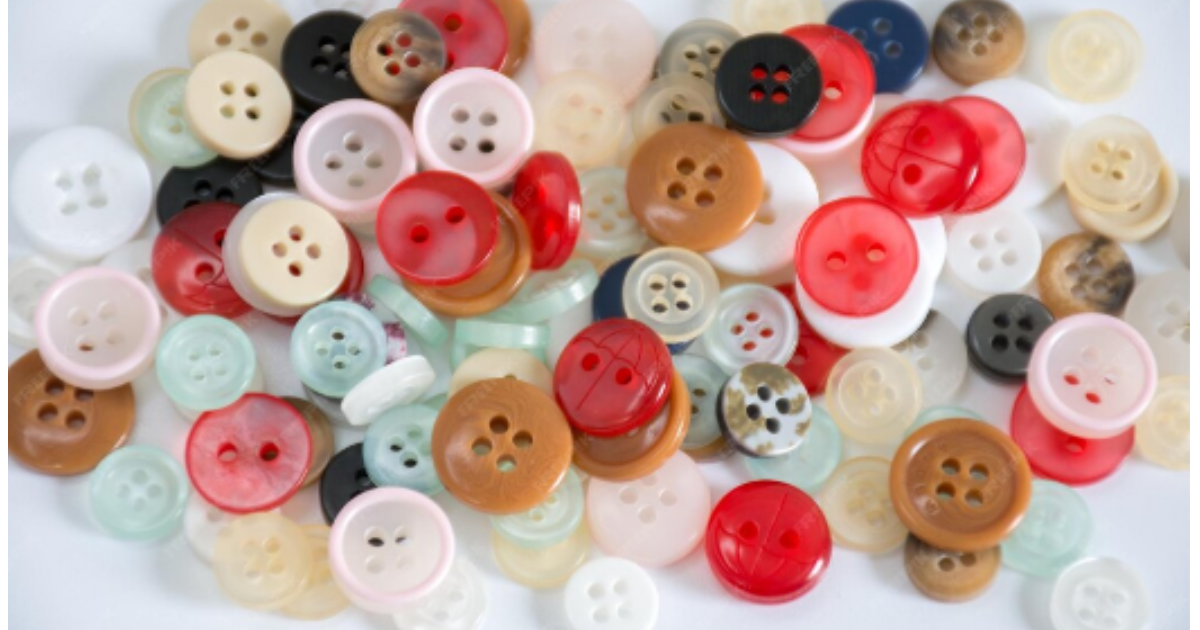
Look closely at most shirts in your wardrobe. The buttons look like mother-of-pearl. They shimmer like mother-of-pearl. But almost none of them are real shell.
Over the last few decades, pearl polyester buttons have quietly taken over from natural shell across most of the garment industry. Not because they're cheaper (though they are). The real story is more interesting than that.
This guide explains what pearl polyester buttons are, and why so many brands, from mass market to premium, made the switch.
We've been casting pearl polyester at Chetna International since the early years of our SURYA brand, which was built around imitation shell as its core product. We've watched this shift happen across our own customer base. Here's the honest story behind it.
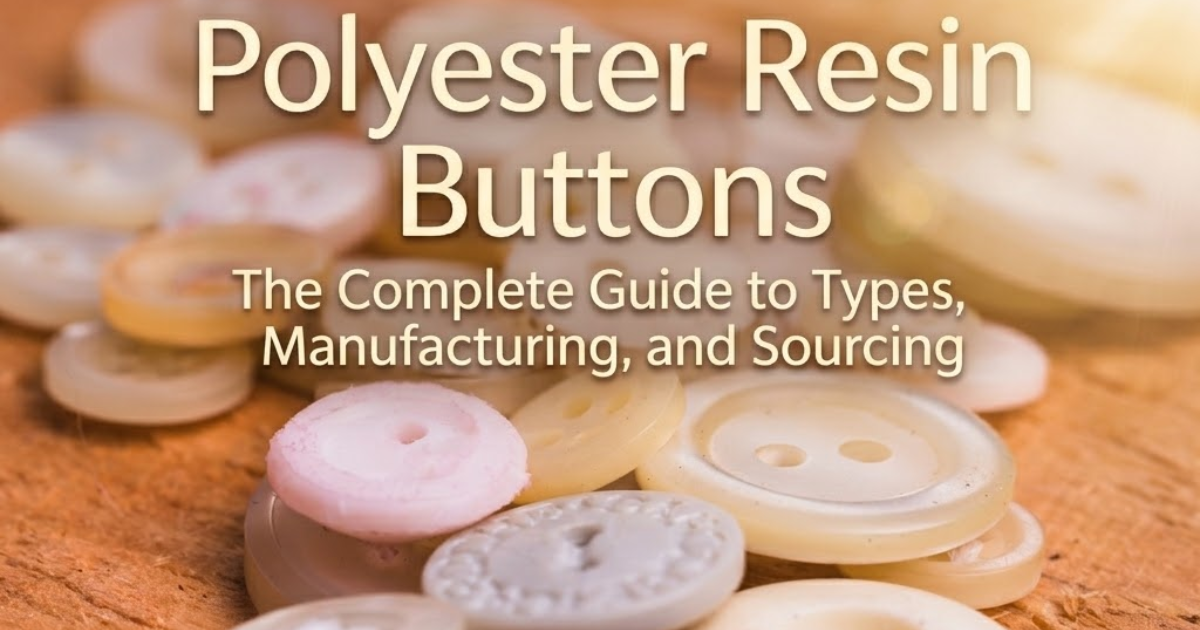
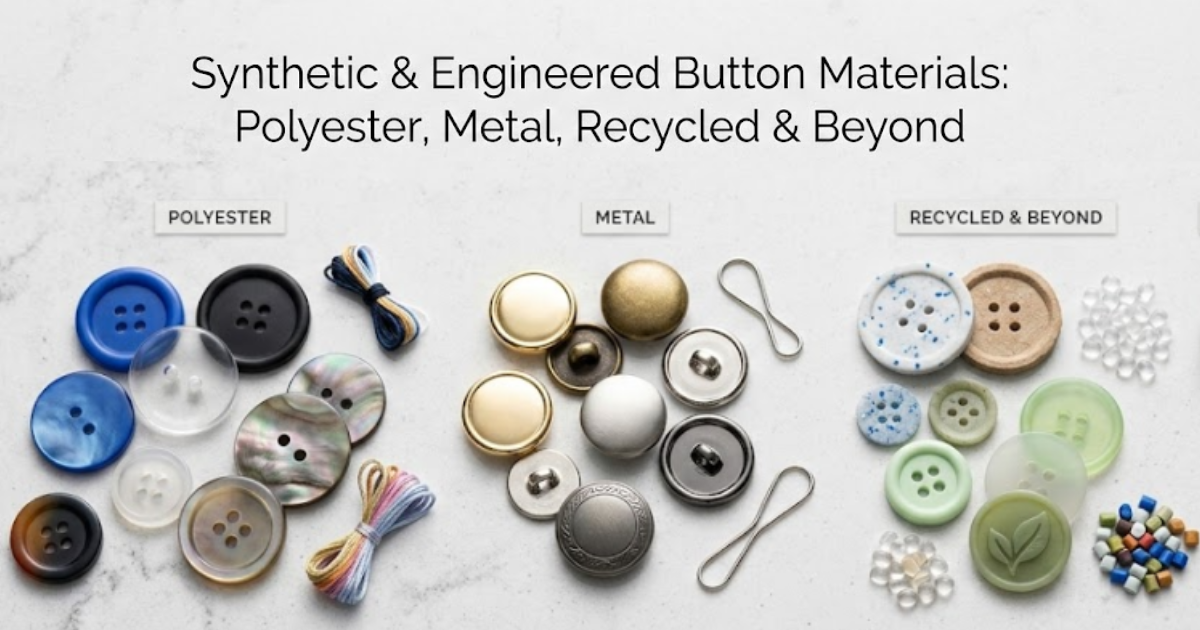
Pearl polyester buttons are resin buttons made to look like real mother-of-pearl.
The material is unsaturated polyester resin, the same base used for most modern shirt buttons. What makes it "pearl" is a specific additive: tiny mica flakes coated with titanium dioxide or iron oxide. These flakes reflect light in overlapping layers, which is exactly how real nacre creates the shimmer in oyster and mussel shells.
The pearl effect isn't painted on the surface. It's mixed into the resin before the button is shaped. So the shimmer runs through the entire button, not just the top.
That single detail is what makes pearl polyester a genuine replacement for shell, and not just a cheap imitation.
To understand why it replaced shell, you first need to understand how it's made.
The process starts with mixing. Polyester resin, pearl pigments, colour tints, and a few chemicals that help the resin cure go into a controlled mixing stage. Temperature and humidity matter here. Get them wrong and the batch fails.
Then comes casting. We pour the pigmented resin into spinning drums. The centrifugal force pushes the mix outward into flat sheets, around 2 to 4mm thick. Once set, we punch button shapes out of the sheet.
For thicker buttons, the same resin mix goes into long cylindrical moulds. These become rods, which get sliced into discs and shaped on automatic turning machines.
The whole process is controllable. That's the key. Every variable, from pigment ratio to curing time to flake size, can be repeated exactly. Which is something real shell can never offer.
More on the mechanics in our polyester resin buttons guide and casting process page.
The shift from natural shell to pearl polyester isn't really about cost. It's about five specific problems that real shell creates for modern garment production.
Every piece of mother-of-pearl is slightly different. Different oyster, different age, different section of the shell. For a handmade bridal dress with eight buttons, that variation is charming. For a retail shirt program producing 50,000 units that all need to look identical on a rack, it's a serious problem.
Pearl polyester solves this completely. Button #1 and button #100,000 come out identical because they're cast from the same controlled recipe.
Real shell is surprisingly fragile under repeated hot washing. Oyster shell tolerates gentle care well, but industrial laundry cycles (high temperature, aggressive detergent, heavy agitation) crack it over time.
Pearl polyester handles machine washing up to 80°C without warping, fading, or yellowing. For uniforms, hotel linens, and retail shirts that get washed hundreds of times, this alone justifies the switch.
What most people don't realise is that a lot of shell buttons break during manufacturing, not during wear. Automated button-fixing machines apply significant pressure. Thin shell cross-sections can't always take it.
Every broken button during production is wasted material, wasted labour, and a delayed order. Pearl polyester almost never cracks at this stage.
Shell comes in the colours nature made it. A brand wanting its exact Pantone shade across the placket has no option with real mother-of-pearl.
Pearl polyester can be tinted to match any shade. Warm ivory, cool white, smoke grey, soft pink, or a specific brand code. The pigment just gets adjusted before casting.
Natural shell depends on fisheries, environmental conditions, and shell stock cycles. A poor harvest season means delayed orders and price spikes.
Pearl polyester resin is produced year-round at stable pricing. For a brand planning a 12-month production calendar, predictability matters more than the occasional romance of natural material.
We make both, so we'll be honest. Pearl polyester isn't the answer for every garment.
Real shell still wins for luxury bridal, Savile Row-style shirting, and hand-finished premium knitwear. When a customer is paying a premium for natural materials as part of the product's story, the extra cost and handling care are worth it. The visual depth of real nacre genuinely can't be fully replicated.
Shell also wins when a brand markets "natural only" as a core value. If that's your positioning, look at our Indian River Shell buttons instead.
But for everything outside that premium natural-luxury space, pearl polyester has quietly become the standard. Not because it's a compromise, but because it solves the actual problems modern garment production creates.
Not all pearl polyester is the same. A few quick checks:
Mainly because real shell can't be colour-matched across big orders, doesn't survive industrial washing, and cracks during automated production. Pearl polyester solves all three problems.
For most commercial garments, yes. For luxury bridal and premium natural-material positioning, real shell still has a place.
No. The pearl pigment is mixed into the resin before casting, so the shimmer runs through the entire button. Scratching won't reveal plain plastic underneath.
Real shell feels cooler to the touch and varies between buttons. Pearl polyester feels warmer and matches perfectly across a batch. Up close, real shell has slightly more depth.
Good pearl polyester doesn't. The mica pigment creates a genuine iridescent effect that's close to real nacre. Cheap versions with surface-only coatings do look plastic.
Standard items ship from stock. Custom pearl colours typically need 10,000 to 20,000 pieces minimum. Contact our team for exact numbers.
No. In our production, recycled PET resin is processed to the same specification as virgin. Durability and appearance test identically.
The shift from real shell to pearl polyester isn't about buttons getting cheaper. It's about solving five real problems: colour consistency, wash durability, production breakage, Pantone matching, and supply reliability.
For most of the garment industry, pearl polyester isn't a downgrade. It's a better fit for how clothes actually get made and used today. Real shell still has its place at the luxury end, but across commercial shirting, knitwear, uniforms, and kidswear, pearl polyester has earned its dominance.
If you'd like to see samples or compare pearl polyester against real shell, get in touch with our team or explore our material catalog.


.svg)


.svg)

.jpg)




.jpg)

%20(1).jpg)

.jpg)




.jpg)


.jpg)


.jpg)
.jpg)


.jpg)

.jpg)


