.webp)


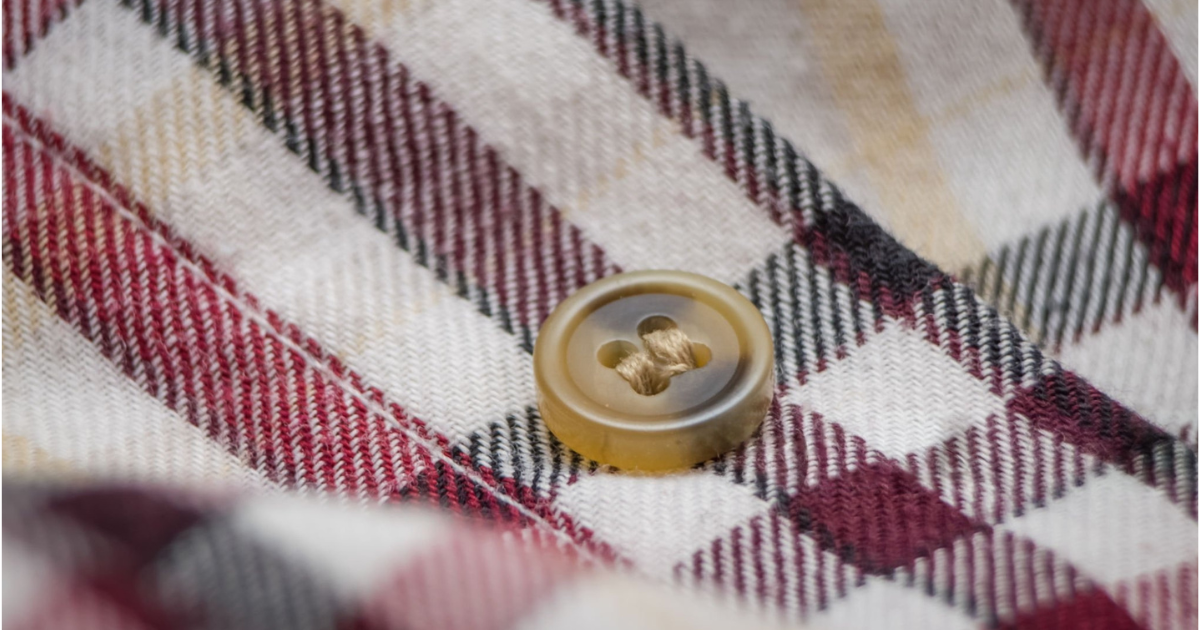
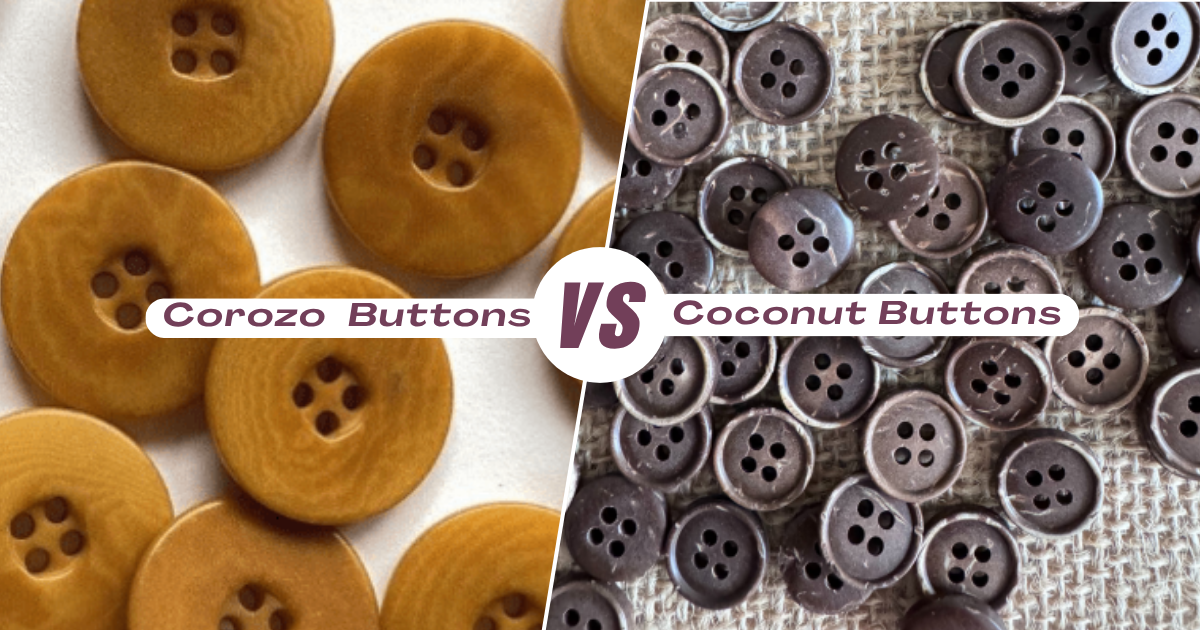
Most natural button materials fight you on color. Horn takesdye unevenly. Bone resists dark shades. Coconut shell is too dense and dark toabsorb much pigment at all. Corozo buttons are the exception. The tagua nut'scellular structure actually pulls dye inward, producing saturated, lastingcolor that no other natural material can match.
We've dyed thousands of corozo batches at ChetnaInternational's natural materials factory since 1984. The process looks simplefrom the outside. The science behind it, and the things that go wrong when yourush it, are anything but.
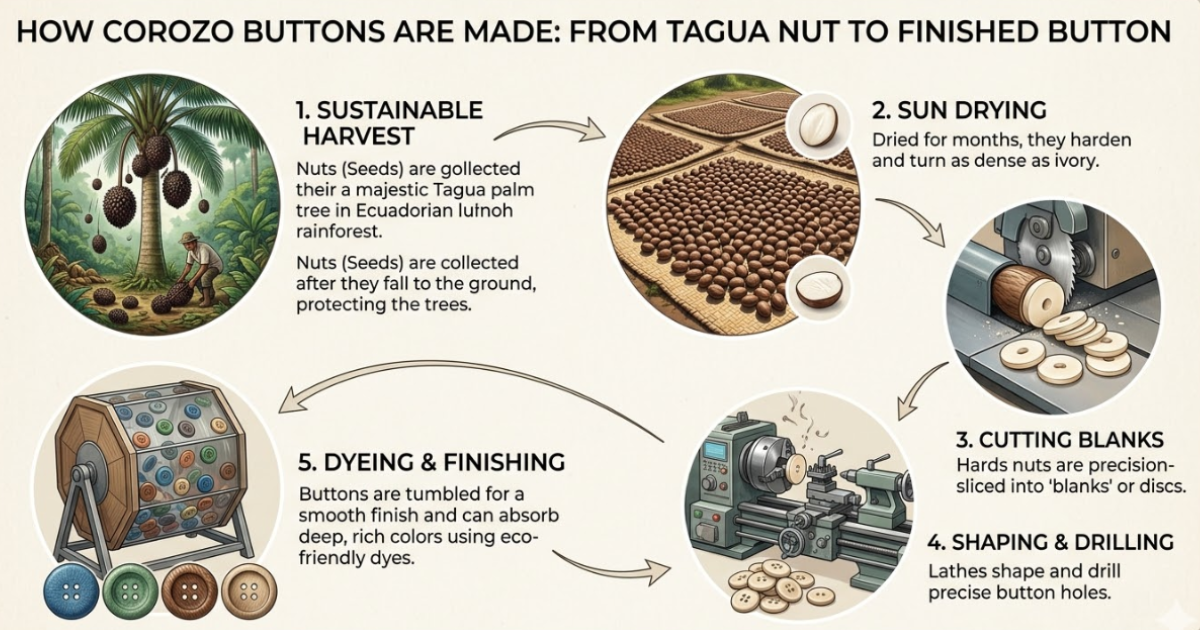
Corozo is the dried endosperm of the tagua palm seed(Phytelephas macrocarpa). Under a microscope, it's made up of tightly woundorganic cellulose fibers with a density around 1.4 g/cm³. That structure iswhat makes it look and feel like ivory. It's also what makes it such a goodcandidate for dyeing.
The key is porosity. Those cellulose fibers createmicroscopic channels throughout the material. When a corozo blank is submergedin a heated dye bath, pigment doesn't just coat the surface. It moves intothose channels, bonding with the organic fibers at depth.
Run your thumbnail across a well-dyed corozo button and youwon't scratch through to white underneath. That's deep penetration, not surfacepainting. It's the single biggest reason luxury fashion houses choose corozoover painted or lacquered alternatives for premium garments.
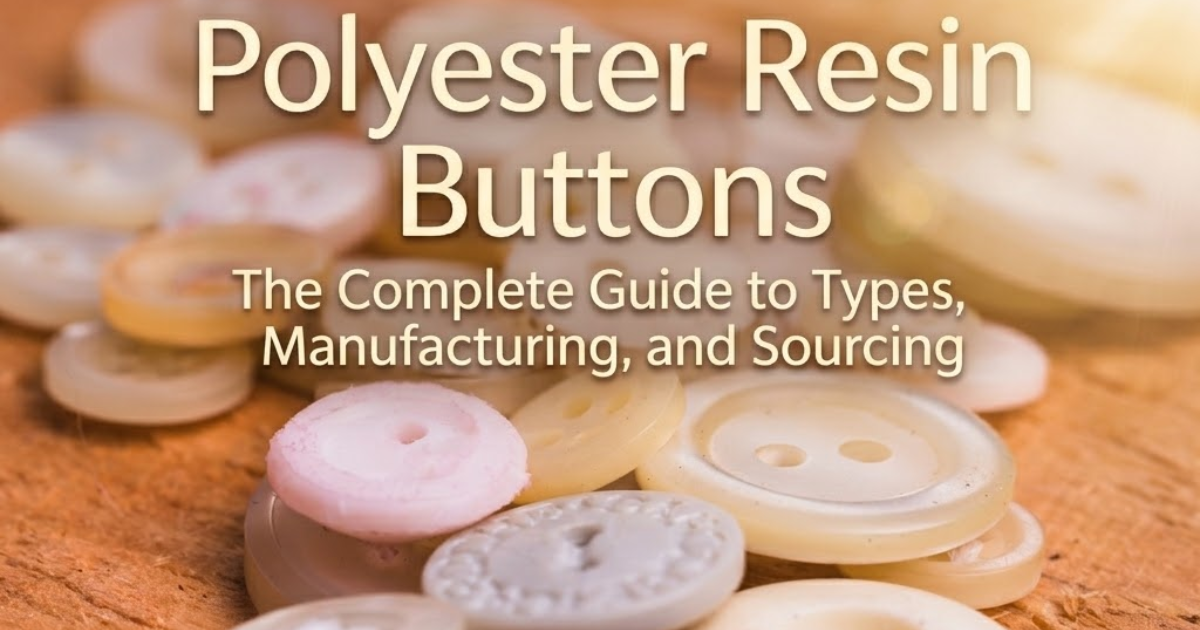
Compare that to polyester resin buttons, where color iseither mixed into the resin before casting orapplied as a surface dye. The color is consistent, yes. But it sitsdifferently. It doesn't have the organic depth that corozo provides.
The dyeing processfor corozo follows a specific sequence. Skip a step or cut the timing short andyou'll end up with buttons that bleed, fade, or show patchy color after thefirst wash.
Before any dye touches the material, corozo blanks need tobe properly turned and cleaned. Residual oils, dust from the turning process,or inconsistent moisture content across a batch will all affect how evenly thedye absorbs. We inspect blanks for cracks and density variations before they gointo the dye bath, because a hairline fracture that's invisible dry becomes adark streak once dye pools into it.
Corozo buttons are dyed by immersion in heated dye baths.Temperature control matters more here than with synthetic materials. Too hotand the tagua nut structure can stress, leading to micro-cracks that show upweeks later. Too cool and the dye won't penetrate past the first fraction of amillimeter.
The blanks soak until the color reaches the target depth.Darker colors take longer. Black corozo buttons, for example, spendconsiderably more time in the bath than a light cream or natural tan. The dyetype matters too. Low-impact dyes and plant-based dyes are increasingly commonfor brands building sustainablebuttons into their supply chain story.
After the dye bath, buttons need controlled drying. Thisisn't just setting them out on a rack. Drying too fast causes surface tensionthat can crack the material or create uneven color as moisture leaves the outerlayers before the core.
We dry corozo buttons gradually to prevent exactly that. Thefinal moisture content of the button affects both color stability and long-termdurability. Once dried, buttons move to polishing,which brings out the final color depth and creates the surface sheen.
The Corozo Color Range
One of the questions we get most often from designers andprocurement teams: what colors can corozo actually do? The short answer isnearly anything. The longer answer involves some trade-offs worthunderstanding.
Colors That Work Best
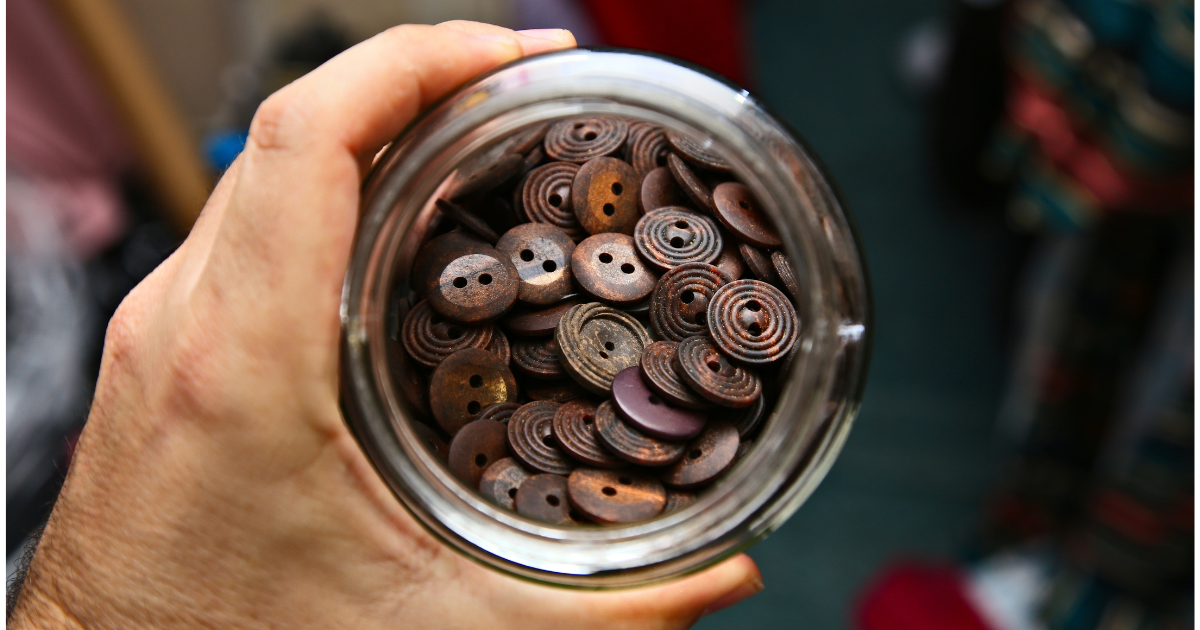
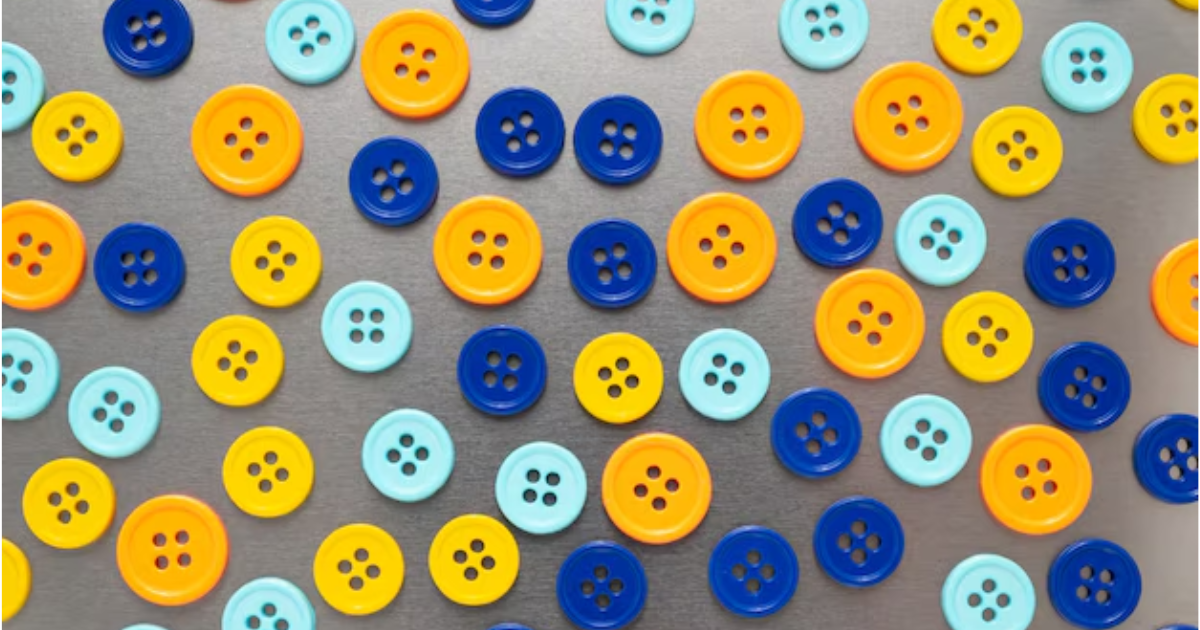
Corozo excels at warm, rich tones. Deep browns, burgundies,navy blues, forest greens, and classic black all look stunning in thismaterial. The natural grain of the tagua nut (that fingerprint-like patternunique to each button) shows through the dye, adding visual texture thatsolid-color synthetics can't replicate.
Earth tones are where corozo is at its most natural.Caramel, chocolate, olive, rust, and charcoal all complement the material'sorganic character. These colors tend to absorb the most evenly and show theleast batch variation.
Colors That Need Extra Attention
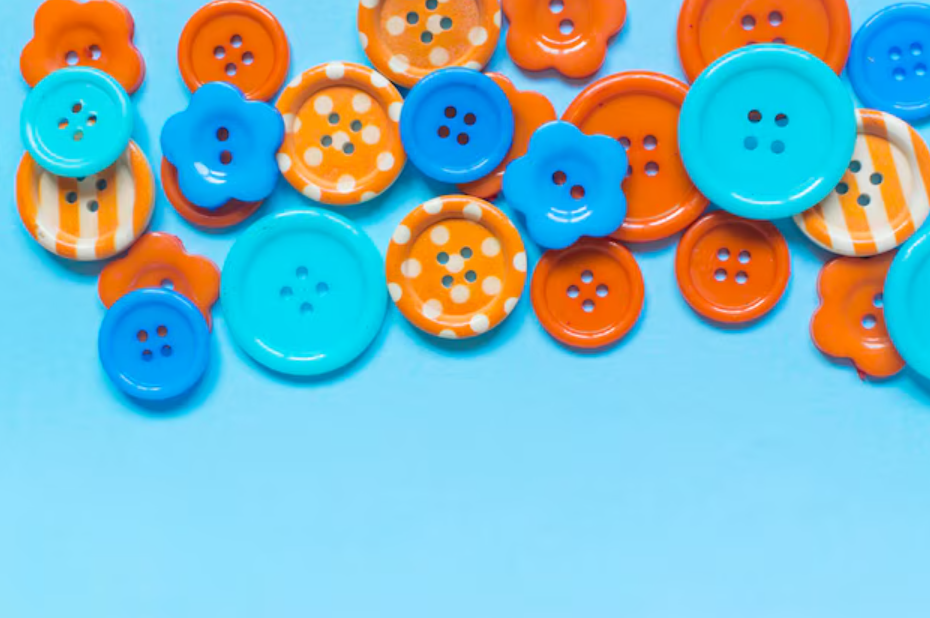
Bright, saturated hues like cherry red, electric blue, orvivid orange are absolutely possible. But they require more precise dyeformulation and longer bath times. The natural warm undertone of tagua nut canshift the final color slightly, so a true cool-toned red needs a differentformula than you'd use on polyester.
Pastel and very light shades are the trickiest. The taguanut's natural ivory base helps here (it's not fighting a dark starting colorlike coconutshell), but achieving consistent light pink or pale lavender across5,000 buttons takes careful attention to dye concentration and soak time.
Natural and Undyed Options
Plenty of designers use corozo in its natural state. Undyedtagua nut ranges from creamy white to pale ivory, depending on the nut's originand drying conditions. Natural corozo has an understated elegance that works onlinen, cotton, and raw silk garments.
One thing to know: undyed corozo will darken slightly overtime, especially with exposure to sunlight. It's a natural aging processsimilar to how wood patinas. Some designers consider this a feature. If yourclient expects the buttons to look identical five years from now, a light dyeor sealant is worth considering.
Color Matching for Garment Production
Color matching is where the conversation shifts from designto production reality. Getting a single corozo button to match a fabric swatchin a showroom is easy. Getting 10,000 buttons to match that swatch across afull production run is the actual challenge.
Most garment brands specify button colors using Pantonereferences. We can match any Pantone shade on corozo, but the result won't lookidentical to the same Pantone on a polyester button or a painted metal snap.The material itself changes how color reads.
Corozo has depth. Light passes through the surface slightlybefore reflecting back, which gives dyed corozo a warmer, more organic qualitythan flat-surface materials. A navy blue Pantone reference on corozo will readas navy, but with a richness that a flat swatch can't capture. This is usuallya good thing. But it means physical samples matter more than digital colorreferences.
We always recommend a sample run before committing to fullproduction on a new color. The sample lets you see how the Pantone targettranslates onto the specific corozo grade, button profile, and finish you'reusing. A matte-finished button reads differently from a high-gloss one, evenwith the same dye formula.
Sampling also catches natural variation early. Corozo is anatural material. Two batches of tagua nuts from different harvest periods willhave slightly different densities and moisture levels, which means slightlydifferent dye uptake. Our qualitycontrol process accounts for this, but it's why we calibrate dye formulasper batch rather than running a single recipe all year.
This is the honest conversation every buyer needs to havebefore ordering corozobuttons. Natural variation is a feature of the material. It's why luxurybrands choose it. But if your quality standard requires zero variation acrossevery button in an order, corozo might not be the right fit.
In practice, we hold color consistency tight enough thatbuttons look uniform on a finished garment. Side by side under lab lighting,you might notice subtle differences in grain visibility or color depth betweenindividual buttons. On a jacket lapel or shirt placket, they read as a cohesiveset with natural character.
If zero variation is a hard requirement, polyesterresin imitation corozo gives you the aesthetic without the naturalinconsistency.
Dyeing is just one layer of the final look. At our factory,we combine dye work with several finishing techniques to create effects thatstraight dyeing alone can't achieve.
Laser Engraving on Dyed Corozo
Laserengraving burns through the dyed surface layer to reveal the natural taguacolor underneath. On a navy or black corozo button, laser-cut patterns appearin pale ivory, creating strong contrast without any additional materials orpaints.
This technique is popular for branding (subtle logo marks),decorative patterns, and creating that two-tone effect where the natural grainpeeks through a colored surface. The contrast intensity depends on how dark thedye color is.
The polish level changes how color is perceived. Ahigh-gloss polish intensifies the apparent color saturation and makes grainmore visible. A matte or satin finish softens the color and gives the button amore understated, textile-like feel.
We've had clients spec the same dye color with two differentpolish levels for different garments in the same collection. Dark brown glossfor blazer buttons, dark brown matte for casual shirt buttons. Same color,different character.
A clear lacquer coatlocks in color and adds a protective layer that improves wash durability. Waxtreatments offer a softer protection with a more natural hand feel. Bothoptions are worth discussing with your supplier if the garment will seefrequent washing.
Corozo buttons hold color well under normal garment careconditions. Machine washing on cold or warm cycles is fine. Tumble drying onlow is acceptable.
The limits are real though. Sustained temperatures above60°C can stress the material and potentially affect color. Industriallaundering with harsh chemicals isn't ideal for corozo. And prolonged directsunlight will fade any natural material over time, corozo included.
For garment care labels, we recommend: machine wash cold,gentle cycle, no bleach, tumble dry low. Dry cleaning is safe and won't affectthe dye.
Nearly any color. Corozo takes deep, rich dye tonesparticularly well, including black, navy, burgundy, forest green, and all earthtones. Bright and pastel shades are achievable but require more preciseformulation due to the nut's natural warm undertone.
Properly dyed and finished corozo buttons hold color wellunder normal wear and laundering. Prolonged UV exposure will cause gradualfading, as with any natural material. A clear lacquer finish improves faderesistance.
Yes. We match Pantone references routinely. Because corozohas natural depth and grain, the color reads slightly warmer and more organicthan the same Pantone on a flat synthetic surface. Always request physicalsamples before production.
OEKO-TEX Standard 100 certified dyes are the industrystandard for garment buttons. These dyes meet safety thresholds for all productclasses, including baby garments. Low-impact and plant-based dyes are availablefor sustainability-focused brands.
Polyester offers tighter consistency across large runs.Corozo offers depth, warmth, and natural grain that synthetics can't match. Theright choice depends on whether you're prioritizing uniformity or materialcharacter.
Yes, slightly. Undyed corozo darkens gradually with exposureto light and air, similar to how untreated wood patinas over time. A light dyeor sealant prevents this if color stability is needed.


.svg)


.svg)



.jpg)




.jpg)

%20(1).jpg)

.jpg)




.jpg)


.jpg)


.jpg)
.jpg)


.jpg)

.jpg)


