.webp)


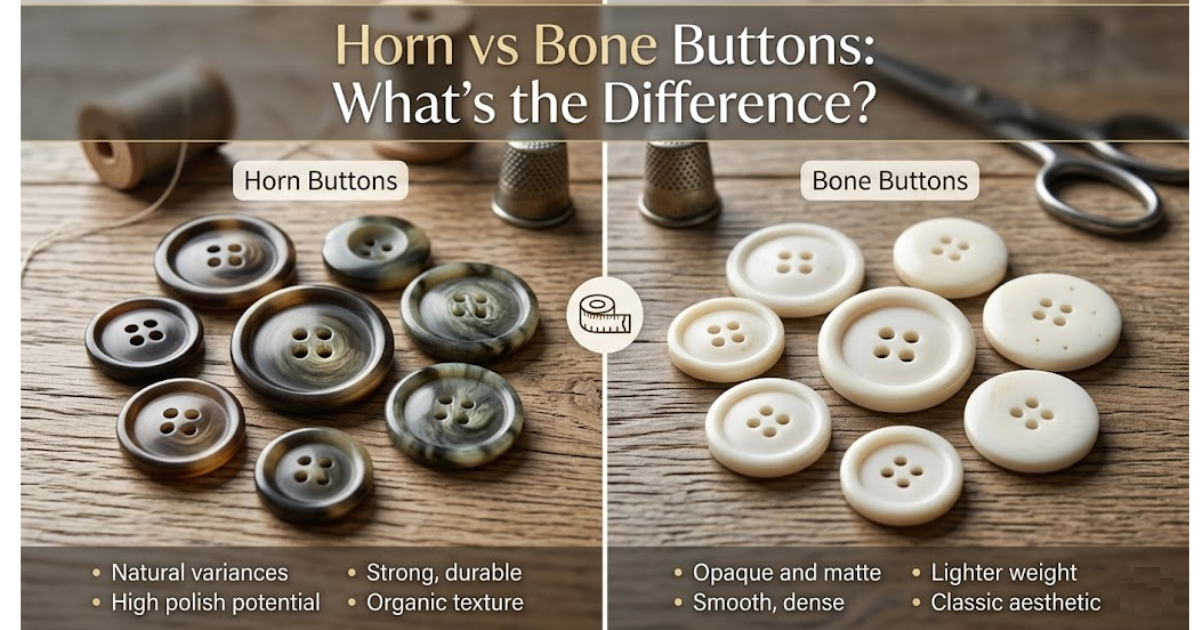
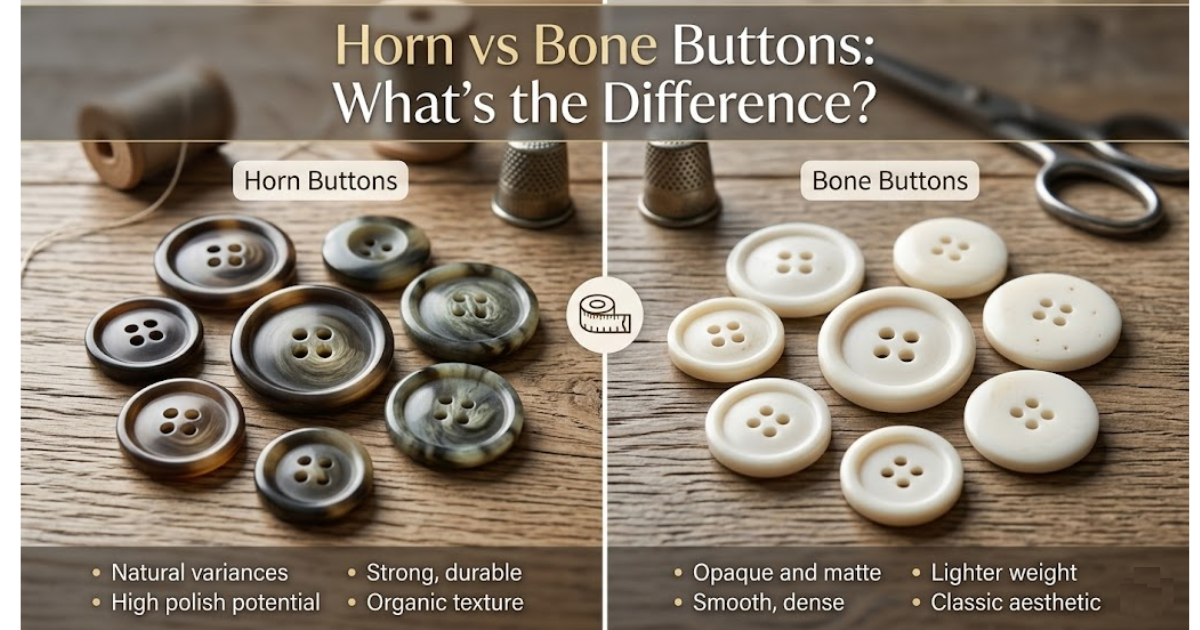
Horn and bone both come from the water buffalo, both end up on premium garments, and both get called "natural buttons" on spec sheets. That's roughly where the similarities end. The two materials behave differently on a lathe, take dye differently, handle impact differently, and suit completely different garment types.
Chetna International started as a horn and bone button exporter in 1984. That's where the family business began. We've been cutting, turning, and finishing both materials for over 40 years, and the question we hear most from designers and sourcing teams is the same one you're probably asking: which one should I be using?
The answer depends on what you're making. Here's the honest comparison.
Horn buttons are made from the horns of water buffalo (and occasionally ox horn). The material is keratin, the same structural protein found in human fingernails and hair. It's a natural thermoplastic, which means it can be softened with heat and reformed, a property that's essential to the manufacturing process.
Horn is sourced as a byproduct of the food and dairy industry. No animals are raised or killed specifically for button production. The horn tips arrive at our natural materials factory as raw, curved pieces that need to be heat-treated and flattened before any button work can begin.
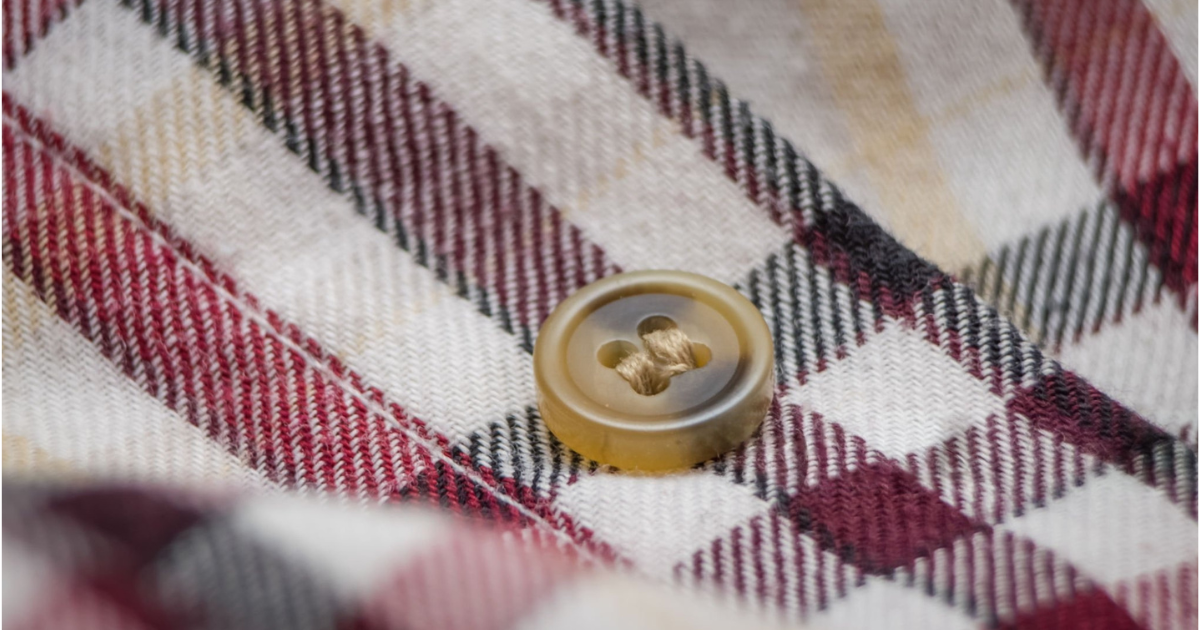
What makes horn distinctive is its natural translucency. Hold a finished horn button up to a light source and you'll see color gradations moving through the material. Warm ambers blending into dark browns. Streaky blonde sections cutting through black. That depth is something no synthetic imitation fully captures, though our imitation horn polyester gets remarkably close for buyers who need consistency at scale.
Bone buttons are made from water buffalo leg bones, also a byproduct of the food industry. The material composition is fundamentally different from horn. Bone is primarily calcium phosphate and collagen, making it a rigid, mineralised structure rather than a flexible protein.
At our factory, raw bone goes through a degreasing and sanitisation process before any cutting happens. This step removes residual fat content, which is critical. Skip it or cut it short and the finished buttons will yellow unevenly, develop odour over time, or resist polish. We treat our bone to achieve a clean, uniform off-white starting point.
The visual signature of bone is its surface texture. Under a loupe, you can see the Haversian canal system, tiny channels that once carried blood vessels through the living bone. These create subtle flecks and striations across the button surface. It's a pattern that's impossible to fake convincingly, which is one way to verify you're looking at genuine bone rather than a resin imitation.
Both materials are processed in our natural button factory using similar equipment, but they behave very differently on the machines. Understanding why helps explain the cost and lead time differences between horn and bone orders.
Raw horn arrives curved. You can't punch a flat button blank from a curved piece of material. So the first step is heat treatment, softening the keratin until it becomes pliable enough to press flat between heated plates. This flattening stage is where experience matters most. Too much heat degrades the keratin structure and creates a chalky, brittle result. Not enough and the horn springs back to its original curve after cooling.
Once flat, the sheets are blanked into rough discs, then moved to turning where each blank is shaped on a lathe. Horn requires slower lathe speeds than bone. Push the RPM too high and the material chips rather than cuts cleanly. The fibrous keratin grain demands sharp HSS tooling and a patient approach.
Bone doesn't need flattening because the leg bones used for buttons are naturally straight. After degreasing, the bone is sawn into flat slabs of working thickness. These slabs are then blanked and turned using the same basic machinery as horn, but with different cutting speeds.
Bone is harder than horn on the Mohs scale. It cuts cleanly at higher speeds but doesn't tolerate the same finishing flexibility. Where horn can be gently reshaped after turning with localised heat (useful for adjusting rim profiles), bone is rigid. What comes off the lathe is what you get.
Both materials then move through polishing, where the surface sheen is developed. Horn polishes to a warmer, deeper glow. Bone polishes to a clean, slightly matte finish that some buyers prefer to enhance further with a clear spray coat.
This is where the two materials diverge most sharply, and it's the factor that drives most sourcing decisions in practice.
Horn comes in a wide natural color range, from near-black through dark brown, warm amber, streaky blonde, and mottled combinations. The exact color depends on the individual animal, and that means natural variation is a given. No two horn buttons are identical in pattern or color.
Horn can be dyed, but its natural colors are already so rich that most buyers use them as-is. Dark dyes (black, deep brown, navy) work reasonably well. Bright colors don't. The keratin structure absorbs pigment unevenly, and the natural base color always shows through. If you need a cherry red button, horn isn't the right material.
Dyeing horn is more about deepening and evening out its natural tones than transforming them. A dye bath can push a medium brown horn into a richer, darker shade. It won't turn it blue.
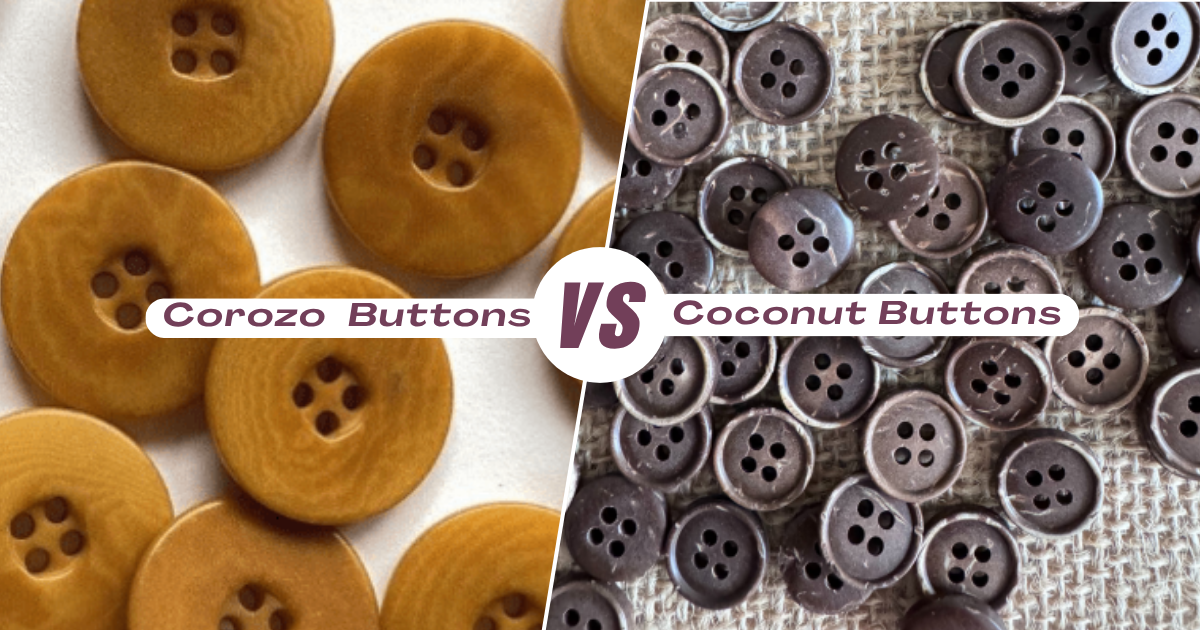
Bone's natural color sits in a tight band from off-white to warm cream. That's it. And unlike corozo, which absorbs dye beautifully because of its porous cellulose structure, bone resists deep dye penetration.
You can dye bone buttons, but the results are uneven. The Haversian canal structure absorbs dye at different rates than the surrounding mineralised tissue, creating a speckled or blotchy appearance. Some designers use this deliberately for a vintage or artisanal effect. Most commercial applications avoid it.
In practice, bone buttons are used in their natural off-white state or with a light surface treatment. If your design requires color variety, bone isn't the material to build around.
Both materials are genuinely durable. They've survived centuries on garments before plastics existed. But they handle stress differently.
Keratin has natural flex. A horn button can absorb impact without cracking because the material gives slightly under stress, then returns to shape. This makes horn excellent for outerwear that gets knocked around, snagged, or bent during wear. It's also why horn has been the default material for suit and blazer buttons in traditional tailoring for generations.
The trade-off is heat sensitivity. High-temperature pressing during garment manufacturing or aggressive steam finishing can soften horn buttons, potentially causing distortion. We recommend pressing at moderate heat and keeping the iron off the buttons directly.
Bone is actually harder than horn. In terms of scratch resistance, it's comparable to mother-of-pearl. But hardness comes with brittleness. Drop a bone button onto a hard floor from table height and there's a real chance it cracks. Subject it to a sharp lateral impact and it'll chip.
For garments that live in controlled environments (tailored jackets that hang in wardrobes, heritage-style pieces that aren't subjected to heavy wear), bone is perfectly durable. For workwear or outerwear that takes a beating, horn is the safer choice.
Bone handles heat slightly better than horn, though. It won't soften under a hot iron the way keratin can. For garment finishing, that's a practical advantage.
Both horn and bone are byproducts of existing food industries. Neither material requires animals to be raised for button production. From a sustainability standpoint, using them for buttons diverts waste from landfill and adds economic value to material that would otherwise be discarded.
That's a strong ethical position, and it's worth communicating clearly to end consumers who might have initial concerns about animal-derived materials. The supply chain is transparent. Our horn and bone are sourced ethically in compliance with animal protection laws, and both materials are natural and biodegradable.
The environmental comparison between horn and bone is essentially neutral. Neither has a significantly larger footprint than the other. Both biodegrade, though slowly. And neither contributes to microplastic pollution, which gives them a real advantage over synthetic alternatives.
Horn is more expensive than bone. Three factors drive the price difference.
Raw material yield. Horn tips produce less usable material per piece than leg bones. The curved shape means more waste during flattening and blanking. Bone slabs yield more blanks per kilogram of raw material.
Processing complexity. Horn requires heat treatment and flattening before blanking, an entire extra production stage. Bone goes straight from slab cutting to blanking.
Color demand. Light-colored horn (blonde, amber) is rarer than dark horn and commands a premium. With bone, the natural color is consistent and doesn't vary enough to create pricing tiers.
For wholesale orders, expect bone buttons to come in at a meaningfully lower price point than equivalent horn buttons. The exact difference depends on size, finish, and order volume, but the gap is consistent.
Both materials are available year-round. Supply isn't seasonal the way corozo can be, since the raw material comes from a continuous food industry stream. Lead times are comparable.
Horn is the right call for garments where the button is a visible design element and the material story matters. Tailored blazers and suit jackets are the classic use case. The natural translucency, color variation, and warm patina of horn communicate quality in a way that reaches the end consumer, even if they can't articulate why.
Coats and heavy outerwear benefit from horn's flexibility under stress. Designer casualwear and premium denim use horn for elevated detailing. And any garment positioned as luxury or artisanal gets a boost from genuine horn buttons.
Bone works best when you want a natural material with a clean, understated look. Sport coats and casual blazers in light fabrics pair well with bone's off-white tone. Heritage and vintage-inspired lines use bone for authenticity, since bone buttons predate horn in fashion history.
Knitwear and cardigans are another strong fit. The lighter weight and neutral color of bone complement casual knit textures without competing visually. And for any garment where a bright white button would look too stark but a cream-toned natural material feels right, bone fills that gap.
If you've received buttons and aren't sure whether they're horn or bone, there are a few reliable ways to identify each.
Hold them to light. Horn transmits light. You'll see color and pattern through the material when backlit. Bone is fully opaque. No light passes through.
Check the surface grain. Horn shows long, fibrous streaks running in one direction. Bone shows a finer, flecked pattern with tiny pores visible under magnification.
Smell test during cutting. If you're in a position to file or sand the edge, horn smells like burnt hair (it's keratin). Bone smells mineral, almost chalky. This isn't practical for finished buttons but it's definitive for raw material verification.
Density and weight. Horn buttons feel slightly lighter than bone buttons of the same size. The difference is subtle but noticeable when comparing side by side.
We provide material verification certificates with all orders from our quality control team, so identification shouldn't be a guessing game for our customers.
Are horn buttons more durable than bone buttons?
Horn is more impact-resistant due to keratin's natural flexibility. Bone is harder and more scratch-resistant but cracks more easily under sharp impact. For outerwear, horn is safer. For low-impact garments, both perform well.
Can bone buttons be dyed to match a specific color?
Not reliably. Bone resists even dye penetration, creating a speckled effect rather than solid color. Most commercial applications use bone in its natural off-white to cream state.
Why are horn buttons more expensive than bone?
Lower raw material yield (curved horn wastes more during flattening), an extra heat-treatment production stage, and price premiums on lighter-colored horn all contribute to higher per-unit cost.
Are horn and bone buttons sustainable?
Yes. Both are byproducts of the food industry. No animals are raised for button production. Both materials are biodegradable and don't contribute to microplastic pollution.
What garments work best with bone buttons?
Sport coats, casual blazers, knitwear, cardigans, and heritage-inspired garments. Bone's clean off-white tone pairs well with natural fabrics and relaxed tailoring.
How can I tell if a button is genuine horn or bone?
Hold it to light. Horn is translucent; bone is opaque. Under magnification, horn shows fibrous keratin streaks. Bone shows the Haversian canal pattern with tiny pores and flecks.
We manufacture both materials daily and we wouldn't steer you toward one as universally better. They serve different purposes.
If the button is a design statement on a premium garment and you want natural color variation, depth, and warmth, horn is the material. If you need a clean, neutral natural button at a lower price point for casual or heritage-styled pieces, bone does the job well.
For brands building a sustainable fashion story, both materials carry strong environmental credentials. The choice comes down to aesthetics, garment type, and budget.
Want to see both materials in person before committing to a production run? Request samples from our team or browse our horn button and bone button ranges.


.svg)


.svg)

.jpg)




.jpg)

%20(1).jpg)

.jpg)




.jpg)


.jpg)


.jpg)
.jpg)


.jpg)

.jpg)


